
Hurricane Lowell Devastates Kauai, Highlighting El Niño’s Impact on Hawaii
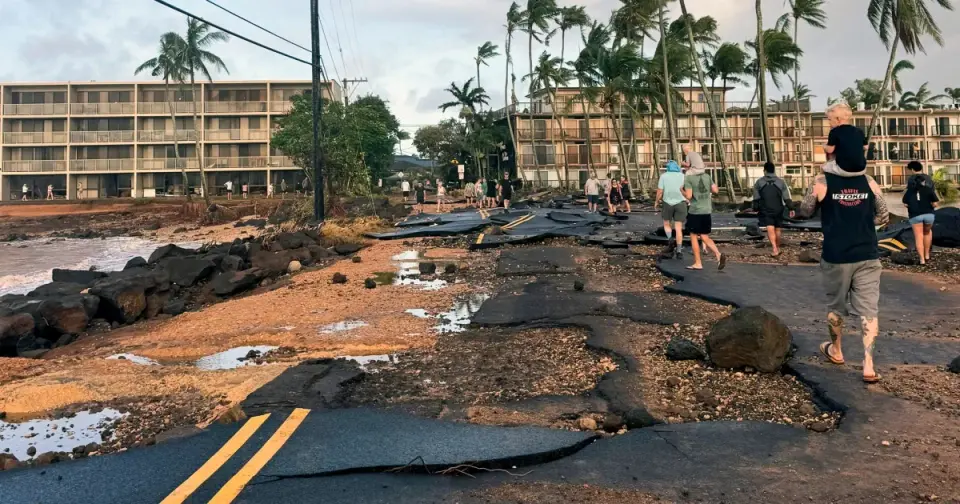
Hurricane Lowell struck Kauai as a Category 2 storm, causing severe coastal erosion, widespread power outages, and significant property damage. The event is part of an unusually active Pacific hurricane season driven by a strong El Nino, which has weakened the typical atmospheric barriers that protect Hawaii from such storms.
Key points
- Lowell hit Kauai with 110 mph winds, causing 80-90% of customers to lose power and leaving over 30,000 residents without electricity.
- The storm surge reached 30 feet, destroying oceanfront homes and businesses, particularly along the south shore from Baby Beach to Lawai Beach.
- Rainfall totals reached up to 21 inches in Kauai, while Oahu received nearly 10 inches, with one unconfirmed death reported on Oahu.
- The National Weather Service issued Hawaii's first-ever tornado watch during the storm's passage.
- El Nino is cited as the primary driver for the increased frequency and intensity of Pacific hurricanes affecting Hawaii in 2026.
Background
Hawaii has historically been spared from major hurricanes due to cooler ocean temperatures to the east and the Hawaiian High pressure system. However, 2026 has seen three significant storms: Hurricane Lala in August, Tropical Storm Moke in late August, and Hurricane Lowell in September. This follows a pattern of increased tropical cyclone activity in the Pacific during El Nino years, as noted by researchers at the University of Hawaii-Manoa.
How outlets are covering it
NBC News and the Honolulu Star-Advertiser emphasize the severe physical destruction on Kauai, particularly the lifting of homes off foundations and the 30-foot storm surge. The Conversation provides a scientific perspective, attributing the increased storm activity to El Nino and changes in atmospheric patterns that allow storms to track south of Hawaii before turning north. KSL.com offers a human interest perspective, detailing the panic buying and logistical challenges faced by residents and tourists as the storm approached.
Why it matters
The event underscores the changing climate dynamics in the Pacific, with El Nino potentially making Hawaii more vulnerable to hurricanes in the future. The extensive damage and power outages highlight the need for improved infrastructure resilience and disaster preparedness in the region.
What to watch
Recovery efforts are ongoing, with crews assessing damage and restoring power. Residual tropical moisture may bring additional precipitation and storms, potentially slowing cleanup efforts. The Pacific hurricane season continues through November, with the risk of further storms affecting the region.
- Hurricane Lowell leaves trail of destruction across Kauai NBC News
- Garden Isle residents stunned by extent of Lowell’s damage Honolulu Star-Advertiser
- Utah family details extreme weather, chaos witnessed during Hurricane Lowell KSL.com
- A second hurricane just sideswiped Hawaii – why the islands’ usual force field seems to be down in 2026 The Conversation
- ‘I was shaking’: West Kauai residents ride out Hurricane Lowell, assess damage Hawaii News Now
Want the full story? Read the original reporting
Read on NBC News