
Isaias lands in Florida as Category 2, triggering widespread outages and surge
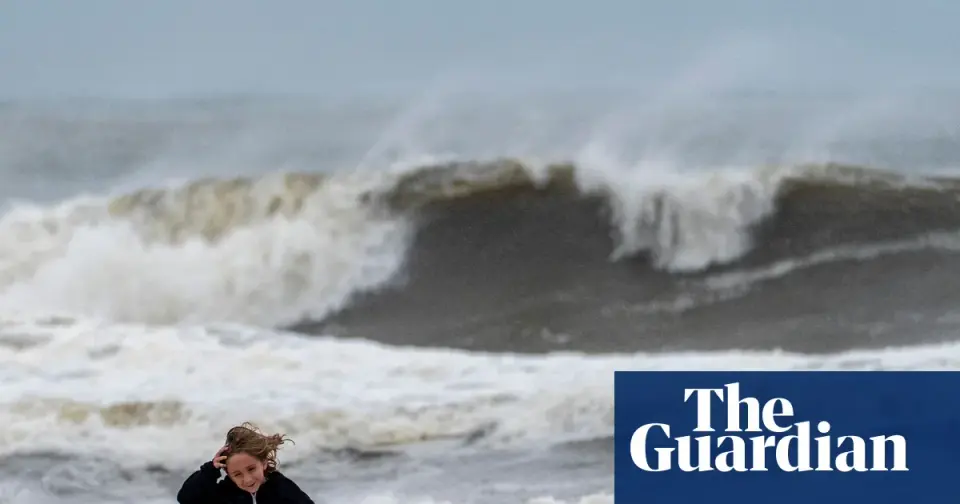
Hurricane Isaias made landfall near Destin, Florida, on Friday evening as a Category 2 storm with 105 mph winds. The first hurricane of the 2026 Atlantic season brought life-threatening storm surges, heavy rain, and flooding to the Gulf Coast. Nearly 500,000 customers lost power across Alabama and Florida, while officials in Florida, Alabama, and Georgia declared states of emergency. The storm is expected to move inland toward the Tennessee Valley, posing risks of flash floods and tornadoes through the weekend.
Key points
- Isaias struck near Destin, Florida, with maximum sustained winds of 105 mph, weakening from a peak Category 3 status earlier in the day.
- Storm surge reached 5.4 to 5.6 feet above average in Panama City Beach, with warnings of up to 7 feet along the Alabama-Florida line.
- Nearly 500,000 customers lost power across Alabama and Florida, with the Florida National Guard deploying 5,000 personnel to assist.
- Governors of Florida, Alabama, and Georgia declared states of emergency, with Florida’s governor urging residents to stay off the roads due to flash flooding.
- The storm is forecast to cross Alabama and enter the Tennessee Valley, bringing heavy rain and potential tornadoes to Georgia and North Carolina through the weekend.
Background
Isaias is the first hurricane of the 2026 Atlantic season, arriving later than typical due to El Niño conditions. It is one of the two latest-forming Atlantic hurricanes on record, tying a 1905 benchmark. Prior to Isaias, no named storms in the 2026 season had intensified beyond tropical storm status. The storm’s late formation and rapid intensification prompted significant evacuations and infrastructure shutdowns in the Gulf Coast region.
How outlets are covering it
The Guardian and AP emphasized the immediate impact of Isaias, highlighting life-threatening storm surges, power outages, and the storm’s weakening from Category 3 to Category 2 upon landfall. NBC 6 South Florida focused on local impacts in the Florida Panhandle, noting that Pensacola missed the worst-case scenario due to the storm’s path, while Destin faced more severe winds. FOX 5 Atlanta highlighted Georgia’s preparation for heavy rain and flash flooding, with Governor Brian Kemp declaring a state of emergency for all 159 counties. The AP also noted potential fuel price increases if Gulf refineries are disrupted, while NBC 6 reported on the closure of Waffle Houses as a sign of the storm’s severity. All sources agreed on the storm’s landfall location and intensity but differed in emphasis on regional impacts and economic consequences.
Why it matters
Isaias’s landfall underscores the risks of late-season hurricanes and the importance of preparedness in the Gulf Coast region. The storm’s impact on power grids, infrastructure, and local economies highlights the vulnerability of coastal communities to extreme weather events. The late formation of Isaias also raises questions about climate change’s role in altering hurricane patterns and timing.
What to watch
Isaias is expected to continue moving inland, bringing heavy rain and potential tornadoes to Georgia and North Carolina through the weekend. Forecasters warn of flash flooding in the Tennessee Valley and along the storm’s path. Officials are monitoring the storm’s impact on power grids and infrastructure, with recovery efforts underway in affected areas. The National Hurricane Center will continue to issue updates on the storm’s trajectory and potential hazards.
- Hurricane Isaias makes landfall in Florida with severe effects expected across several states The Guardian
- Hurricane Isaias makes landfall along Gulf Coast as powerful storm NBC 6 South Florida
- Hurricane Isaias: Latest updates, alerts, cancellations and more FOX 5 Atlanta
- Hurricane Isaias makes landfall, hammering US Gulf Coast with powerful winds and dangerous flooding AP News
- Metro Atlanta braces for impact of Isaias with potential threat of flooding Yahoo
Want the full story? Read the original reporting
Read on The Guardian