
Ross Fire in North Texas reaches 90,000 acres, ranks as second-largest in region
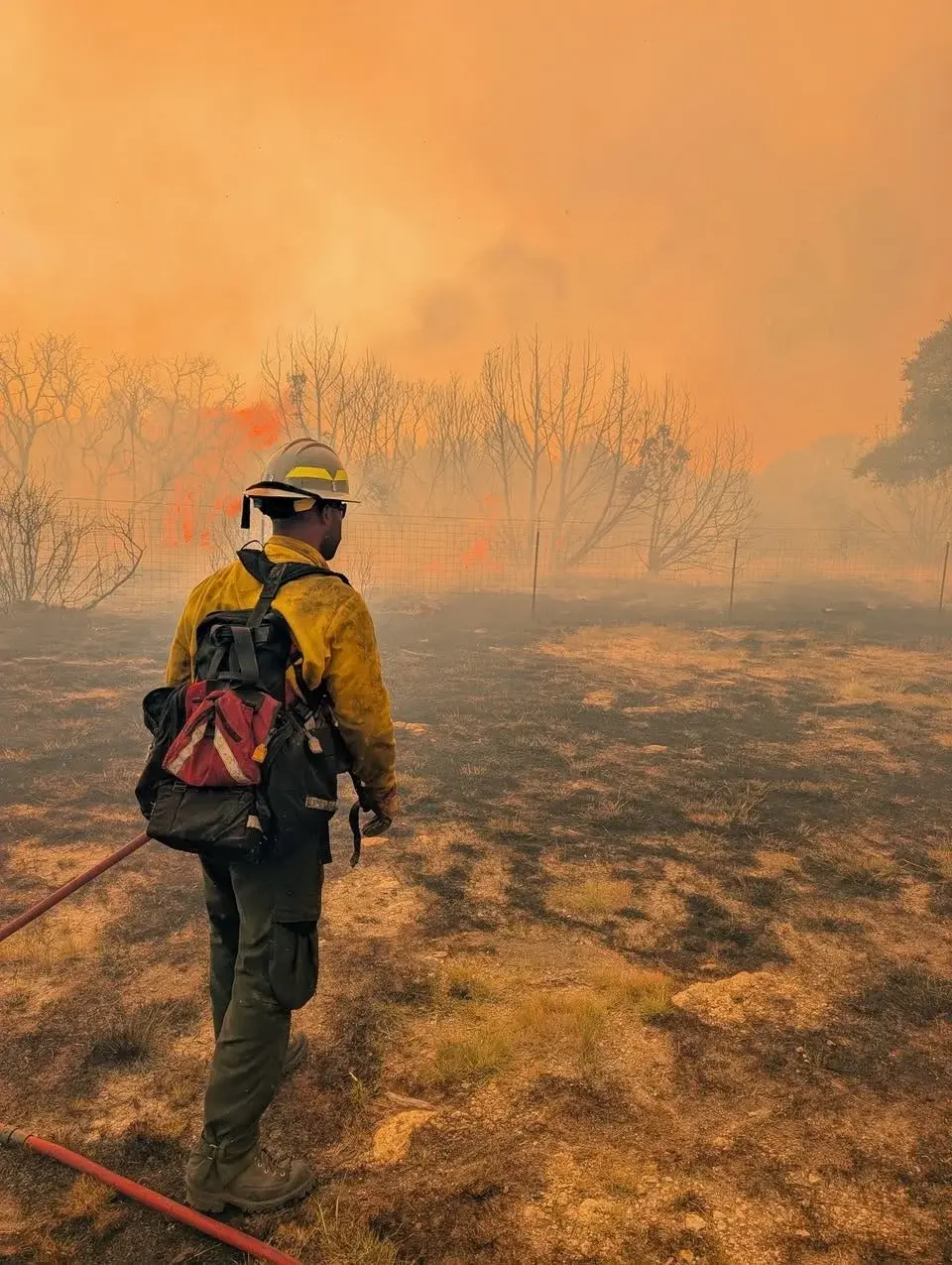
The Ross Fire in North Texas has expanded to over 90,000 acres, making it the second-largest wildfire in the Dallas-Fort Worth area's history. The blaze, which started on August 24, 2026, remains active with 31% containment as of September 1. It has prompted evacuations, road closures, and damage to structures, including the historic Worth Ranch scouting camp. Smoke from the fire has degraded air quality across the region, and federal assistance has been approved to support the response.
Key points
- The Ross Fire has burned more than 90,000 acres in Palo Pinto and Jack counties, with 31% containment as of September 1, 2026.
- The fire started on August 24 near Highway 180 in Palo Pinto County, about 80 miles west of Fort Worth.
- The Texas A&M Forest Service reported 80 active fires across Texas, burning over 90,700 acres, with the Ross Fire being the largest.
- No injuries have been reported, but structures including the 800-acre Worth Ranch scouting camp have been damaged.
- Smoke from the fire has affected air quality in North Texas, prompting health advisories for vulnerable populations.
- Gov. Greg Abbott announced a FEMA Fire Management Assistance Grant to reimburse firefighting costs.
Background
The Ross Fire began on August 24, 2026, and grew rapidly due to hot, dry conditions and abundant grass and brush. By August 26, it had exceeded 50,000 acres with only 8% containment, leading to mandatory evacuations in Jack County and advisories in Palo Pinto County. By August 28, it had reached approximately 85,000 acres with 21% containment. The fire is now the second-largest in the Dallas-Fort Worth area's history, behind the Possum Kingdom Complex Fire of 2011, which burned 126,734 acres.
How outlets are covering it
USA TODAY Network and Yahoo News Canada report the fire has reached 90,000 acres with 31% containment as of September 1. The Texas Tribune reported 85,000 acres with 21% containment as of August 27, noting the fire's rapid growth and extreme behavior, including trees torching in groups. CBS7 highlights the deployment of Midland County Fire Marshal Justin Bunch to support logistics and damage assessments, emphasizing the multi-agency response. All sources agree on the fire's scale and impact but differ in containment percentages and acreage due to the timing of their reports.
Why it matters
The Ross Fire's rapid growth and significant acreage highlight the increasing risks of wildfires in Texas due to drought and extreme heat. The fire's impact on air quality, structures, and communities underscores the need for robust emergency response and federal support. The deployment of resources from outside Texas and the approval of FEMA assistance indicate the severity of the situation and the broader implications for regional safety and recovery efforts.
What to watch
Firefighters will continue to work on strengthening containment lines and protecting communities as conditions remain challenging. Damage assessments will be conducted once the fire is declared safe, providing state and federal officials with preliminary information for recovery efforts. Residents in affected areas are advised to remain vigilant and prepared to leave quickly if conditions change. Smoke and air quality issues may persist, requiring continued health advisories for vulnerable populations.
- Ross Fire grows to 90,000 acres. See wildfire tracker and smoke map Yahoo News Canada
- 'It is devastating': More than 100 livestock believed killed in massive Ross Fire WFAA
- Ross Fire has burned in North Texas for three days The Texas Tribune
- Midland County fire marshal deployed to Ross Fire CBS7
- Texas Fire Map: Current wildfires burning around San Antonio and the Hill Country San Antonio Express-News
Want the full story? Read the original reporting
Read on Yahoo News Canada