
G20 Summit in Asheville Fractures as U.S. Invites Russia Amid Ongoing Iran War
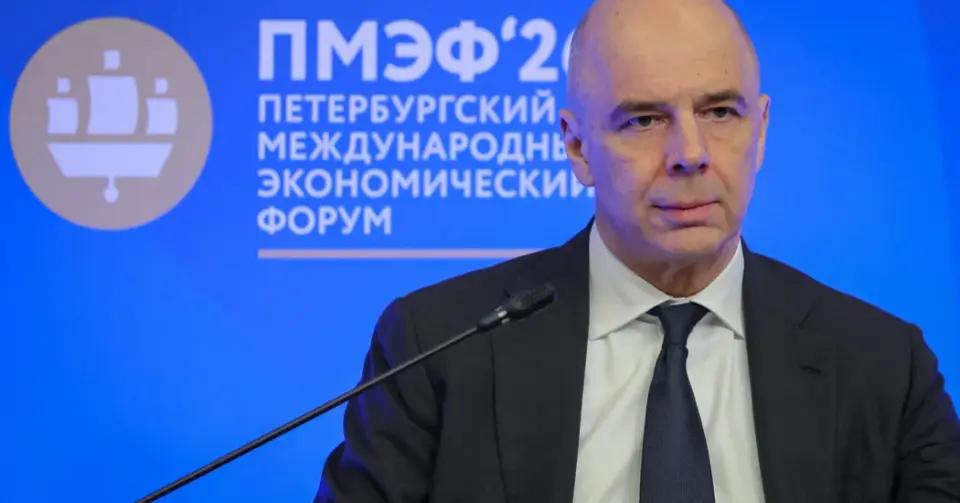
The G20 finance ministers’ meeting in Asheville, North Carolina, opened with diplomatic friction after the U.S. invited Russia’s finance minister, Anton Siluanov, marking his first in-person attendance since the 2022 invasion of Ukraine. European leaders, led by German Vice Chancellor Lars Klingbeil, protested the move, demanding Siluanov be excluded from the official group photo. Simultaneously, the U.S. and Iran exchanged fire for the first time in a month, targeting Larak Island and bases in Jordan and the UAE, signaling that the conflict remains unresolved despite previous ceasefires. The summit also addressed rising global inflation, U.S. debt exceeding $40 trillion, and efforts to isolate Iran economically through new sanctions.
Key points
- U.S. Treasury Secretary Scott Bessent invited Russian Finance Minister Anton Siluanov to the G20 meeting in Asheville, his first physical appearance since 2022, causing immediate backlash from European allies.
- German Vice Chancellor Lars Klingbeil scolded Siluanov for the invasion of Ukraine and threatened to boycott the group photo if Siluanov was included; the photo was eventually taken without him.
- The U.S. and Iran exchanged attacks for the first time in a month, with U.S. forces striking Iranian troops on Larak Island and Iran retaliating against bases in Jordan and the UAE.
- The conflict has persisted for over six months, with the Strait of Hormuz remaining a focal point of tension, leading to higher energy prices and disrupted global supply chains.
- The IMF projects global growth will slow and inflation will rise, with U.S. national debt surpassing $40 trillion, prompting discussions on global economic imbalances and sovereign debt.
- The U.S. administration is pushing for 'Operation Economic Outcast' to strangle Iran’s economy through sanctions, warning that countries maintaining ties with Iran may face U.S. penalties.
Background
The G20 summit in Asheville follows a period of heightened tensions between the U.S. and its allies, including previous disputes over press access and media coverage. The U.S.-Iran conflict, which began in late February 2026, has seen intermittent escalations and ceasefires, with the most recent calm lasting only a month before the latest exchange of fire. The U.S. has also faced criticism for its trade policies and tariffs, which have unsettled global markets and strained relations with European partners.
How outlets are covering it
The New York Times emphasizes the diplomatic fallout from the U.S. invitation of Russia’s finance minister, highlighting European outrage and the broader context of the U.S.-Iran war. The New Republic focuses on the backlash from European allies, noting that the invitation was not announced in advance and that Trump has previously advocated for Russia’s inclusion in Western alliances. Both sources agree on the significance of the U.S.-Iran exchange of fire, but the New York Times provides more detail on the military and economic implications, while The New Republic stresses the political implications for U.S.-European relations.
Why it matters
The G20 summit’s fracturing over Russia’s attendance and the ongoing U.S.-Iran conflict highlight the fragility of global economic cooperation. The U.S. decision to invite Russia despite European objections risks deepening divisions among allies and undermining efforts to isolate Moscow. Meanwhile, the resumption of hostilities with Iran threatens to further disrupt global energy markets and supply chains, exacerbating inflation and economic instability. The summit’s focus on global growth and debt management is complicated by these geopolitical tensions, which may hinder international cooperation on economic issues.
What to watch
The U.S. and Iran may continue to exchange attacks, with the Strait of Hormuz remaining a critical flashpoint. The U.S. administration is expected to push for stronger sanctions against Iran, potentially leading to further economic isolation. European leaders may continue to press for a more unified stance on Russia, while the U.S. may face pressure to address concerns about its trade policies and their impact on global markets. The IMF and other international bodies will likely monitor the effects of these developments on global growth and inflation.
- Trump Live Updates: G20 Summit Begins; U.S. and Iran Exchange Attacks as War Continues nytimes.com
- Russia Joins G20 Summit After Trump Invite—Sparking Massive Backlash The New Republic
- Bessent Meets With Russia Finance Chief at G20 Gathering Bloomberg.com
- US Treasury chief reportedly meets Russian counterpart to push Trump peace plan kyivindependent.com
- German minister says there is no return to normality with Russia Reuters
Want the full story? Read the original reporting
Read on nytimes.com