
Gulf and Iran to negotiate Hormuz reopening without US participation
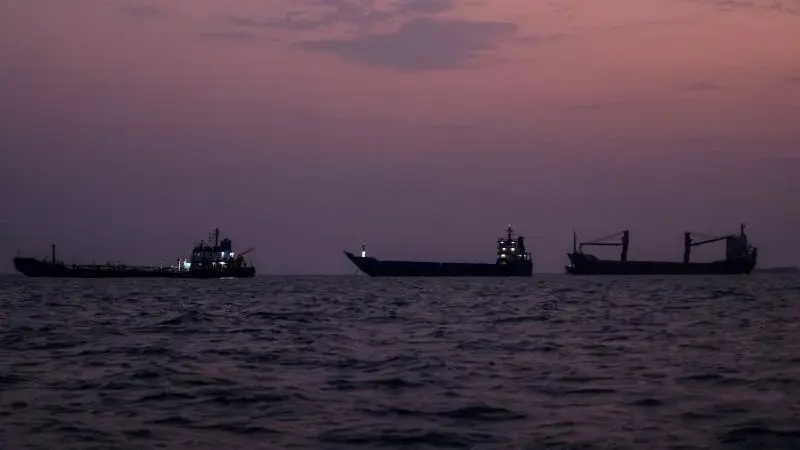
Iranian and Gulf Cooperation Council diplomats are set to meet on Monday to discuss an Omani-led framework for reopening the Strait of Hormuz, excluding the United States. The talks aim to establish navigational routes and potentially voluntary fees for passage, a move that contradicts Washington's current stance. While the US maintains military escorts for tankers, regional actors are pursuing a diplomatic solution to stabilize energy flows and potentially pave the way for future nuclear negotiations.
Key points
- Iran and Gulf Cooperation Council nations will hold talks on Monday to discuss an Omani proposal for reopening the Strait of Hormuz, notably excluding the United States.
- The proposed framework includes voluntary payments for navigational safety and environmental protection, a shift from previous US and regional opposition to any new fees benefiting Iran.
- US officials have stated they will only engage in negotiations regarding Iran's nuclear program, not the strait's status, despite privately reviewing the Omani plans.
- The US Navy is currently escorting up to 40 commercial vessels daily through the strait, but questions remain about the sustainability of this military commitment.
- Regional sources suggest that resolving the strait issue is a prerequisite for Iran to engage in nuclear negotiations with the US.
Background
This development follows months of stalled nuclear talks and a broader US-Israel conflict that has kept the Strait of Hormuz largely closed to commercial traffic. Previous reports indicated that Iran demanded significant concessions, including lifting the naval blockade and reparations, before reopening the waterway. The US had previously considered ending the war without a nuclear deal if the strait reopened, but Iran's hardening stance complicated these exit strategies. The current meeting represents a shift toward a regional-led diplomatic effort to address the immediate shipping crisis, separate from the broader nuclear dispute.
Why it matters
The Strait of Hormuz is a critical global energy chokepoint; its closure has driven up energy prices and disrupted supply chains. A regional-led reopening could stabilize markets and reduce reliance on costly US military escorts. Furthermore, progress on the strait may unlock stalled nuclear negotiations, potentially leading to a broader de-escalation of the ongoing conflict in the Middle East.
What to watch
The outcome of the Monday meeting will determine if a legal framework for voluntary fees and navigational routes can be agreed upon. Success in this regional track could pressure the US to re-engage in broader negotiations, while failure may prolong the reliance on US military escorts and keep global energy markets volatile.
- Iran meeting with Gulf countries to discuss Strait of Hormuz deal without the US CNN
- Iran Will Meet With Gulf Arab States as Mideast Conflict Widens nytimes.com
- Iran-Oman understanding does not provide for immediate reopening of Strait of Hormuz, Tasnim reports Reuters
- Oil prices dive on signs of Hormuz diplomacy while Saudi Arabia is left hanging in fight vs. Houthis Fortune
- UAE, Iran Leaders Meet as Push to Resolve Hormuz Standoff Grows Bloomberg.com
Want the full story? Read the original reporting
Read on CNN