
US Strikes Iranian Tankers as Gulf Allies Face Fresh Iranian Retaliation
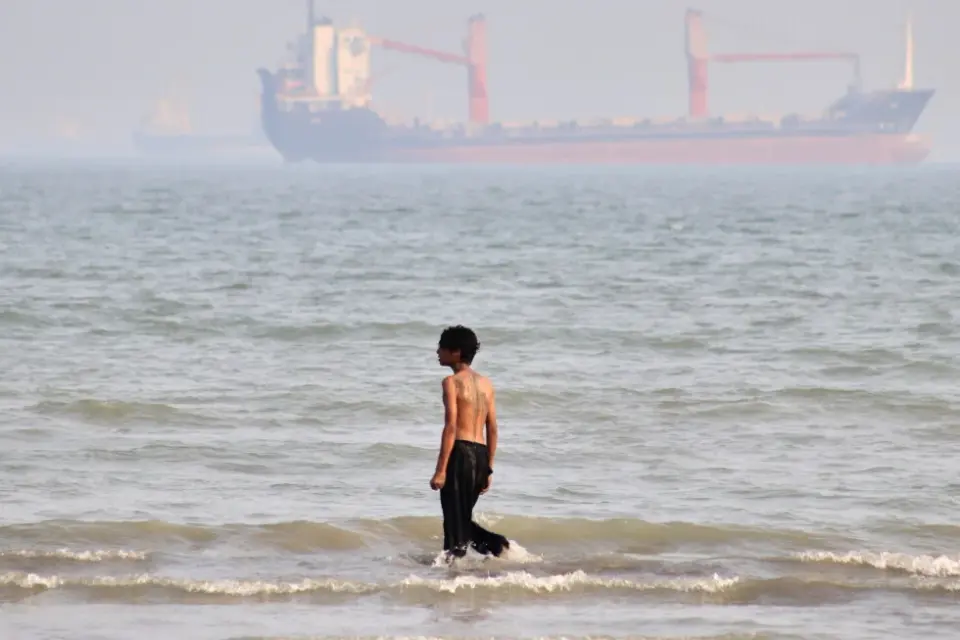
The US launched its first direct strikes on Iranian government tankers in retaliation for attacks on the Strait of Hormuz, marking a shift to a 'tanker for tanker' policy. Simultaneously, Iran targeted US allies in Bahrain, Kuwait, and the UAE, while the US claimed to have intercepted Iranian missiles and drones. Brent crude oil prices surged above $95, and the US maintains control over the strait despite Iran's efforts to disrupt shipping.
Key points
- US forces struck two Iranian government tankers anchored off the coast, targeting their engine rooms with drone-launched missiles.
- Iran retaliated by firing ballistic missiles and drones at US bases in Bahrain, Kuwait, Jordan, and Iraq's Kurdistan region.
- US Central Command reported that most Iranian projectiles were intercepted, with no casualties reported at US bases.
- Brent crude oil prices climbed above $95, up 30% from the start of the conflict, as the Strait of Hormuz remains largely shut down.
- Iran's security chief warned of a 'new strategy' to counter the US economic blockade and military pressure.
Background
The current escalation follows a fragile ceasefire that collapsed after attacks on commercial ships in the Strait of Hormuz. The conflict began on February 28 with US-Israeli attacks on Iran, which killed Supreme Leader Ayatollah Ali Khamenei. Previous tensions saw Gulf states like Bahrain and Kuwait conduct airstrikes against Iran in July, and the USS Abraham Lincoln faced a record-long deployment due to Iranian attacks on US naval facilities.
How outlets are covering it
AP News and Axios emphasize the US military's new 'tanker for tanker' policy and the successful interception of Iranian attacks, framing the strikes as a deterrent measure. Al Jazeera highlights the political dimension, noting that Trump aides want to keep the war quiet until November's congressional elections, while also reporting on China's call for Middle East countries to reject external influence. France 24 focuses on the humanitarian impact, detailing a US strike on a wedding in Sirik that killed four people, including a child, which Iran condemned as a war crime. US officials dismissed the civilian casualty reports, stating they never target civilians.
Why it matters
The strikes signal a potential escalation in the US-Iran conflict, with the US directly targeting Iranian economic assets to pressure Tehran. The disruption of the Strait of Hormuz, through which one-fifth of the world's traded oil flows, has significant global economic implications, driving up oil prices and threatening energy security. The involvement of Gulf states and the risk of further retaliation could widen the conflict, impacting regional stability and international shipping routes.
What to watch
The US is expected to continue economic pressure on Iran, with Secretary of State Marco Rubio warning that countries helping Tehran generate funds will face sanctions. Iran has warned of a 'new strategy' to counter the US blockade, and the conflict may remain quiet until November's US congressional elections, according to Al Jazeera. The US maintains control over the Strait of Hormuz, but Iran continues to attack vessels and rebuild radar systems, leading to ongoing tensions.
- Iran fires on Gulf neighbors despite Trump’s threats to escalate US attacks AP News
- Iran retaliates after US strikes, defying Trump’s warning it could be hit ‘much harder’ CNN
- Iran war live: Tehran claims attacks on US bases in Bahrain, Jordan, Iraq Al Jazeera
- Iran attacks US sites after American strikes, wedding deaths France 24
- U.S. strikes Iran tankers under new "tanker for tanker" policy Axios
Want the full story? Read the original reporting
Read on AP News