
Iran Escalates Drone Strikes on Bahrain as Trump Rejects Nuclear Deal
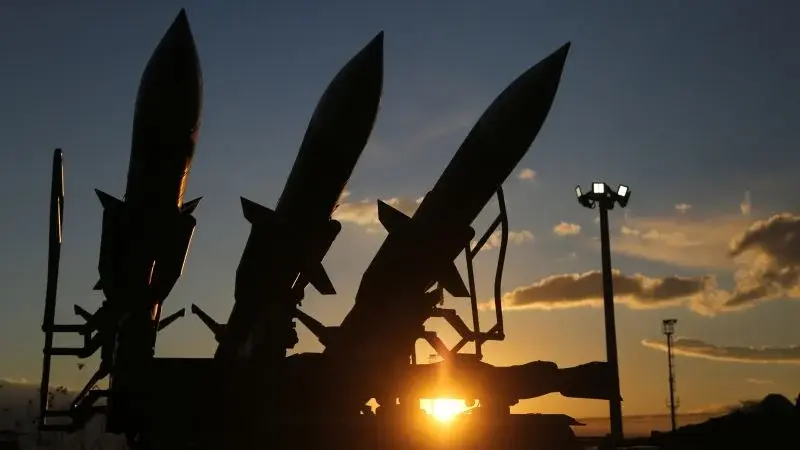
Iran has resumed drone attacks on US military facilities in Bahrain, marking a sharp escalation in the nine-month regional conflict. While Tehran claims to have damaged US radar systems, Washington insists all drones were intercepted without injury. President Trump has abandoned diplomatic efforts, opting for an economic blockade, while Iran faces deepening internal economic strain and refuses to negotiate on nuclear issues.
Key points
- Iran launched two drone attacks on Bahrain in three days, targeting US military bases; the IRGC claims damage to radar systems, but US Central Command states all drones were shot down with no injuries.
- President Trump canceled negotiations with Iran, directing Vice President JD Vance to focus on domestic issues, and stated the US does not need a deal with Tehran.
- Iran’s economy is under severe pressure from US sanctions and a naval blockade, with fuel shortages causing protests in cities like Bandar Abbas.
- The IAEA reports it is 'increasingly concerned' about Iran’s refusal to allow inspections at the underground Isfahan Fuel Enrichment Plant, citing 'acts of aggression.'
- Gulf Cooperation Council states have condemned the attacks and established a unified military command in Kuwait to safeguard sovereignty.
Background
The current conflict follows a preliminary agreement in June 2026 to end hostilities, which collapsed within weeks as Iranian attacks on shipping resumed and the US reinstated a naval blockade. The war began in February 2026 with joint US and Israeli strikes on Iranian nuclear sites, including Isfahan, leading to a prolonged standoff over the Strait of Hormuz.
How outlets are covering it
CNN and The Guardian emphasize the diplomatic impasse, noting that Iran’s aggressive posture coincides with Trump’s rejection of talks. CBS News highlights the economic dimension, citing Treasury Secretary Bessent’s aggressive stance and the IEA’s report that global oil supplies are finally surpassing demand. BBC focuses on the military specifics, detailing US strikes on Qeshm Island and Iran’s claims of shooting down US drones. While all sources agree on the resumption of violence, they differ on the efficacy of the US blockade; CBS notes oil market rebalancing, while CNN highlights Iran’s deepening internal hardship.
Why it matters
The resumption of attacks threatens to reignite a broader regional war, jeopardizing global oil supplies through the Strait of Hormuz. The collapse of diplomatic channels and the IAEA’s inability to verify Iran’s nuclear stockpile increase the risk of uncontrolled escalation, potentially impacting global energy markets and regional stability.
What to watch
Analysts expect an 'unstable limbo' as the US maintains its economic squeeze while Iran absorbs the costs. The IAEA will likely continue to press for access to the Isfahan facility, while Gulf states may further integrate their military commands. The outcome of the conflict hinges on whether Iran’s economic pain forces a compromise or if it leads to further retaliatory strikes against regional infrastructure.
- Iran raises stakes with new drone attacks as Trump signals a waiting game CNN
- Bahrain says it intercepted Iranian attacks after Tehran claims it targeted U.S. assets CBS News
- Iran launches drone attacks against US military base in Bahrain The Guardian
- Iran targets US military base in Bahrain with drone attack BBC
- Iran Targets Bahrain Again After Resuming Attacks on U.S. Ally WSJ
Want the full story? Read the original reporting
Read on CNN