
Iran strikes US radar in Bahrain as peace talks collapse
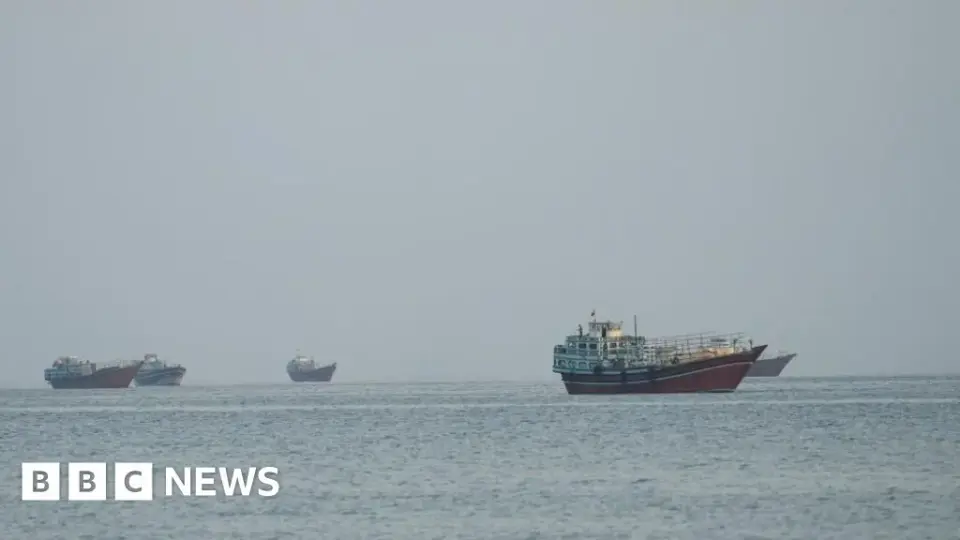
Iran's IRGC claims it launched six drones at a US radar system in Bahrain on Sunday, marking the second such incident in three days. US forces intercepted the drones, reporting no damage, while Tehran declares the Strait of Hormuz closed. Diplomatic efforts have stalled after President Trump dismissed the need for a deal, and regional allies have condemned the attacks.
Key points
- IRGC claims six drones targeted US radar at Al-Rifaa base in Bahrain on Sunday; US CENTCOM says two were shot down with no damage.
- Iran declares Strait of Hormuz closed, warning of harsher responses to US aggression.
- Saudi Arabia, Qatar, Jordan, and Egypt condemn the attacks, calling them violations of international law.
- Trump ordered VP Vance to abandon Iran negotiations, stating 'We don't need a deal.'
- Iranian FM Araghchi is set to meet Omani counterparts in Muscat to discuss mediation.
Background
This escalation follows a preliminary peace agreement in June that collapsed within weeks. The US has maintained a naval blockade and conducted limited strikes on Iranian sites, including Qeshm Island, in recent weeks. A previous major strike on a Bahrain naval base in March 2026 caused significant damage and evacuations. The current conflict has seen record shipping disruptions in the Strait of Hormuz, with October recording 37 vessel attacks.
How outlets are covering it
The IRGC asserts it destroyed a US early warning radar in retaliation for strikes on Iranian territory, declaring the Strait of Hormuz closed. US CENTCOM denies any damage, stating two drones were intercepted. Bahrain’s foreign ministry condemns the attacks as a violation of sovereignty and UN Security Council Resolution 2817. Gulf states like Saudi Arabia and Qatar describe the actions as dangerous escalations. Trump has dismissed the need for a deal, while Iran’s president urges ending the 'no war, no peace' stalemate. Analysts warn that sporadic exchanges risk miscalculation leading to broader conflict.
Why it matters
The strikes signal a breakdown in diplomatic efforts and a potential return to active hostilities. The closure of the Strait of Hormuz threatens global oil supplies, while the failure of negotiations increases the risk of a wider regional war involving US and Iranian proxies.
What to watch
Iranian Foreign Minister Araghchi is scheduled to meet Omani counterparts in Muscat on Tuesday. The US and Iran remain in a state of economic and military pressure, with no immediate signs of a new deal. Further attacks on shipping or military bases are possible as both sides escalate.
- Iran targets US military base in Bahrain with drone attack BBC
- Saudi Arabia, Qatar, Jordan, Egypt condemn Iranian attack on Bahrain - Middle East crisis live The Guardian
- Iran war live: Bahrain targeted as Gulf nations warned against US support Al Jazeera
- Iran Targets Bahrain Again After Resuming Attacks on U.S. Ally WSJ
- Iran targets US military site in Gulf for first time in two months as hopes for a deal fade CNN
Want the full story? Read the original reporting
Read on BBC