
US-Iran conflict escalates with Hormuz ship attacks and investigation into civilian wedding strike
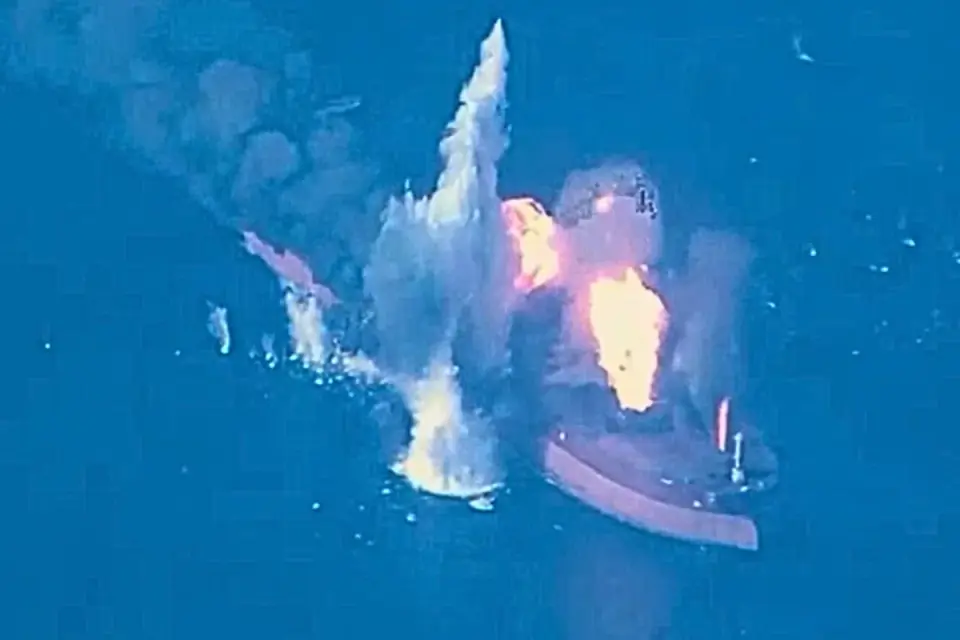
The US and Iran have entered a new phase of direct military confrontation, marked by US strikes on three Iranian oil tankers and Iranian retaliatory attacks on ships in the Strait of Hormuz. This escalation follows a week of heightened tensions, including Iranian missile attacks on US Navy vessels. Simultaneously, the Pentagon is investigating a deadly strike on a wedding venue in southern Iran, which officials believe was caused by a US weapon missing its intended target.
Key points
- US forces struck three Iranian oil tankers, destroying the Downy and Stark 1 near Kharg Island and Jask, and the Kylo near the Gulf of Oman, following Iranian ballistic missile attacks on two US Navy ships.
- Iran retaliated by attacking commercial ships in the Strait of Hormuz, a move condemned by Saudi Arabia, Kuwait, and Qatar as a violation of international maritime law.
- The Pentagon is investigating a US strike on a wedding celebration in the coastal town of Kuhestak, with officials indicating a bomb likely missed a nearby communications complex and hit the civilian building.
- US Central Command Admiral Brad Cooper warned that Washington will impose higher costs on Iran if it continues to threaten ships, while Iran has condemned the US strikes as illegal.
Background
This latest exchange follows a week of significant escalation in the Strait of Hormuz. On September 3, Iran attacked the Saudi tanker Sidr, killing two Filipino sailors, prompting condemnations from Gulf states. By September 5, tensions had already flared as the US struck Iranian oil tankers in response to Iranian warships targeting commercial vessels. The current developments represent a deepening of this conflict, moving from targeted naval engagements to broader strikes on infrastructure and civilian areas.
How outlets are covering it
The Independent and CNN emphasize the tit-for-tat nature of the military escalation, focusing on the US strikes on oil tankers and Iran's subsequent attacks on ships in the Strait of Hormuz. CNN specifically notes the US military's framing of the tanker strikes as retaliation for missile attacks. In contrast, The Washington Post highlights a different dimension of the conflict, focusing on the Pentagon's investigation into a deadly strike on a wedding venue in Kuhestak. While The Independent and CNN frame the situation as a strategic naval and economic confrontation, The Washington Post underscores the potential for civilian casualties and the accuracy of US weapons, noting that six weapons were dropped by Navy jets targeting a communications complex, with one missing its mark.
Why it matters
The escalation threatens to deepen a regional conflict with significant global implications. The Strait of Hormuz is a critical chokepoint for global oil trade, and attacks on tankers and ships disrupt energy supplies and increase shipping costs. The investigation into the wedding strike raises serious questions about the precision of US military operations and the potential for civilian casualties, which could further inflame regional tensions and complicate diplomatic efforts to de-escalate the conflict.
What to watch
The Pentagon's investigation into the wedding strike will likely determine whether further accountability or policy changes are required regarding US targeting protocols. Meanwhile, the US and Iran may continue to exchange strikes, with Admiral Cooper's warning suggesting a potential for increased US military action if Iran persists in threatening ships. Regional actors, including Saudi Arabia and Gulf states, will likely continue to urge de-escalation and monitor the impact on oil trade and maritime security in the Strait of Hormuz.
- Iran-US war latest: Tehran attacks ships in Strait of Hormuz after US strikes Iranian oil tankers The Independent
- US military strikes three Iranian tankers in retaliation for missile attacks CNN
- Iran, US Trade Tit-for-Tat Tanker Attacks as War Drags On Bloomberg.com
- Deadly Iran wedding strike likely due to U.S. bomb missing a nearby target The Washington Post
- U.S. Strikes Three Iranian Ships After Missiles Fired at American Aircraft Carrier WSJ
Want the full story? Read the original reporting
Read on The Independent