
Iran Threatens 'Earthquake' Retaliation as US Sanctions Fall Short of Expectations
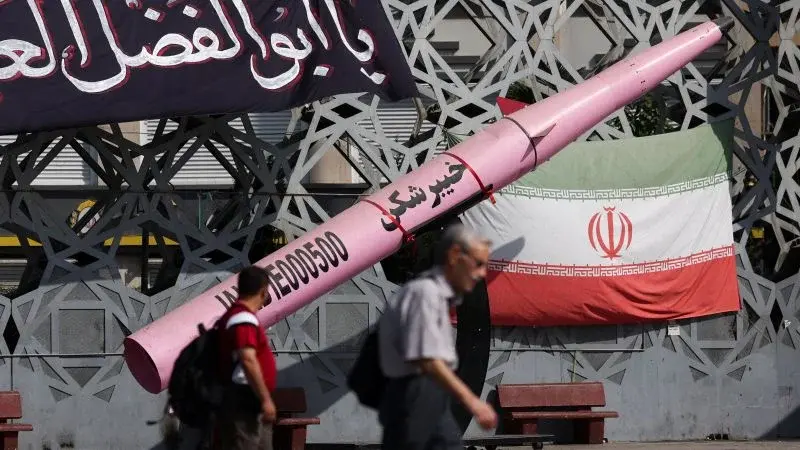
Treasury Secretary Scott Bessent unveiled new secondary sanctions targeting Iran’s trade partners in digital assets, technology, and shipping, a move labeled 'economic D-Day' by the White House. However, the measures focused on enforcing existing rules rather than imposing new penalties, leaving many observers underwhelmed. In response, Iran’s leadership has warned of an 'earthquake-like' retaliation, including blocking oil exports through the Strait of Hormuz, targeting European allies like Bulgaria, and potentially withdrawing from the Nuclear Non-Proliferation Treaty (NPT).
Key points
- US Treasury Secretary Scott Bessent announced expanded secondary sanctions targeting Iran’s economic network, focusing on enforcement rather than new penalties.
- Iran’s Supreme National Security Council leader Mohsen Rezaei warned that 'not a single drop of oil' would be exported if the economic war continues.
- Iran has published a list of 45 vessels it claims are violating its shipping protocols in the Strait of Hormuz.
- Iranian officials have threatened to target US refueling aircraft in Bulgaria, a NATO member, and are debating a bill to withdraw from the NPT.
- Approximately half a ton of highly enriched uranium remains buried in Iran, with US intelligence noting Tehran is sealing off the cache.
Background
This escalation follows a six-month US-Israeli war that has reached a stalemate. Previous tensions included Iran’s attacks on Gulf facilities in July 2026 and the US reimposition of a blockade on Hormuz shipping. The current sanctions push coincides with broader trade disputes, such as Canada’s recent retaliatory tariffs on US goods, highlighting a global shift in economic leverage.
How outlets are covering it
CNN reports that the US sanctions announcement was underwhelming because it relied on existing enforcement rather than new measures, while emphasizing Iran’s threats to disrupt global oil supplies and target NATO allies. The Washington Post, in an opinion piece by former diplomat Ludovic Hood, argues that Bessent’s strategy to financially strangle the regime is correct, suggesting that the collapse of the Iranian government is the best outcome for US interests. CNN highlights the risk of regional escalation, including potential strikes on European soil, whereas the Post focuses on the long-term viability of economic pressure as a tool for regime change.
Why it matters
The standoff risks a broader regional conflict, with Iran threatening to disrupt global oil supplies and target NATO members. The potential withdrawal from the NPT could trigger a nuclear arms race, while the economic sanctions may strain US alliances and global energy markets.
What to watch
Iran may implement its threatened oil blockade and target European allies if the US continues its economic pressure. The Iranian parliament is expected to vote on a bill to withdraw from the NPT, potentially accelerating efforts to develop nuclear weapons. Global oil prices may rise as Iran targets shipping routes and energy infrastructure.
- ‘We will retaliate like an earthquake:’ How Iran could respond to Trump’s economic ‘D-Day’ CNN
- What to Know About Bank Melli, Singled Out in U.S. Call for Economic War The New York Times
- The U.S. Is Trying to Strangle Iran’s Economy. Here’s How Tehran Is Surviving. WSJ
- Treasury's 'Economic D-Day' against Iran could force regime into situation it 'fears the most,' experts say Fox Business
- Opinion | I was a U.S. diplomat for 20 years. Now I see how the Iran war could be won. The Washington Post
Want the full story? Read the original reporting
Read on CNN