
Iran's Economy Contracts 10% as U.S. Blockade Deepens Crisis
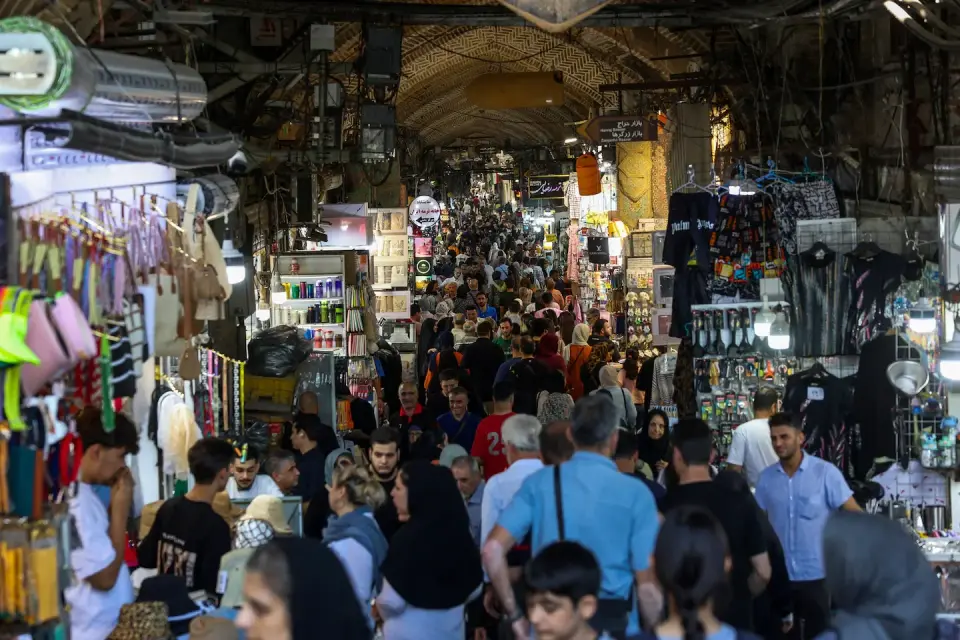
Iran’s economy has contracted by 10.1% year-on-year following a U.S. naval blockade and intensified sanctions, according to official data. While oil exports have collapsed and inflation has surged to nearly 70%, Tehran maintains a defiant stance, refusing to yield to U.S. demands despite severe shortages and currency devaluation.
Key points
- GDP fell 10.1% between March and June 2026, with the energy sector contracting 26.4% due to blocked oil exports.
- Inflation reached 69.9% in 2026, with food prices rising at nearly double that rate, forcing households to spend two-thirds of income on basic sustenance.
- The U.S. naval blockade has reduced Iranian crude loadings from 2 million barrels per day in March to roughly 220,000-255,000 barrels per day in August.
- Iran’s leadership rejects U.S. pressure, demanding the release of frozen funds and an end to the blockade, while diplomatic talks via Qatar and Pakistan remain ongoing.
- Analysts note that while the economic pain is severe, the regime remains stable due to loyal security forces, though the long-term sustainability of the crisis is uncertain.
Background
The current crisis follows a broader U.S. 'economic warfare' campaign announced in August 2026, which included secondary sanctions and a naval blockade of the Strait of Hormuz. Previous coverage highlighted the disruption of global oil markets and the U.S. debt crisis, while recent military strikes in Iran have further complicated the geopolitical landscape.
How outlets are covering it
The Washington Post emphasizes that the naval blockade, rather than new sanctions, is the primary driver of economic erosion, noting that Tehran remains uncowed despite the pain. Al Jazeera provides hard data on the 10.1% GDP drop and highlights diplomatic efforts, noting that Iran has dropped demands for reparations in negotiations, suggesting the pressure is having an effect. The Independent focuses on the immediate impact on citizens, detailing the petrol crisis and the collapse of oil exports. IranWire highlights the human cost, showing how inflation has made basic food unaffordable for minimum-wage households, with some prices rising 1,100% over four years.
Why it matters
The economic collapse in Iran threatens regional stability and global energy markets, as the country’s oil exports have plummeted. The crisis also tests the limits of U.S. economic warfare, raising questions about whether sustained pressure can force a diplomatic resolution or if it will lead to further instability and potential military escalation.
What to watch
Diplomatic negotiations mediated by Qatar and Pakistan are expected to continue, with Iran’s Foreign Minister Abbas Araghchi set to meet with mediators. The U.S. may resume strikes if talks fail, while Iran’s economy faces further contraction as the blockade persists and inflation continues to rise.
- Iran’s economy cracks under U.S. pressure, but Tehran won’t bend to Trump The Washington Post
- How oil, gas losses have shrunk Iran’s GDP by 10 percent during war Al Jazeera
- Inside Iran’s petrol crisis: How the war with the US has taken its toll The Independent
- Iran’s economy contracts by more than 10% during US war, official data shows The Straits Times
- Videos of Citizens Complaining about High Inflation Have Taken Over Iranian Cyberspace IranWire
Want the full story? Read the original reporting
Read on The Washington Post