
Iran’s FM Araghchi: Ready for War, Still Open to Diplomacy After Trump Rejects Hormuz Deal
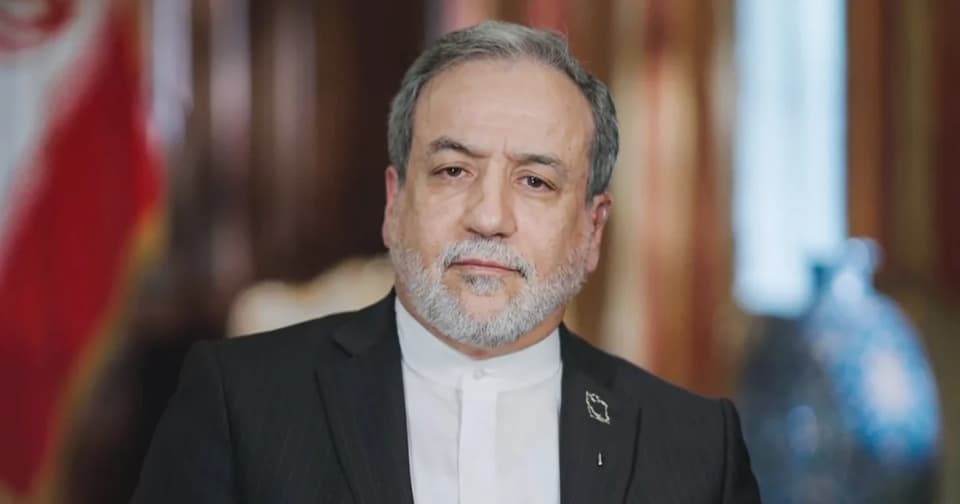
Iranian Foreign Minister Abbas Araghchi stated on Sunday that Iran is fully prepared to resume war with the United States but remains open to diplomacy, despite President Donald Trump publicly rejecting a proposal to reopen the Strait of Hormuz. Araghchi told NBC News that Iran had not yet received an official rejection through mediators, noting that Tehran’s offer included reopening the strait within seven days in exchange for the release of frozen assets and sanctions relief. Trump had dismissed the deal on Saturday, claiming Iran was 'losing badly.' U.S. Ambassador to the UN Mike Waltz criticized the proposal as 'cynical,' while analysts suggest both sides are betting that time will improve their bargaining positions ahead of the U.S. midterm elections.
Key points
- Araghchi affirmed Iran’s readiness for a 'doomsday war' but emphasized that diplomacy remains an option, stating it is up to President Trump to choose.
- Iran’s proposal, mediated by Qatar, required the U.S. to lift its naval blockade, waive oil sanctions, and release approximately $12 billion in frozen assets within seven days.
- Trump rejected the deal on Saturday, asserting that Iran was seeking a deal because it was 'losing badly,' though Araghchi noted no formal rejection had been communicated via diplomatic channels.
- U.S. Ambassador Mike Waltz described the proposal as a 'cynical attempt' to gain access to billions in frozen funds and questioned Iran’s leadership stability.
- Analysts warn that Trump’s strategy of waiting for better terms risks backfiring, as prolonged conflict could raise energy prices and hurt his party ahead of the November midterms.
Background
This dispute follows the collapse of a June memorandum of understanding that had established a temporary ceasefire but failed due to subsequent strikes. The current standoff occurs against a backdrop of escalating economic pressure on Iran, including new aviation sanctions, and heightened tensions in the Red Sea involving Houthi forces. Previous coverage noted Trump’s earlier threats to 'annihilate' Iran if no deal was reached, while Iranian President Masoud Pezeshkian recently expressed a lack of trust in U.S. negotiations.
How outlets are covering it
NBC News highlights Araghchi’s dual message of military readiness and diplomatic openness, emphasizing that Iran views the U.S. as having violated previous agreements. Al Jazeera focuses on the strategic calculations behind Trump’s rejection, noting that experts believe Washington is betting that sustained economic pressure will force Iran to concede. Al Jazeera also points out the risk that Iran may escalate rather than capitulate, potentially increasing costs for the U.S. and its Gulf allies. While NBC News centers on the immediate diplomatic breakdown, Al Jazeera provides broader context on the potential for regional escalation and the political risks for Trump ahead of the midterms.
Why it matters
The rejection of the Hormuz deal threatens to prolong a conflict that has already disrupted global oil supplies and strained U.S. relations with Gulf partners. If diplomacy fails, the risk of renewed military strikes could further destabilize the Middle East, impact global energy markets, and influence the outcome of the U.S. midterm elections, where public approval of the war remains low.
What to watch
Iran has not yet received an official rejection of its proposal through mediators, leaving a narrow window for potential negotiations. The U.S. is expected to maintain its naval blockade and economic sanctions, while Iran may increase pressure on the Strait of Hormuz or other regional chokepoints. The outcome will likely depend on whether either side concedes before the November U.S. midterm elections, with both parties currently betting that time will improve their bargaining positions.
- Iran ‘fully prepared’ for war to resume but diplomacy not over yet, Foreign Minister Abbas Araghchi says NBC News
- Iran insists on diplomatic solution after Trump rejects peace plan Reuters
- ‘Better deal’: What’s behind Trump’s rejection of Iran’s truce offer? aljazeera.com
- Trump calls Iranian plan to reopen Strait of Hormuz not 'acceptable' NPR
- Exclusive | Trump Rejects Iran Ceasefire, Expects Renewed Bombing After Midterms WSJ
Want the full story? Read the original reporting
Read on NBC News