
Fuel Crisis Drives States to Weigh Gas Tax Pauses Before Midterms
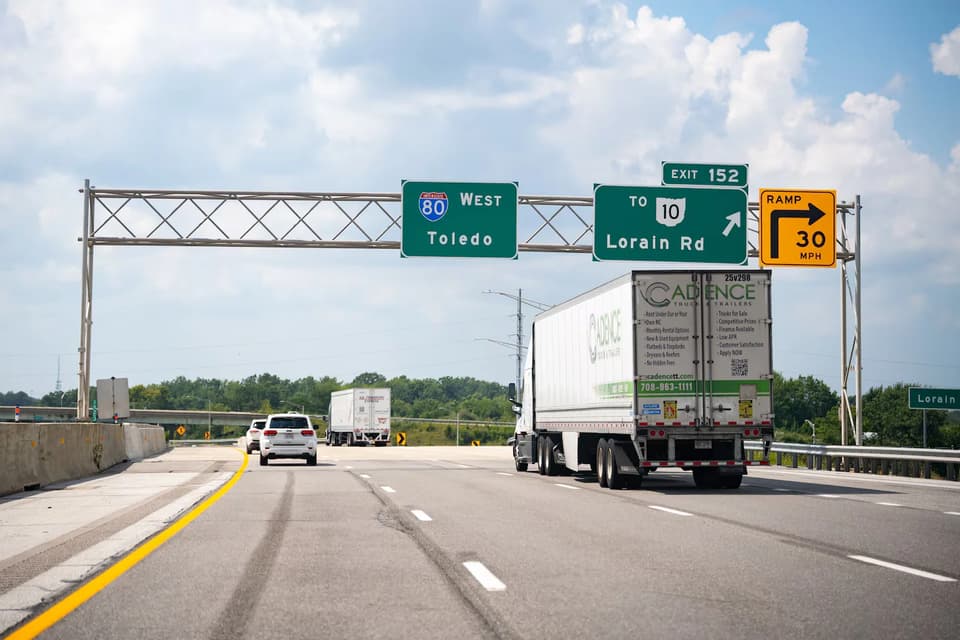
Record-high fuel costs, driven by the ongoing conflict with Iran, have prompted several U.S. states to consider suspending gas taxes ahead of the November 3 midterm elections. Georgia, Kentucky, and Indiana have already implemented cuts or suspensions, while Ohio and Massachusetts are actively debating similar measures. These moves aim to provide immediate relief to voters facing record diesel prices, though critics argue the financial impact on state budgets may outweigh the temporary savings for consumers.
Key points
- Georgia, Kentucky, and Indiana have already cut or suspended their gas taxes in response to soaring fuel prices.
- Ohio and Massachusetts are currently weighing similar proposals, with Ohio’s legislature expected to hold a rare pre-election session to vote on the measure.
- The surge in fuel costs is primarily attributed to the ongoing war with Iran, which has disrupted global energy supplies and pushed diesel prices to record highs.
- Critics, including Ohio Governor Mike DeWine, argue that suspending gas taxes could harm state budgets, as the revenue is already allocated to infrastructure projects like the Ohio Department of Transportation (ODOT).
- The political maneuvering is seen as an attempt by candidates to ease voter frustration and gain an electoral advantage in the upcoming midterms.
Background
Recent archive articles highlight a sustained upward trend in fuel prices, with national averages reaching record highs in late September 2026. Diesel prices have hit fresh daily records, significantly impacting shipping and consumer goods. The Iran conflict and disruptions in the Strait of Hormuz are cited as primary drivers of these price spikes, alongside broader geopolitical tensions. Previous coverage also noted that while policy discussions about releasing strategic reserves continue, low stockpiles have limited the potential for immediate relief, leading to increased political pressure on state and federal leaders to address the economic strain on voters.
How outlets are covering it
The Washington Post emphasizes the political motivations behind the gas tax holidays, noting that candidates in Ohio and Massachusetts are racing to enact these measures to appeal to voters frustrated by high fuel costs. The outlet highlights the bipartisan support for the idea, with both Republican and Democratic candidates in Ohio expressing backing for the proposal. In contrast, WSYX focuses on the fiscal concerns raised by Ohio Governor Mike DeWine, who warns against the gas tax pause, arguing that the revenue is already committed to infrastructure projects. DeWine’s stance highlights the tension between immediate voter relief and long-term budgetary stability. Yahoo’s perspective, while more editorialized, criticizes the gas tax holiday as a superficial political ploy that does not address the root causes of the price surge, reflecting a broader skepticism about the effectiveness of such measures in providing meaningful relief to consumers.
Why it matters
The push for gas tax holidays underscores the significant economic and political impact of the Iran conflict on U.S. energy markets. As fuel prices reach record highs, state leaders are under pressure to provide immediate relief to voters, even if it means compromising long-term budgetary stability. This trend could set a precedent for other states facing similar challenges, potentially influencing the broader political landscape ahead of the midterm elections. Additionally, the debate over gas tax holidays highlights the tension between short-term voter appeasement and the need for sustainable fiscal policies, a dynamic that could shape future energy and economic policy discussions.
What to watch
The Ohio legislature is expected to hold a rare pre-election session to vote on the gas tax holiday, with the outcome likely to influence similar proposals in other states. Massachusetts Governor Maura Healey has proposed a two-month suspension, and the decision could set a precedent for other states facing similar pressures. As the midterm elections approach, the effectiveness of these measures in providing meaningful relief to voters will be closely watched, with potential implications for future energy and economic policy discussions.
- States consider gas tax holidays ahead of Election Day The Washington Post
- Sunday Briefing: Ohio auditor’s race; gas tax suspension; gerrymandering NBC4 WCMH-TV
- DeWine warns against Ramaswamy gas tax pause, says ODOT money is already spoken for WSYX
- Ohio GOP lawmakers tee up votes for gas tax holiday after Acton, then Ramaswamy, back idea Ohio Capital Journal
- Ramaswamy's pathetic gas price ploy newest reason I'm ashamed to be American | Letters Yahoo
Want the full story? Read the original reporting
Read on The Washington Post