
Iran’s toll plan for Hormuz challenges freedom of navigation
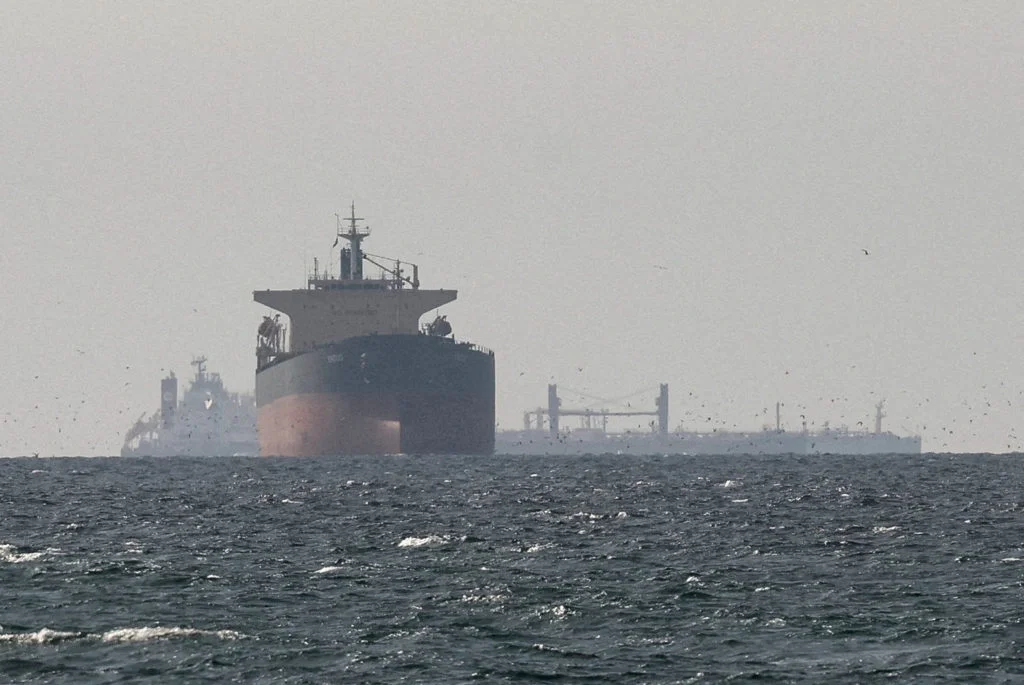
Iran has proposed that it and Oman charge ships passing through the Strait of Hormuz as a precondition for reopening the waterway, a move critics say would violate the principle of freedom of peaceful navigation enshrined in the UN Law of the Sea (though neither Iran nor the U.S. has ratified it, it is considered customary law). Experts warn such tolls could set a dangerous precedent and provoke diplomatic pushback, even as some argue the practical financial impact would be modest compared with the broader goal of resuming traffic that could lower oil prices. The United States opposes tolling, and Gulf producers are wary of losing leverage, all within the broader context of ongoing ceasefire discussions and regional tensions.
- Iran's proposal to collect tolls in the Strait of Hormuz violates trade norms PBS
- Iran Tightens Its Grip on Hormuz Despite Cease-Fire WSJ
- What to Know About the Strait of Hormuz Under the Cease-Fire The New York Times
- Oil industry pleads its Hormuz case with White House Politico
- Iran demands crypto fees for ships passing Hormuz during ceasefire Financial Times
Reading Insights
0
24
7 min
vs 8 min read
92%
1,447 → 119 words
Want the full story? Read the original article
Read on PBS