
Rubio Declares US Economic Pressure Sufficient to Halt Iran Combat Operations
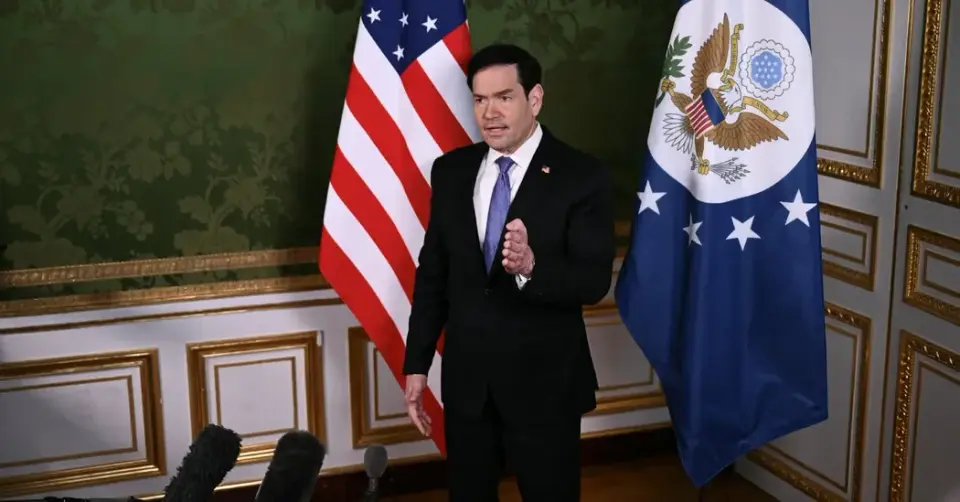
Secretary of State Marco Rubio stated that the US no longer requires major combat operations against Iran, citing the effectiveness of economic pressure. While President Trump called the conflict 'effectively over,' Rubio dismissed Iranian peace terms as 'outrageous' and 'absurd,' noting that Tehran demands reparations and sanctions relief before negotiations resume. Oil prices dropped significantly following these de-escalation signals, though the US maintains military escorts in the Strait of Hormuz to counter Iranian disruptions.
Key points
- Rubio asserted that economic pressure is achieving the same objectives as military action, making further strikes unnecessary for now.
- The US rejected Iran's seven-point proposal, which includes demands for reparations and the lifting of sanctions prior to talks.
- Iranian officials denied active negotiations, claiming the US response to their conditions was 'insufficient and deceptive.'
- Brent crude prices fell nearly 15% in the past week, reaching $91.37 per barrel, as markets reacted to de-escalation rhetoric.
- The US continues to provide military escorts for vessels in the Strait of Hormuz, where oil flows have dropped to 80-85% of pre-conflict levels.
Background
This development follows the US midterm elections on November 3, where Democrats campaigned against the war and rising energy costs. Recent internal tensions within the administration, including a clash between Rubio and Vice President JD Vance over blame for the conflict, have complicated the diplomatic stance. Additionally, War Secretary Pete Hegseth faces an impeachment vote related to the Iran conflict, highlighting the political fallout of the ongoing stalemate.
How outlets are covering it
The New York Times emphasizes Rubio's strategic pivot to economic warfare, framing it as a deliberate choice to avoid escalation post-election. CNBC highlights the diplomatic impasse, noting that while oil prices dropped on hopes of peace, Rubio called Iranian demands 'outrageous and ridiculous,' suggesting a breakthrough is unlikely. Middle East Eye provides a more critical view, noting that while the US claims economic success, Gulf partners are bracing for an uncertain environment of sporadic strikes without a settlement. It also points out that Iran’s IRGC reported two oil tankers catching fire from mines in the Strait of Hormuz, contradicting the narrative of a stable 'effectively over' conflict.
Why it matters
The shift from military to economic pressure signals a potential de-escalation in the eight-month conflict, which has significantly impacted global energy markets. However, the rejection of Iranian terms and the continued military presence in the Strait of Hormuz suggest that a lasting peace remains elusive. This stalemate affects global oil supply chains and the economic stability of Gulf states, which are facing investment uncertainties due to the lack of a definitive resolution.
What to watch
The US will likely maintain its economic pressure and military escorts in the Strait of Hormuz while waiting for Iran to adjust its demands. Iran may continue to disrupt shipping to force concessions, while the US monitors whether economic sanctions alone can compel Tehran to negotiate. Future diplomatic efforts may hinge on whether the US offers any concessions on sanctions or reparations, though Rubio has indicated this is unlikely.
- Rubio Says ‘Major Combat Operations’ in Iran War Are No Longer Needed The New York Times
- Rubio says no need for major combat operations against Iran given US economic campaign Reuters
- Rubio Sees No Iran Breakthrough as Trump Downplays Strikes Bloomberg.com
- Rubio sees little hope of diplomatic breakthrough to Mideast deadlock amid 'outrageous' Iranian demands CNBC
- US says no need for new attacks but calls Iran's peace terms 'absurd' Middle East Eye
Want the full story? Read the original reporting
Read on The New York Times