
Rubio outlines 'third option' for Iran: economic squeeze over strikes or deal
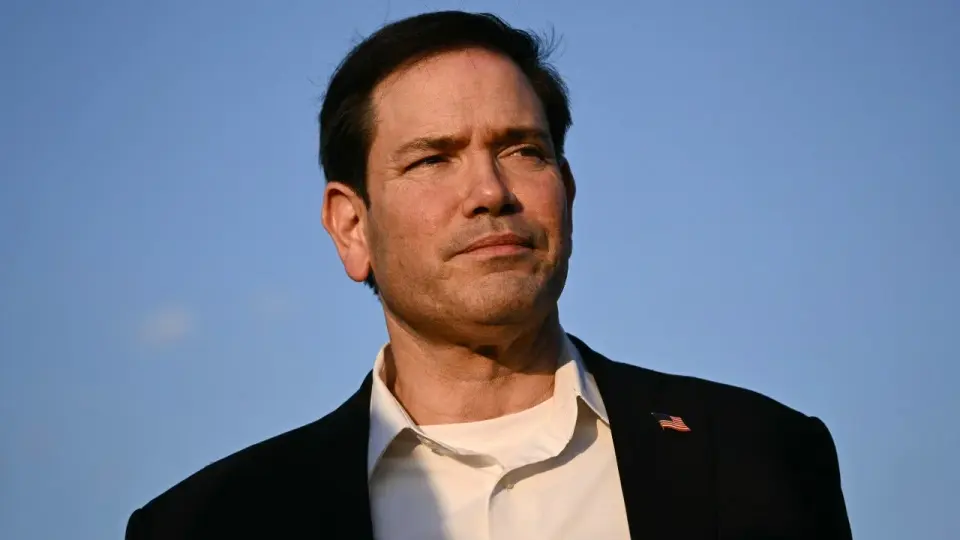
Secretary of State Marco Rubio told G7 allies in Paris that the US has chosen a 'third option' between resuming military strikes and signing a deal with Iran: intensifying economic pressure. Rubio stated that major combat operations are unnecessary because the current blockade and sanctions are inflicting 'devastating' costs on Tehran. While President Trump signaled 'positive momentum' in diplomacy, Iran’s security chief denied active negotiations and vowed to retain enriched uranium. The strategy faces internal divisions, with Vice President JD Vance favoring a deal, and external concerns from allies like Turkey and Iraq about the economic fallout.
Key points
- Rubio told G7 foreign ministers in Paris that the US will not accept a 'stupid deal' or resume war, opting instead for continued economic strangulation.
- Treasury Secretary Scott Bessent was relocated to a military base after Iranian assassination threats reached an 'advanced stage,' according to a senior official.
- Iran’s security chief Mohsen Rezaei stated that no enriched uranium will leave the country and that there are no current negotiations with Washington.
- Vice President JD Vance favors a diplomatic deal, contrasting with the 'strangulation' strategy supported by Rubio, Bessent, and CIA Director John Ratcliffe.
- Allies including Turkey, Iraq, and Pakistan expressed concern that prolonged US pressure on Iran could destabilize their own economies.
Background
This development follows the US-Iran conflict that began in February 2026, which has resulted in 23 US service member deaths. The current standoff follows a 'no war, no deal' status quo, with recent midterm election losses for Republicans increasing political pressure to end the conflict. Previous coverage noted that oil prices dropped after earlier de-escalation signals, but the US maintains a naval blockade in the Strait of Hormuz.
How outlets are covering it
Fox News emphasizes the security threat to US officials, highlighting Bessent’s relocation and the 'advanced stage' of Iranian threats. Axios focuses on the internal administration debate, noting that Rubio, Bessent, and Jared Kushner pushed for the economic strategy against those favoring renewed strikes. Al Jazeera highlights the political cost of the war, noting that 71% of Americans favor halting the conflict, and contrasts Rubio’s stance with Vance’s preference for a deal. AP News provides broader context on G7 priorities, noting that while Rubio discussed Iran, the summit also focused on Ukraine and European security guarantees.
Why it matters
The US decision to prioritize economic pressure over military action or diplomacy reshapes the Middle East’s security landscape. It risks prolonging an 'unstable status quo' that could lead to further escalation, as Iran’s leadership may interpret the stalemate as a green light for aggressive regional attacks. Additionally, the strategy strains relations with key allies who fear the economic fallout of a prolonged blockade on their own trade and stability.
What to watch
Watch for potential escalation in the Strait of Hormuz, where a tanker recently caught fire after hitting a mine. Monitor whether Iran’s economic pain forces a shift in its negotiating stance, as Rubio suggested 'eventually the economic realities penetrate the skull of even the most radical lunatic.' Also, observe if the US allies in Turkey, Iraq, and Pakistan push back against the pressure campaign, potentially forcing a diplomatic breakthrough or a loosening of the blockade.
- Rubio rules out broader strikes on Iran, vows to maintain economic pressure Fox News
- Trump swung between war and diplomacy — then chose a third way Axios
- Rubio backs blockade, Vance wants deal: Is Trump’s team split on Iran war? Al Jazeera
- Rubio urges nations to ‘step up’ on Strait of Hormuz security AP News
- Rubio says 'no need' to attack Iran as diplomacy gathers pace Yahoo
Want the full story? Read the original reporting
Read on Fox News