
Trump Halts Iran Strikes After Saudi Intervention, Sets Talks for Monday
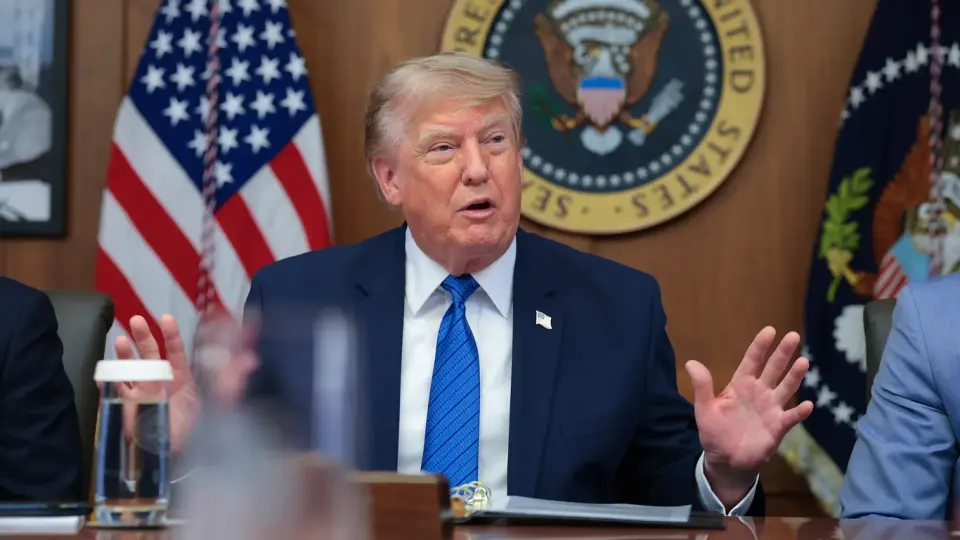
President Donald Trump canceled a planned U.S. and Israeli bombing campaign against Iranian energy targets after Saudi Arabia intervened. The pause is conditional on reaching a deal regarding the Strait of Hormuz and Iran's nuclear program. Negotiations are scheduled to begin Monday, though Iran denies direct talks with Washington.
Key points
- Trump halted strikes on Iranian energy infrastructure after Saudi Crown Prince Mohammed bin Salman urged de-escalation.
- The U.S. and Israel had prepared a joint attack, described by Trump as the 'biggest since World War II,' potentially involving Israeli forces.
- Iranian officials warned that strikes would be met with a 'broad response plan' targeting U.S. and Israeli infrastructure.
- A proposed deal includes reopening the Strait of Hormuz, ending the U.S. naval blockade, and halting attacks by Iranian-backed militias.
- Iran's foreign ministry stated it is negotiating with Oman, not the U.S., regarding safe passage through the Strait of Hormuz.
Background
This escalation follows months of conflict between the U.S. and Iran, which began in late February 2026. Previous tensions included drone strikes in the Strait of Hormuz and U.S. strikes on Iranian missile storage sites. The current standoff is part of a broader effort to broker a memorandum of understanding to ease naval blockades and address Iran's nuclear program, with Trump previously threatening tolls on Hormuz shipping if a deal was not reached within 60 days.
How outlets are covering it
Axios reported that Trump was seriously considering strikes within days but had not given final orders, noting that Iranian aggression, including attacks on U.S. bases and commercial ships, had stunned U.S. officials. CBS News emphasized the diplomatic intervention by Saudi Arabia, highlighting that Crown Prince Mohammed bin Salman warned against a 'wider conflict' and that Trump canceled the attack 'subject to being able to rapidly make a DEAL.' While Axios focused on the military threat and Iranian retaliation plans, CBS detailed the proposed terms of the deal, including the reopening of the Strait of Hormuz and the end of the U.S. naval blockade. Iran's foreign ministry, as reported by CBS, denied direct negotiations with the U.S., stating talks were with Oman regarding shipping safety, contrasting with Trump's assertion that negotiations would begin Monday.
Why it matters
The decision to halt strikes prevents a potential major escalation in the Middle East, which could have drawn in regional powers and disrupted global energy supplies. The conditional pause hinges on a deal that could reopen the Strait of Hormuz, a critical route for global oil shipments, and address Iran's nuclear capabilities. Failure to reach a deal could lead to renewed conflict, with Iran threatening strikes on U.S. and Israeli infrastructure. The situation also highlights the role of regional mediators like Saudi Arabia in de-escalating tensions and the ongoing struggle for control within Iran's leadership between those opposing negotiations and those seeking military leverage.
What to watch
Negotiations are set to begin Monday afternoon, with the U.S. and Iran working to finalize a deal that includes reopening the Strait of Hormuz and halting attacks across the region. The U.S. military remains 'locked and loaded,' and the pause is conditional on rapid progress. If talks fail, the U.S. and Israel may resume strikes on Iranian energy targets. Iran's foreign ministry has stated that the Strait of Hormuz will not return to its pre-war status, and Iran remains alert to concrete threats from the U.S. Congress is also reviewing a $67 billion supplemental funding request for the conflict.
- Trump considering strikes on Iranian energy targets within days Axios
- Live Updates: U.S. preparing new Iran strikes with Israel as Trump says, "We've done an amazing job" CBS News
- Report: US and Israel weighing attacks on Iran infrastructure NewsNation
- U.S. and Israel preparing to bomb Iran's energy infrastructure, sources say Yahoo
- US and Israel said planning joint strikes on energy sites in Iran, bombing could continue throughout weekend The Times of Israel
Want the full story? Read the original reporting
Read on Axios