
U.S. Ends Operation Inherent Resolve as Iraq Faces Security Vacuum
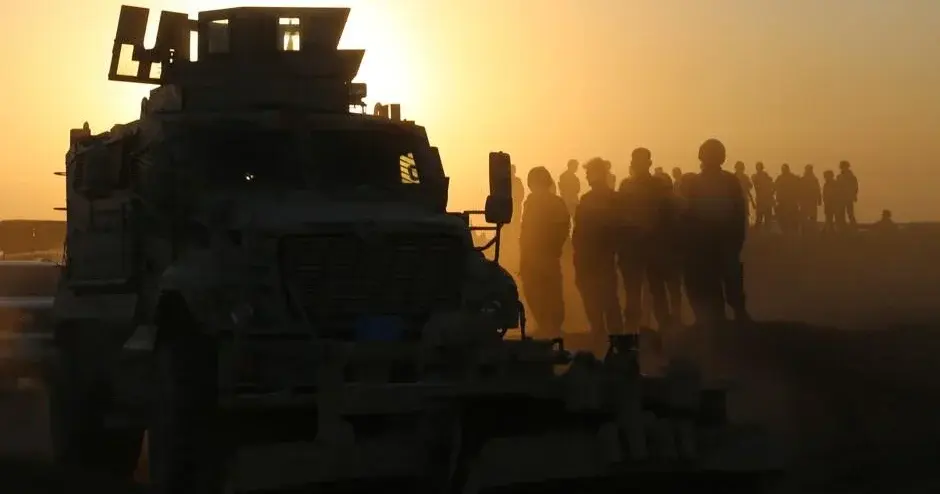
The U.S. military officially concluded Operation Inherent Resolve on September 30, 2026, marking the end of a 12-year anti-ISIS campaign in Iraq. All coalition forces and equipment have been withdrawn from Erbil Air Base, shifting security responsibilities to Baghdad. While the U.S. frames this as a successful transition to a bilateral relationship, the withdrawal occurs amid heightened regional tensions and concerns over Iran-backed militias.
Key points
- The U.S. Department of Defense confirmed the final withdrawal of coalition forces from Erbil Air Base, ending Operation Inherent Resolve.
- The mission, launched in 2014, aimed to defeat ISIS as an organized military threat in Iraq and Syria.
- Approximately 2,500 U.S. troops were in Iraq at the time of withdrawal, down from 160,000 during the 2003-2011 surge.
- The U.S. will continue to provide targeted training and intelligence support to Iraqi security forces.
- Iraq declared September 30 as 'Sovereignty Day,' initiating a three-day national holiday.
Background
This withdrawal follows a 2024 agreement between the U.S. and Iraq to transition from a multi-country coalition to a bilateral security relationship by the end of 2026. The move occurs amid ongoing U.S.-Iran tensions, with Iran-backed militias having launched over 600 attacks against U.S. facilities in early 2026. Previous U.S. military presence in Iraq peaked at 160,000 troops during the 2003-2011 occupation, which resulted in significant casualties and sectarian conflict.
How outlets are covering it
The U.S. Department of Defense, through spokesperson Sean Parnell, emphasized the success of the 12-year campaign in defeating ISIS and the transition to an Iraqi-led security effort. In contrast, The New York Times highlighted the uncertainty and potential security vacuum, noting that Iraq is now caught between warring allies Washington and Tehran. CBS News reported on widespread skepticism among Iraqi citizens and minority groups regarding Baghdad's ability to maintain stability without U.S. support, particularly concerning Iran-backed militias. The U.S. Department of War's statement focused on the orderly departure and continued bilateral cooperation, while local Kurdish leaders expressed concerns about the future of their region's security.
Why it matters
The end of Operation Inherent Resolve marks a significant shift in U.S. foreign policy and regional influence in the Middle East. It raises questions about Iraq's ability to maintain security and sovereignty without U.S. support, particularly in the face of Iranian influence and the threat of ISIS remnants. The withdrawal also signals a broader trend of U.S. disengagement from prolonged military commitments in the region, potentially altering the balance of power and stability in Iraq and beyond.
What to watch
The U.S. will continue to provide targeted training and intelligence support to Iraqi security forces. Iraq is expected to disarm Iran-backed militias by June 2027, though this deadline has already been delayed from September 2026. The U.S. and Iraq will transition to a more normal bilateral security relationship, with the U.S. remaining committed to counterterrorism efforts to prevent ISIS from reconstituting in Iraq.
- U.S. military declares end of anti-ISIS Operation Inherent Resolve in Iraq CBS News
- After Two Decades, U.S. Forces Leave Iraq to an Uncertain Future The New York Times
- Statement by Chief Pentagon Spokesman Sean Parnell on the Conclusion of the U.S. Military Mission in Iraq U.S. Department of War (.gov)
- How the US controls Iraq's oil revenues Reuters
- US withdraws forces from bases in Iraq on Tuesday, raising fears of vacuum for terror groups | LIVE BLOG i24NEWS
Want the full story? Read the original reporting
Read on CBS News