
US prosecutors expand Maduro case with torture charges against wife
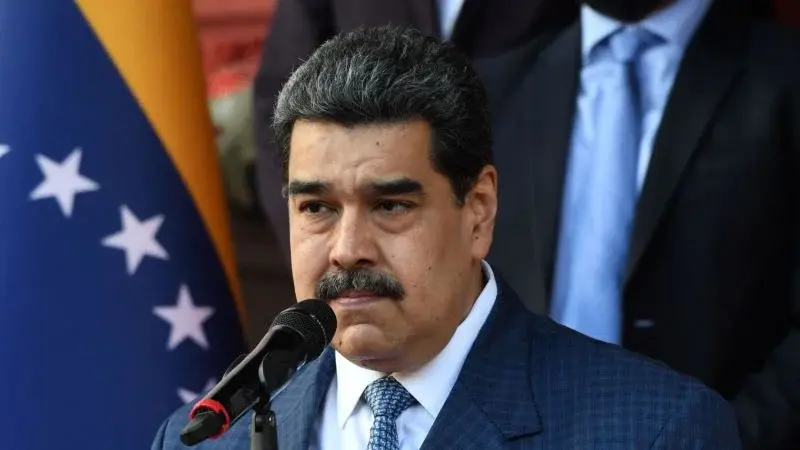
New York prosecutors have added conspiracy to commit torture charges against former Venezuelan President Nicolás Maduro and his wife, Cilia Flores. The indictment alleges a state-sponsored system of abuse against Americans and Venezuelans, including electrocution and waterboarding. While Maduro’s defense argues for head-of-state immunity, the judge denied Flores a request for house arrest, citing flight risks and the severity of the alleged crimes.
Key points
- US Attorney Jamie McDonald announced new charges against Maduro and Flores for conspiracy to commit torture, alleging a 25-year system of repression.
- The indictment details specific abuses, including a US citizen forced to eat his own vomit and a Venezuelan officer subjected to 20 electric shocks and waterboarding.
- Judge Hellerstein denied Flores' request for house arrest, stating she is a flight risk and that Venezuela would likely not extradite her if she escaped.
- Maduro’s attorney maintains that his client has immunity as a former head of state, a claim the US government rejects.
- The new charges are intended to support the prosecution's argument against granting bail, with the trial scheduled for June 2027.
Background
Maduro and Flores were captured in a US military raid in January 2026 and are currently held without bail in New York. They previously pleaded not guilty to narcoterrorism conspiracy charges. In September 2026, Maduro attempted to dismiss the existing indictment by claiming absolute immunity as a foreign head of state, an argument the US government has consistently rejected. The new torture charges expand the scope of the prosecution beyond drug trafficking to include human rights violations.
How outlets are covering it
CNN provides the primary details of the new indictment, focusing on the specific methods of torture alleged against American and Venezuelan detainees. The secondary source, Ukrainian National News, highlights the legal dispute over immunity, noting that the US has stated Maduro does not have immunity in the narcoterrorism case. While CNN emphasizes the humanitarian and criminal aspects of the new charges, the secondary source focuses on the procedural legal battle regarding jurisdiction and immunity. Both sources agree on the core facts of the detention and the ongoing legal proceedings but differ in their emphasis on the legal versus the evidentiary aspects of the case.
Why it matters
The expansion of charges to include torture signifies a shift in the US strategy to hold Maduro and Flores accountable for a broader range of human rights abuses, not just drug trafficking. It tests the limits of head-of-state immunity in international law and sets a precedent for prosecuting foreign leaders for domestic repression. The denial of bail for Flores underscores the US government's stance that the severity of the alleged crimes outweighs any health or logistical concerns raised by the defense.
What to watch
The next major step is the arraignment of Flores on the new torture charge, which the judge has not yet scheduled. The defense will likely continue to challenge the legality of the arrest and the applicability of immunity. The trial for all charges is currently set for June 2027, where the evidence of torture and drug trafficking will be presented to a jury.
- Exclusive: Nicolás Maduro and his wife expected to face new charges over alleged torture of Americans CNN
- The United States stated that Maduro does not have immunity from prosecution in the narcoterrorism case Українські Національні Новини (УНН)
- Maduro not immune to prosecution in narco-terror case, US says Hanford Sentinel
Want the full story? Read the original reporting
Read on CNN