
Orangutans Choose Food Linked to Laughter, Suggesting Emotion Shapes Learning
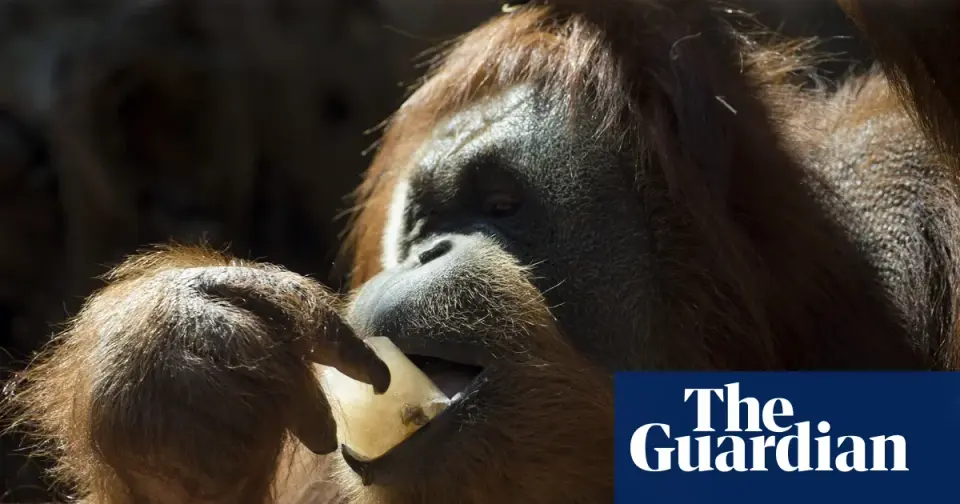
Research indicates that captive orangutans value food rewards more highly when associated with the sounds of their peers laughing. The study suggests that an animal's emotional state during learning influences how they remember and prioritize associations, implying that positive emotions may enhance the perceived value of information or rewards.
Key points
- Six captive orangutans at two zoological institutions were trained to search bowls for treats buried under harmless substances like moss or sawdust.
- Researchers played recordings of orangutan laughter or environmental sounds before presenting bowls, linking specific sounds to specific covering materials.
- In final trials where both bowls contained treats, four of the six orangutans consistently chose the bowl covered by the substance associated with laughter.
- The findings suggest that the emotional context of learning, not just the reward itself, influences how animals value and remember associations.
- Researchers propose these insights could apply to human education, suggesting students may value information more if learned during positive emotional states.
Background
This study aligns with broader research into animal cognition and emotional processing, such as recent findings on dogs' shape-sound associations and instinctual behaviors. While previous studies focused on innate drives or sensory links, this work explores how social emotional cues like laughter impact decision-making and memory in great apes.
Why it matters
Understanding how emotional states influence learning and value assessment in animals provides insights into the cognitive mechanisms underlying decision-making. These findings may inform educational strategies for humans, suggesting that mood and context significantly affect how information is retained and prioritized.
What to watch
Further research may explore how other emotional states, such as anxiety or fear, affect associative learning in animals and humans. Additionally, studies could investigate whether these emotional influences on memory and value assessment vary across different species or contexts.
Want the full story? Read the original reporting
Read on The Guardian