Tag

Animal Cognition

All articles tagged with #animal cognition

Dolphins' signature whistles function as lifelong personal names, new evidence shows
science9 days ago

Dolphins' signature whistles function as lifelong personal names, new evidence shows

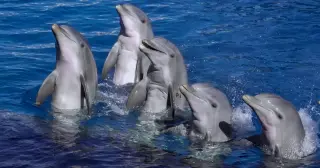
Bottlenose dolphins begin each life with a unique signature whistle that becomes a lifelong, referential label; experiments show dolphins respond to synthesized whistles lacking the producer’s voice, proving the whistle itself encodes the name rather than just voice. Dolphins use and copy these name-like signals to address specific individuals, retain them for decades, and remember others’ names across long spans, establishing them as the first non-human species with verifiably personal-naming capabilities; later research has extended the concept to elephants as well.

Crows Reveal an Ancient Foundation for Math: Zero, Probability, and the Neural Roots of Numbers
science23 days ago

Crows Reveal an Ancient Foundation for Math: Zero, Probability, and the Neural Roots of Numbers

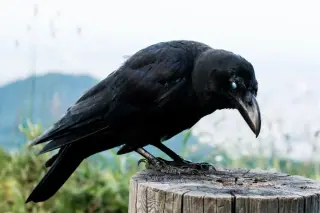
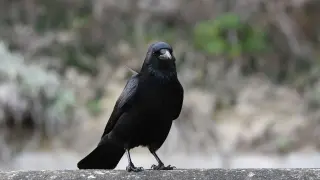
New findings from crow research by Andreas Nieder show that carrion crows understand zero as a numerical quantity and can perform probabilistic reasoning to pick the more rewarding option, suggesting that the cognitive building blocks of mathematics—quantity sense and probabilistic inference—are ancient and shared with primates and preverbal human infants, implying human math evolved by building on these prehuman foundations.

Chimpanzee Crystal Craze Hints at Ancient Geometry
science4 months ago

Chimpanzee Crystal Craze Hints at Ancient Geometry

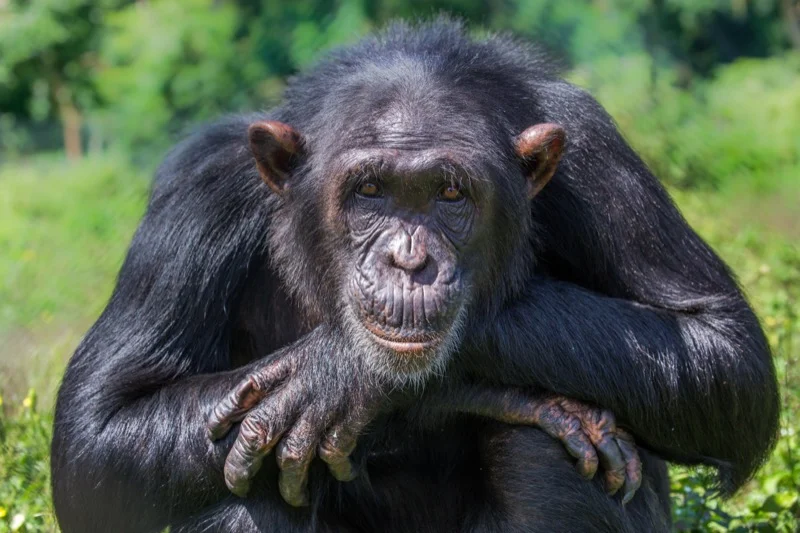
Researchers at a Spanish chimpanzee sanctuary handed quartz crystals to two groups of rescued chimps; the apes showed strong interest—dragging, examining, and even trading bananas or yogurt to recover the largest crystal—while others sorted crystals by type. García-Ruiz suggests chimps’ attraction to crystals may stem from their Euclidean geometry, hinting at ancient cognitive roots shared with humans.

Tiny Cleaner Wrasse Sparks Big Questions About Self-Awareness
science4 months ago

Tiny Cleaner Wrasse Sparks Big Questions About Self-Awareness

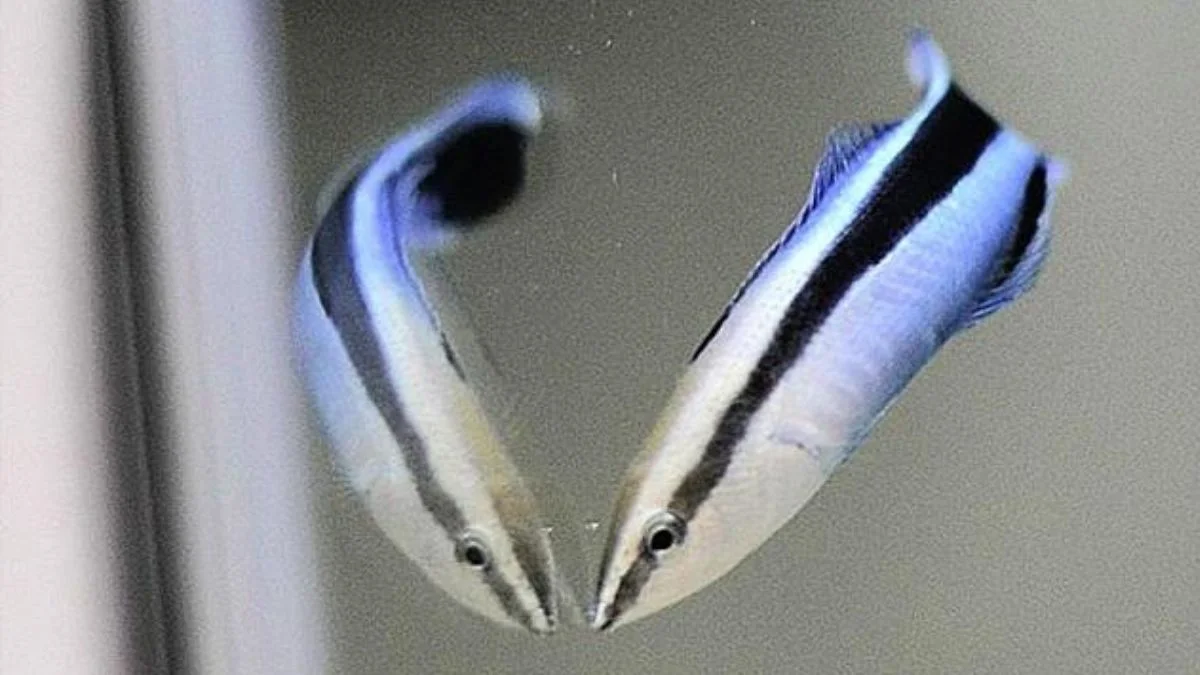
A cleaner wrasse fish passed a revised mirror-self-recognition test, suggesting self-awareness may be more widespread in vertebrates. In the study, researchers marked the fish before introducing a mirror, and the fish began scraping off the perceived parasite after seeing its reflection—on average about 82 minutes later—while also engaging in behavior like carrying a shrimp to the mirror to probe how the reflection works. This contingency testing and self-directed tool use extend previous work from 2018, implying that self-awareness could have evolved in bony fishes and may have implications for evolution, animal welfare, and AI research; the findings are reported in Scientific Reports.

Bonobo Kanzi Demonstrates Imagination in Tea-Party Experiments
science5 months ago

Bonobo Kanzi Demonstrates Imagination in Tea-Party Experiments

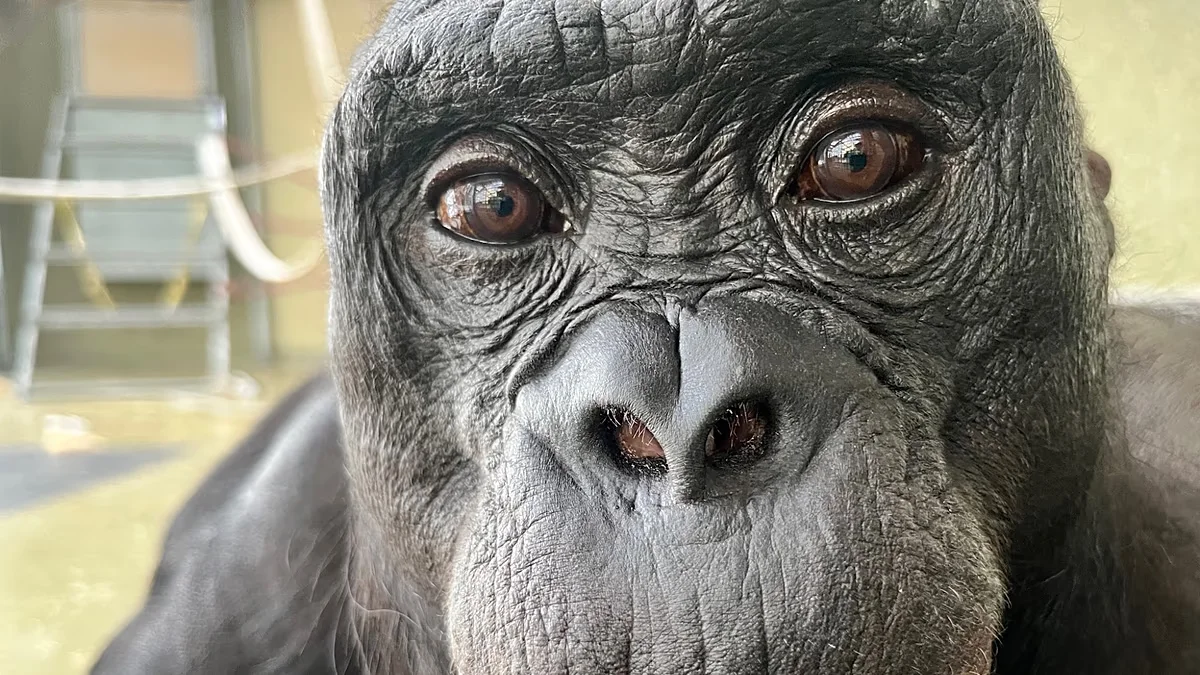
Researchers at Johns Hopkins conducted tea‑party–style tests with Kanzi the bonobo to test if apes can imagine pretend objects. He consistently indicated the locations of pretend juice and pretend grapes and could distinguish pretend from real items, suggesting that imagination and pretense are not uniquely human. The study, published in Science, argues that enculturated apes may have a mental life that extends beyond the present and lays groundwork for exploring future thinking and others’ minds in nonhuman primates.

Cuttlefish Demonstrate Advanced Intelligence in Child Psychology Test
science11 months ago

Cuttlefish Demonstrate Advanced Intelligence in Child Psychology Test

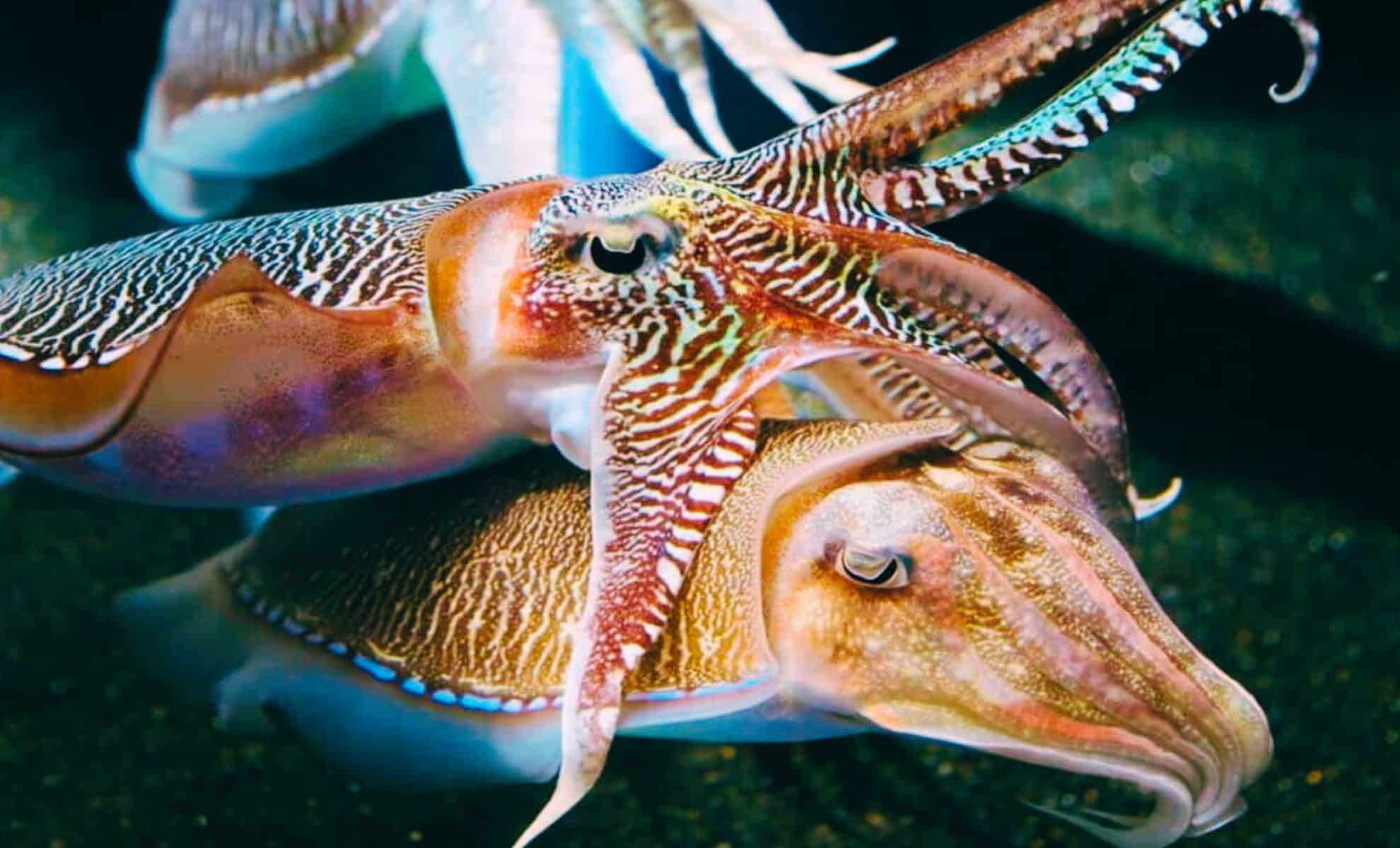
A study shows that common cuttlefish can pass a delayed gratification test similar to children, indicating advanced cognitive abilities and behavioral flexibility, likely evolved due to their ambush hunting strategy, challenging previous assumptions about invertebrate intelligence and emphasizing the importance of conservation efforts.

Animals Capable of Counting and Basic Math
science1 year ago

Animals Capable of Counting and Basic Math

Many animal species, including birds, insects, mammals, and reptiles, can discriminate quantities and perform basic numerical tasks, often using an innate approximate number system (ANS). While some animals like parrots and chimpanzees can approach true counting, most are limited to quick comparisons and simple estimations rather than complex arithmetic. The ability to do actual math, involving symbols and operations like addition and subtraction, appears to be rare and mostly observed in trained animals.