
700-Year-Old Inuit Carving Depicts European Visitor Before Columbus
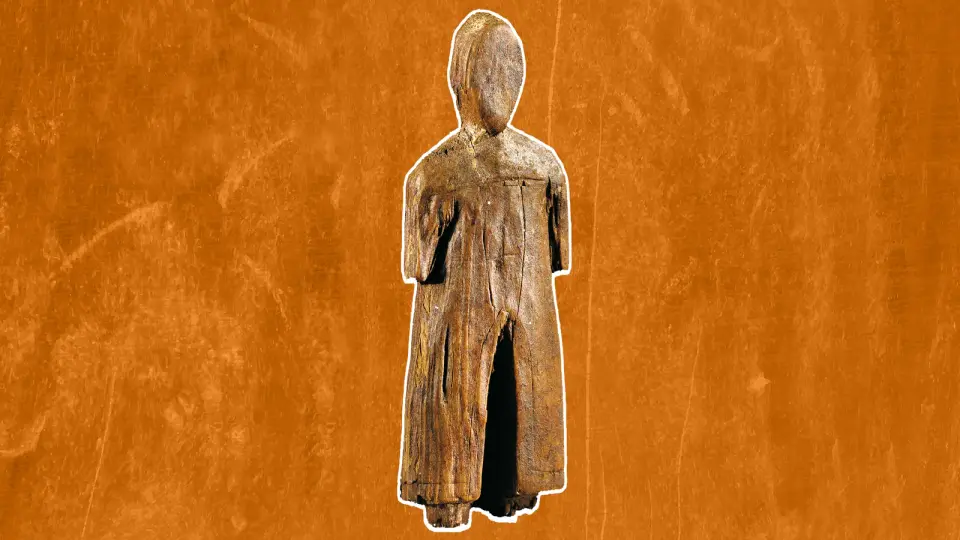
A 14th-century wooden figurine found on Baffin Island depicts a European figure, predating Columbus by 150 years. The artifact, dated to 1350, shows a person in a tunic with a cross, likely representing a Norse visitor. It is the earliest known Indigenous depiction of a European in the Western Hemisphere.
Key points
- Discovered in 1977 on Baffin Island, the 2.1-inch wooden figurine dates to approximately 1350.
- The carving depicts a figure wearing a long robe with a cross, resembling Norse Christian attire from the 11th to 13th centuries.
- It is the earliest known Indigenous representation of a European in the Americas, predating Columbus by over a century.
- The artifact suggests contact between the Thule ancestors of the Inuit and Norse traders who visited from Greenland.
- The figurine is currently displayed at the Canadian Museum of History.
Background
Recent studies suggest Indigenous populations in the Americas peaked around 1400, challenging narratives of empty lands before European arrival. This artifact provides physical evidence of pre-Columbian contact, complementing archaeological findings of Norse settlements like l'Anse aux Meadows in Newfoundland.
Why it matters
This artifact reshapes the timeline of transatlantic contact, proving Indigenous peoples documented European visitors long before the 1492 arrival of Columbus. It highlights the complexity of pre-Columbian societies and their interactions with Norse explorers.
What to watch
Researchers may further analyze the figurine's materials to confirm its age and origin. Continued archaeological work in the Arctic could reveal more evidence of Norse-Thule trade networks.
Want the full story? Read the original reporting
Read on Live Science