
High-Altitude Pyrenean Cave Reveals Early Copper Processing Across Millennia
TL;DR
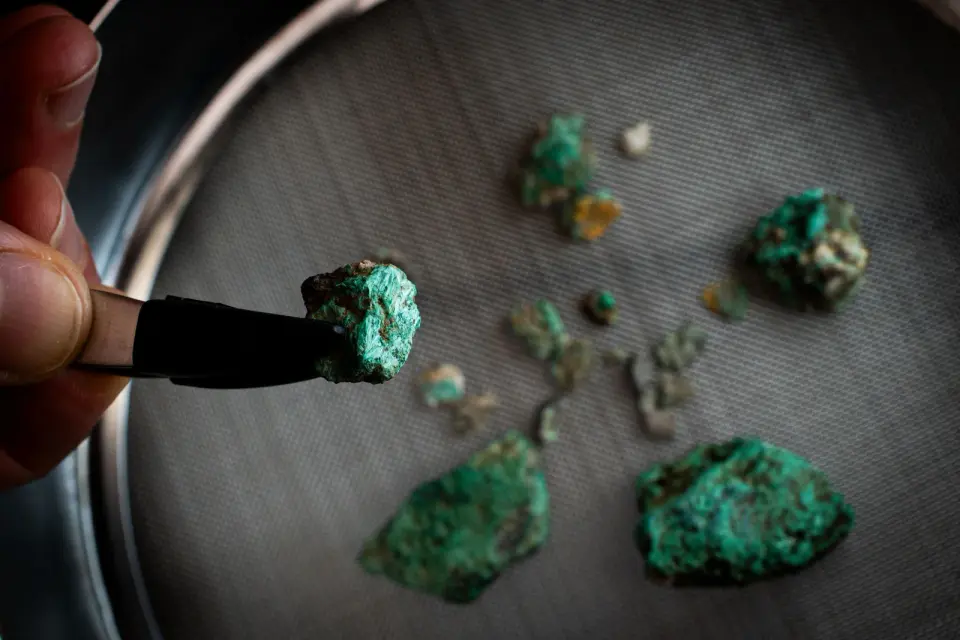
Archaeologists excavating Cave 338 in the eastern Pyrenees uncovered 23 hearths with crushed green mineral fragments resembling malachite, indicating deliberate copper processing at a high-altitude site used repeatedly over about 2,000 years. The stratigraphy includes a 6,000-year-old oldest layer and layers dated roughly 5,500–4,000 years ago and ~3,000 years ago, along with human remains and pendants, suggesting possible burial or ritual use. The findings challenge the notion that high mountains were only marginal habitats for prehistoric peoples, and researchers plan further work to confirm malachite’s source and deepen the site’s chronology.
- Archaeologists Discover Prehistoric Mountain Cave Packed With Mysterious Green Mineral SciTechDaily
- Child’s bones and mysterious ancient tech found in a remote Pyrenees cave at 2,235 meters The Times of India
- Cave With Bright Green Rocks Reveals Surprising Evidence Of Prehistoric People Mining And Smelting Copper IFLScience
- Buried in the Pyrenees: ancient fires, lost rituals, and the dawn of copper mining yourweather.co.uk
- Mysterious green rocks found in a remote cave in Spain may reveal that prehistoric peoples climbed the Pyrenees to work with copper thousands of years ago. CPG Click Petróleo e Gás
Want the full story? Read the original reporting
Read on SciTechDaily