
Robert Beck Explains the Science and Myth of Rainbows in New Upper West Side Feature
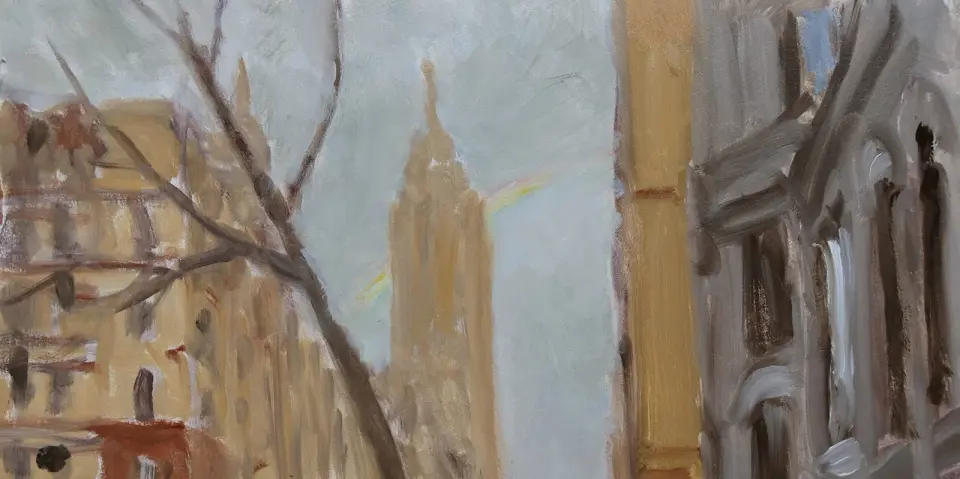
Robert Beck’s latest 'West Side Canvas' installment combines a painting with an essay exploring the physics and cultural significance of rainbows. Published by West Side Rag, the piece details how rainbows form through light refraction in water droplets and why they are often missed in urban environments due to building obstructions. Beck also addresses the phenomenon of secondary rainbows, noting their reversed color order and dimmer appearance. The article includes a lighthearted, satirical remark suggesting that Upper East Side residents do not see rainbows because they do not believe in science, a line that generated mixed reactions from readers. Beck invites community members to suggest local subjects for future columns and directs readers to his studio and previous works.
Key points
- Robert Beck’s 'West Side Canvas' series features a new essay and painting focused on the meteorological and cultural aspects of rainbows.
- The essay explains that rainbows are created when sunlight reflects off water droplets, requiring specific angles between the sun, the viewer, and the moisture in the air.
- Beck notes that urban buildings often block the lateral view necessary to see rainbows, making them elusive in the city despite ideal atmospheric conditions.
- The piece discusses secondary rainbows, which appear outside the primary arc with reversed colors and reduced brightness due to additional internal reflections within water droplets.
- A satirical line in the essay claiming Upper East Side residents do not see rainbows due to a lack of belief in science sparked debate among commenters, with some pointing to the area’s high concentration of scientific institutions.
- Beck encourages readers to submit ideas for future 'West Side Canvas' subjects and provides links to his studio, previous columns, and a radio interview.
Background
Robert Beck is a recurring contributor to West Side Rag, having previously appeared in the 'Weekend Column' before launching the 'West Side Canvas' series. His work often blends local history, art, and cultural commentary. The current feature follows other local coverage, such as the city’s recent West Nile virus spraying efforts and public health responses to Legionnaires' disease, highlighting the intersection of environmental factors and community life on the Upper West Side. Beck’s previous interviews have also touched on his musical career and artistic philosophy, establishing him as a multifaceted local figure.
Why it matters
This feature serves as a cultural touchstone for the Upper West Side, blending scientific explanation with local satire. It highlights the unique visual challenges of urban environments regarding natural phenomena and provides a platform for community engagement through art. The public reaction to the essay’s satirical remarks also reflects ongoing local debates about neighborhood stereotypes and the role of science in everyday life.
What to watch
Robert Beck is actively seeking suggestions from Upper West Side residents for future 'West Side Canvas' subjects, specifically looking for archetypal places or events in the neighborhood. Readers can also listen to his interview on Rag Radio and explore his previous columns and studio work online.
Want the full story? Read the original reporting
Read on westsiderag.com