
Helsinki’s Literary Avant-Garde Navigates Educational Crisis and Architectural Legacy
American essayist A.V. Marraccini’s recent visit to Helsinki highlights the resilience of the Finnish literary community amidst fears of educational decline. Through interactions with the Poesia publishing collective and observations of Alvar Aalto’s architecture, the piece explores how cultural institutions maintain vitality despite political and economic pressures. The narrative connects historical architectural metaphors to contemporary anxieties about the future of humanities and literacy.
Key points
- Marraccini attended the Runokuu International Poetry and Poetics Conference in Helsinki, where she engaged with the Poesia publishing collective, a group known for avant-garde works and self-published editions.
- The article notes a proposal under Finland’s current right-wing coalition government to introduce tuition fees for some university students, a move that Finnish poets and writers view as a sign of the crumbling education system.
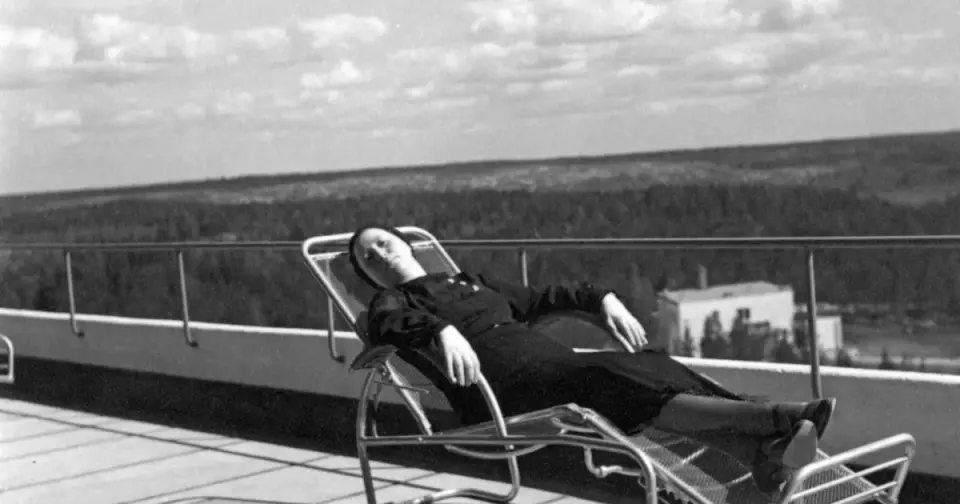
- Marraccini draws parallels between Alvar Aalto’s architectural designs, such as the Paimio Lounger and Finlandia Hall, and the endurance of poetry, using these structures as metaphors for breathing and survival in difficult times.
- The piece highlights the interdisciplinary nature of Helsinki’s literary scene, where poetry, philosophy, and criticism intersect, contrasting it with the more siloed American humanities landscape.
- Marraccini references W.H. Auden’s poem 'Under Sirius' to frame the current era as a 'dog days' period of cultural and political uncertainty, yet finds hope in the collaborative spirit of the Finnish literary community.
Background
This report follows earlier coverage of global cultural and political shifts, including Pope Leo XIV’s tour of France addressing secularism and the UK-France termination of migrant exchange pilots. While those events focused on religious and political boundaries, this story focuses on the internal resilience of cultural institutions in Finland.
Why it matters
The story illustrates how cultural institutions in the Nordic region are responding to political changes that threaten public funding for education and the arts. It underscores the role of independent publishing collectives in preserving literary traditions and the broader implications of tuition fee proposals for the future of humanities disciplines in Finland.
What to watch
The outcome of the proposed tuition fee changes in Finland will determine the financial stability of university humanities programs. Additionally, the translation and distribution of works by Poesia authors into English may increase international visibility for Finnish avant-garde literature.
Want the full story? Read the original reporting
Read on Poetry Foundation