
Ancient Megalake Paratethys Held 10x More Water Than All Modern Lakes Combined
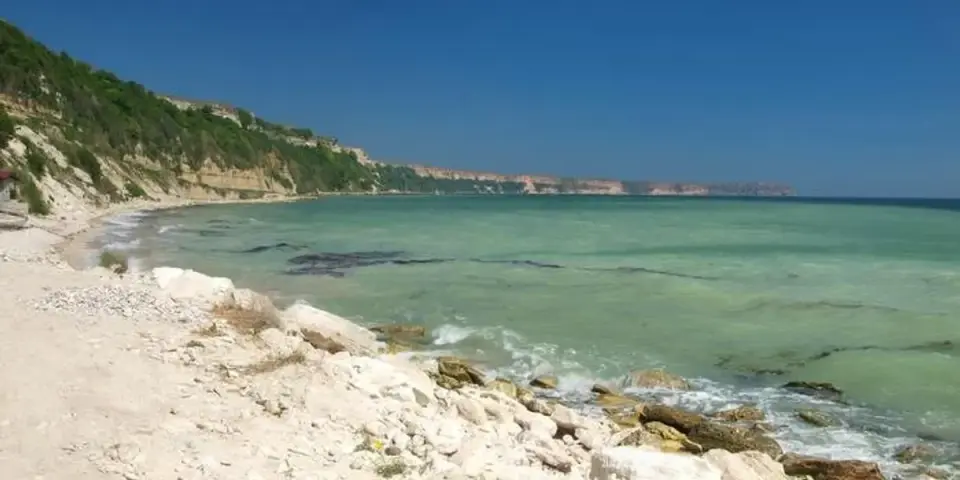
A team at Utrecht University confirmed that Megalake Paratethys, which existed 11 million years ago, was the largest lake in Earth's history, holding 1.77 million cubic kilometers of water—over ten times the volume of all current lakes combined. The lake, which spanned 2.8 million square kilometers from the Alps to Kazakhstan, was formed when rising mountains isolated the ancient Paratethys Sea from the ocean. Its eventual drainage 6.7 million years ago created a massive waterfall, and its legacy informs modern concerns about methane release and carbon storage in the Black Sea.
Key points
- Megalake Paratethys, dated to 11 million years ago, was confirmed as Earth's largest lake by researchers at Utrecht University using magnetostratigraphy.
- The lake covered 2.8 million square kilometers and held 1.77 million cubic kilometers of water, exceeding the combined volume of all modern salt and freshwater lakes by a factor of ten.
- It was formed when the rise of central European mountain ranges separated the ancient Paratethys Sea from the ocean, creating a massive, mildly salty body of water.
- The lake hosted unique fauna, including giant ancient elephants and Cetotherium riabinini, the smallest whale ever found in fossil records.
- The lake eventually drained between 6.7 and 6.89 million years ago due to erosion on its southwest edge, likely creating a massive waterfall.
- The research highlights parallels between Paratethys and the modern Black Sea, which contains toxic hydrogen sulfide and frozen methane, raising concerns about future climate-driven releases.
Background
This finding builds on recent geological and environmental discoveries, such as the 2026 confirmation of extreme salinity in Ethiopia's Gaet'ale Pond and the ongoing monitoring of volcanic activity in Kamchatka. While those events highlight current extreme conditions, the Paratethys research provides a deep-time perspective on how tectonic shifts and climate changes have historically reshaped Earth's largest water bodies and their ecosystems.
Why it matters
Understanding the history of Megalake Paratethys provides critical insights into how climate shifts can drastically alter large water bodies, impacting biodiversity and releasing potent greenhouse gases like methane. This knowledge is directly relevant to managing modern risks in the Black Sea and identifying stable regions for future carbon storage initiatives.
What to watch
Researchers will continue to analyze sediment layers to refine the timeline of Paratethys' crises and drainage. The findings may also guide future environmental policies regarding the Black Sea's stability and its potential role as a carbon storage site.
Want the full story? Read the original reporting
Read on Indy100 | News