
Six Star Projectors Offer Scientifically Accurate Home Planetariums
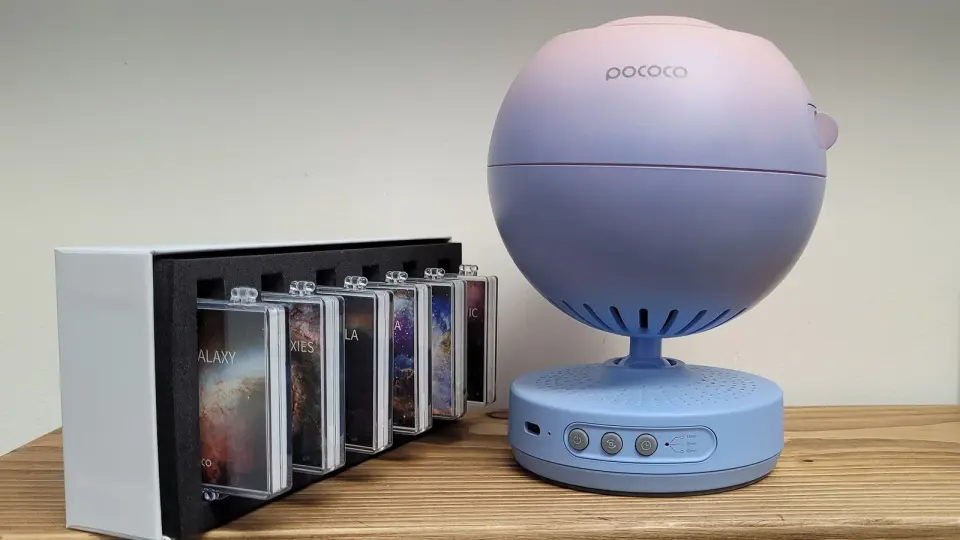
Space.com has identified six star projectors that provide scientifically accurate celestial projections, transforming rooms into home planetariums. These devices feature interchangeable discs and slides, allowing users to view accurate northern hemisphere maps or images from the Hubble Space Telescope. The selection includes models from Sega Toys, Bresser, Thames and Kosmos, and Pococo, with prices ranging from $34.95 to $259. The guide highlights these tools as practical alternatives for stargazing when weather or location limits outdoor observation, serving both educational purposes for children and entertainment for adults.
Key points
- The article reviews six star projectors that deliver scientifically accurate images rather than just decorative lighting.
- All listed devices feature interchangeable discs, with some models supporting additional slide purchases to expand image libraries.
- The Sega Toys Homestar Classic is priced at $117, while the Bresser Junior Astroplanetarium Deluxe costs $169.27.
- The Thames and Kosmos Planetarium Projector is the most affordable option at $34.95, whereas the Sega Toys Homestar Flux is the most expensive at $259.
- The Pococo Galaxy Star Projector is available for $104.99, and the Sega Toys Homestar Matataki costs $109.99.
- These projectors are recommended for stimulating interest in space and STEM among young children or providing a space-themed experience for guests.
Background
This guide follows recent trends in the projector market, where ultra-short-throw devices have been pushing high-resolution standards for television replacement. However, this specific focus is on educational and observational accuracy for astronomy, distinct from the high-lumen, 4K gaming projectors unveiled at IFA 2026. Unlike general entertainment projectors, these devices prioritize the precision of celestial data for indoor stargazing practice.
Why it matters
Accurate star projectors bridge the gap between casual home entertainment and serious astronomical study, providing a reliable tool for education and observation when outdoor viewing is not possible. By offering scientifically verified images, these devices serve as practical instruments for learning and engagement with the cosmos, rather than merely serving as ambient lighting.
What to watch
Consumers interested in home planetariums can now select from a range of scientifically accurate projectors, with options available for purchase through major retailers. The availability of additional slides for models like the Homestar and Pococo suggests a growing market for expandable educational content in consumer electronics.
Want the full story? Read the original reporting
Read on Space