
"Spotting Fireballs: Your Guide to Watching the Lyrid Meteor Shower Peak"
TL;DR Summary
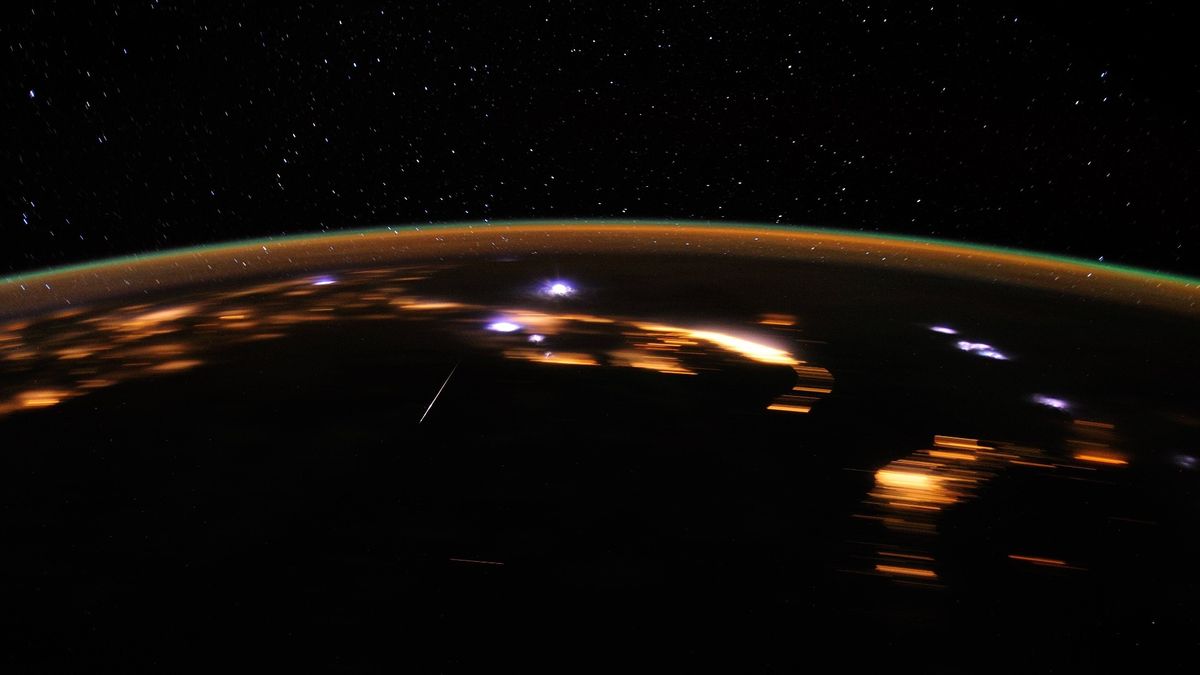
The annual Lyrid meteor shower will peak on April 22, with around 18 "shooting stars" per hour expected during the peak, each with a velocity of around 29 miles per second. The Lyrids have been observed for at least 2,700 years, and are caused by Earth passing through a stream of dust and debris left in the inner solar system by C/1861 G1 (Thatcher) hundreds of years ago. For the best views, head to a viewing spot away from city lights and avoid looking at any direct lights, including smartphones, to keep your night vision.
- Lyrid meteor shower: How to watch 'fireballs' drop to Earth during the annual shower's peak this week Livescience.com
- Lyrid Meteor Shower Peak: When To Watch For Fireballs In Rhode Island Patch
- See the Young Moon and the Lyrid Meteor Shower Sky & Telescope
- Lyrid meteor shower to light up the late-April sky. Here’s how to spot it! WGHP FOX8 Greensboro
- Lyrid Meteor Shower Peak: When To Watch For Fireballs In NH Patch
Reading Insights
Total Reads
1
Unique Readers
11
Time Saved
2 min
vs 3 min read
Condensed
81%
503 → 95 words
Want the full story? Read the original article
Read on Livescience.com