
Cell-Free Systems Accelerate Protein Engineering and Biosensor Development
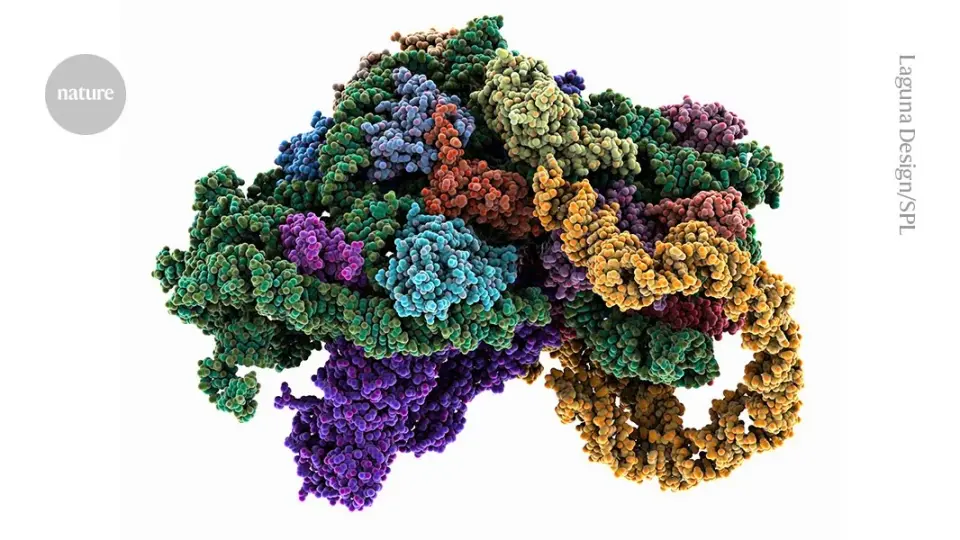
Scientists are increasingly bypassing living cells to synthesize proteins and create biosensors using cell-free transcription and translation systems. By extracting cellular machinery from organisms like E. coli or plants, researchers can accelerate the design-build-test cycle from weeks to hours, enabling the production of toxic compounds and the rapid iteration of sensors for contaminants like lead and copper. While these systems offer high customizability and avoid the risks of releasing genetically modified organisms, they face significant challenges regarding cost, energy depletion, and scalability compared to traditional cell-based methods.
Key points
- Cell-free systems allow for rapid protein synthesis by removing cell walls and using the internal machinery, bypassing the biological constraints and survival priorities of living cells.
- The technology enables the creation of biosensors, such as the ROSALIND system, which can detect contaminants like lead and copper in water without requiring living organisms, reducing environmental release risks.
- Machine learning is being integrated with cell-free systems to iteratively design and test mutant proteins, significantly speeding up the optimization process for specific detection capabilities.
- Commercial kits like NEBExpress and myTXTL are available, but costs remain high, with reagents for a litre-scale system exceeding $4,000, though some labs have optimized recipes to reduce costs by 95%.
- Researchers are exploring diverse sources for cell-free lysates, including human cell lines and plant chloroplasts, to address specific needs like post-translational modifications or to avoid issues with nuclear DNA silencing.
Background
This development builds on earlier advancements in synthetic biology and bioengineering, where the focus has been on improving the efficiency and control of biological systems. Previous research, such as the development of Malva for RNA search and studies on T cell memory, highlights the growing trend towards precise, data-driven approaches in biology. The shift towards cell-free systems represents a further step in decoupling biological functions from the complexities of living organisms, aligning with broader efforts to make biotechnology more accessible and controllable.
Why it matters
Cell-free systems offer a faster, more flexible, and potentially safer alternative to traditional cell-based methods for protein synthesis and biosensor development. This technology could accelerate the development of vaccines, diagnostics, and environmental monitoring tools, while reducing the risks associated with genetically modified organisms. However, the high cost and limited scalability of these systems remain significant barriers to widespread adoption, particularly for large-scale production.
What to watch
Researchers are likely to continue optimizing the cost and efficiency of cell-free systems, exploring new sources for lysates, and integrating machine learning to further accelerate the design and testing of proteins and sensors. The development of freeze-dried formulations for on-demand synthesis and portable diagnostics is also expected to expand the applications of this technology.
Want the full story? Read the original reporting
Read on Nature