
De-extinction giant Colossal sues former VP for alleged trade secret theft
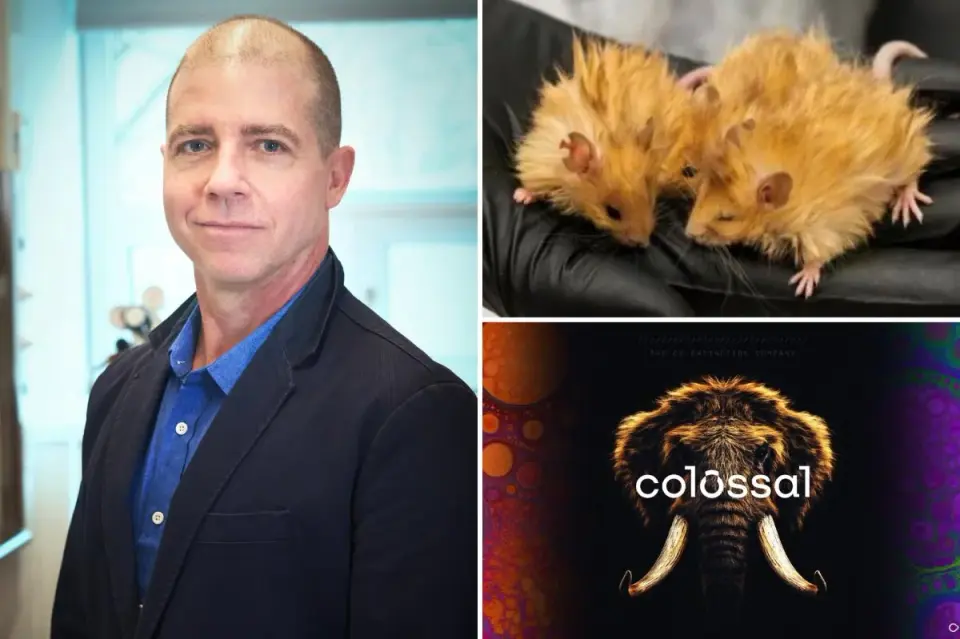
Colossal Biosciences has filed a federal lawsuit in Texas against former vice president James Kehler, accusing him of stealing proprietary scientific data and sharing it with rival labs. The suit alleges Kehler transferred confidential files to personal devices before resigning in April 2026 to join competitor Neion Bio. The company claims this breach threatens its ability to revive extinct species like the woolly mammoth and dodo, seeking damages for the alleged misappropriation of its core competitive advantage.
Key points
- Colossal Biosciences, a Dallas-based startup focused on de-extinction, filed a lawsuit in Austin federal court on November 6, 2026, against former VP of animal sciences James Kehler.
- The complaint alleges Kehler breached three contracts by moving confidential information from his work laptop to personal cloud accounts and devices prior to his resignation.
- Kehler is accused of joining Neion Bio as Head of Avian Sciences around April 14, 2026, where he allegedly used and disclosed Colossal’s trade secrets.
- The suit also links Kehler to Felix Pets, a startup developing hypoallergenic cats using gene-editing technology that Colossal claims relies on the same underlying research as its de-extinction work.
- Colossal, which has raised over $435 million since its 2021 founding, argues that unauthorized disclosure of its data would allow competitors to replicate years of work in weeks, causing irreparable harm to its mission.
- The company is represented by attorney Alex Spiro of Quinn Emanuel, and Kehler has not yet responded to requests for comment.
Background
This case follows a pattern of intellectual property disputes in the biotech sector, such as the September 2026 lawsuit by Beam Therapeutics against a former scientist for allegedly stealing data for a Chinese startup. Colossal Biosciences, co-founded by Ben Lamm and geneticist George Church, has attracted high-profile investors including Peter Jackson and Paul Tudor Jones, and recently secured a $200 million funding round in January 2025 that valued the company at $10.2 billion. The firm has previously demonstrated its technology by creating 'woolly mice' and dire wolf-like gray wolves, aiming to restore biodiversity by reviving species like the thylacine and dodo.
Why it matters
The lawsuit highlights the intense legal and ethical stakes surrounding proprietary genetic research in the emerging de-extinction industry. If Colossal’s claims are substantiated, it could set a precedent for protecting trade secrets in high-value biotech ventures, potentially impacting how companies safeguard sensitive data on genome editing and stem cell reprogramming. The case also underscores the competitive tension between startups like Colossal and rivals such as Neion Bio and Felix Pets, where the speed of scientific replication is a critical factor in market advantage and funding valuation.
What to watch
The case will proceed through the U.S. District Court for the Western District of Texas. Colossal is seeking damages and likely injunctive relief to prevent further use of its confidential information. The outcome may depend on forensic evidence of file transfers and the legal definition of trade secrets in the context of avian and mammalian de-extinction research. Kehler may contest the allegations, potentially arguing that the information was not sufficiently confidential or that his new roles did not directly utilize Colossal’s specific proprietary methods.
Want the full story? Read the original reporting
Read on New York Post