Tag

De Extinction

All articles tagged with #de extinction

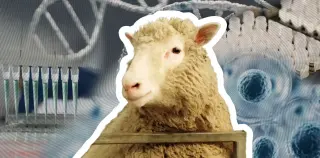
Colossal’s de-extinction bid stirs science and ethics debate
science24 days ago

Colossal’s de-extinction bid stirs science and ethics debate

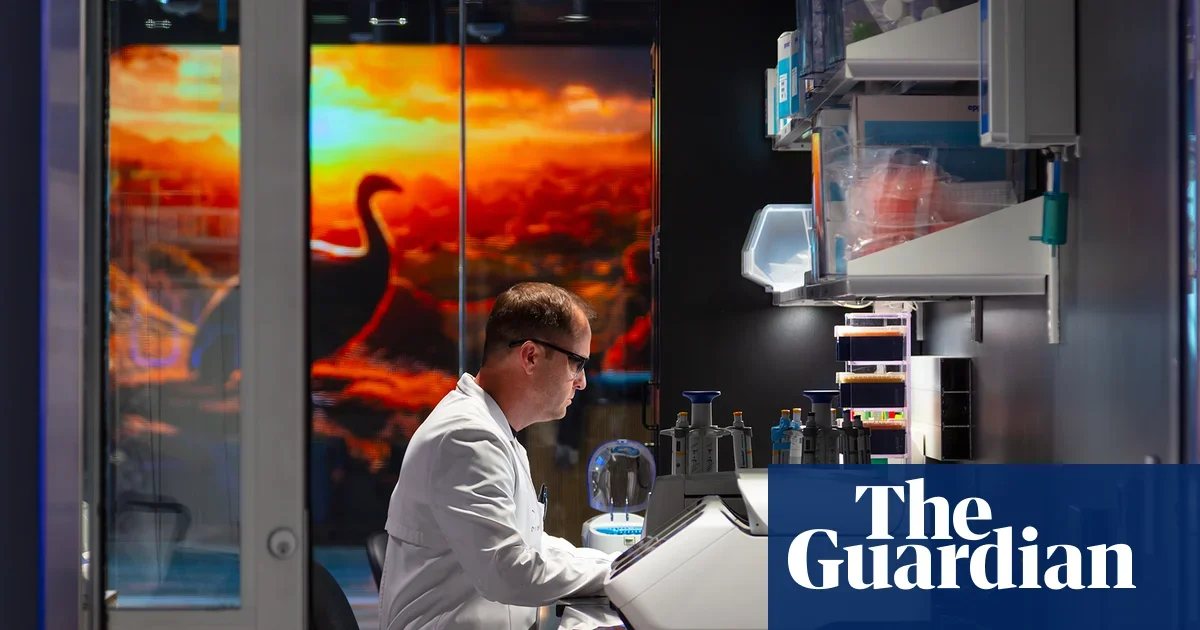
Dallas-based Colossal Biosciences is pursuing revival of extinct species—including dire wolves and the dodo—using ancient DNA and CRISPR. The effort has drawn praise for pushing conservation tech and public engagement, but also sharp criticism from scientists who question feasibility and ecological risks, warn against conflating revived animals with extinct ones, and worry about undermining habitat protection; supporters see potential conservation benefits and genetic diversity applications, while critics urge caution and rigorous science.

Mammoth Comeback: Colossal’s Genome Quest to Rebuild an Ice-Age Giant
science1 month ago

Mammoth Comeback: Colossal’s Genome Quest to Rebuild an Ice-Age Giant

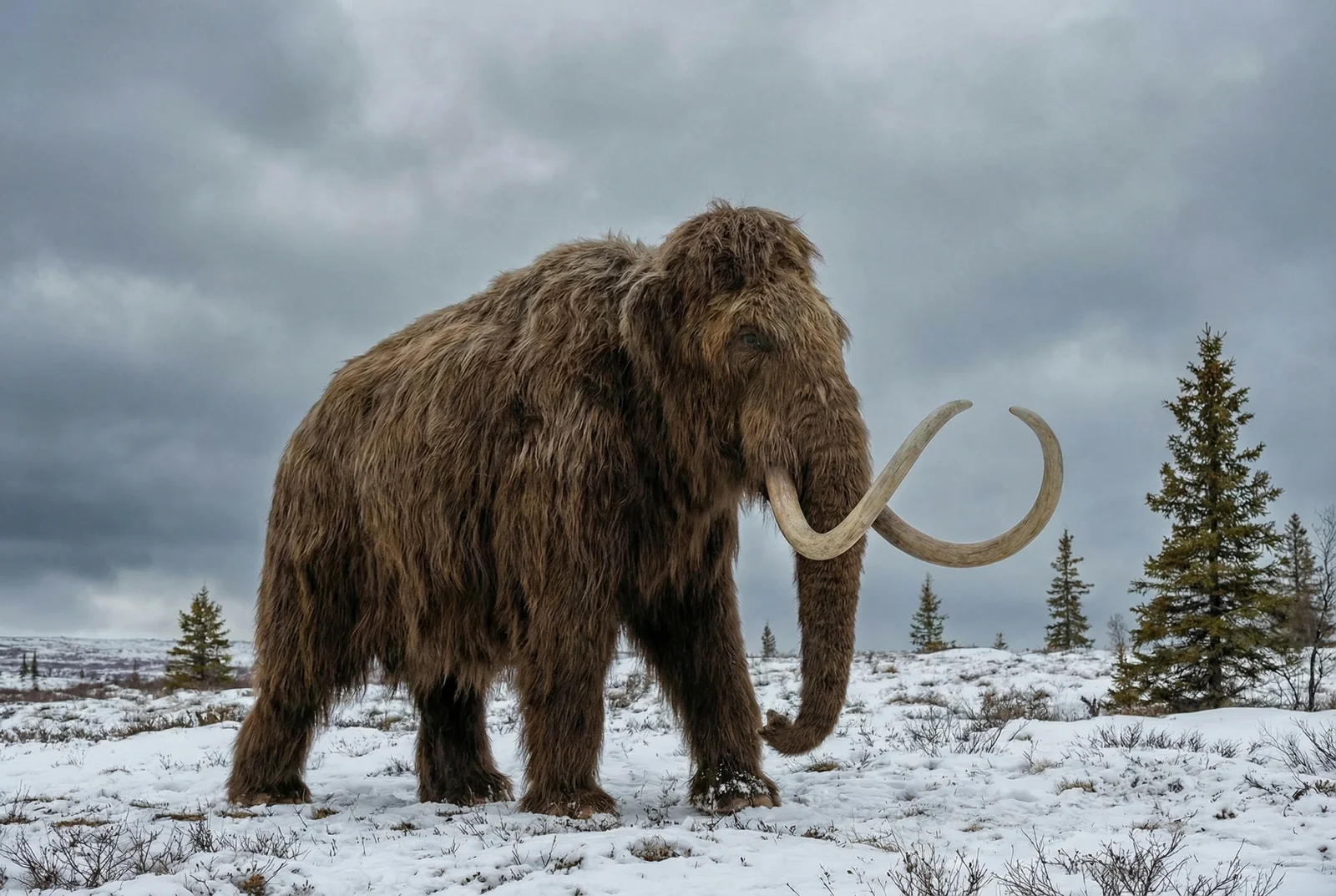
Colossal Biosciences is assembling hundreds of mammoth genomes to guide edits in the Asian elephant genome, testing changes in mice before attempting embryonic cloning to produce mammoth-like calves (potentially by 2028). The project aims to restore ecological roles of mammoths and advance conservation tools, but it faces scientific and ethical debate about whether this constitutes true de-extinction and how it would be implemented in Arctic ecosystems.

Colossal's Genetically Engineered Animals: Reality or Fiction?
science3 months ago

Colossal's Genetically Engineered Animals: Reality or Fiction?

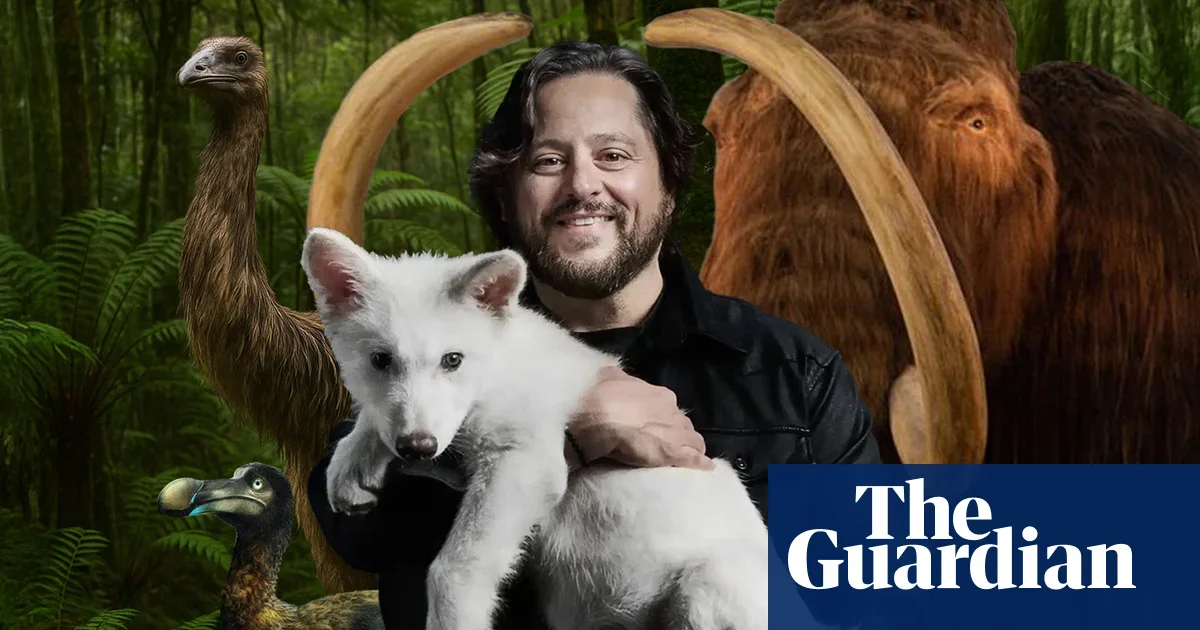
Colossal Biosciences, led by Ben Lamm, claims to have made progress in de-extincting species like the dire wolf and woolly mammoth through genetic engineering, but scientists remain skeptical, arguing that these are not true resurrected species but genetically edited animals that do not fully replicate the original extinct species. Critics warn that overhyping such claims can undermine scientific trust and emphasize that traditional conservation efforts remain essential.

Neanderthals Could Be Recreated in 20 Years: Should We?
science5 months ago

Neanderthals Could Be Recreated in 20 Years: Should We?

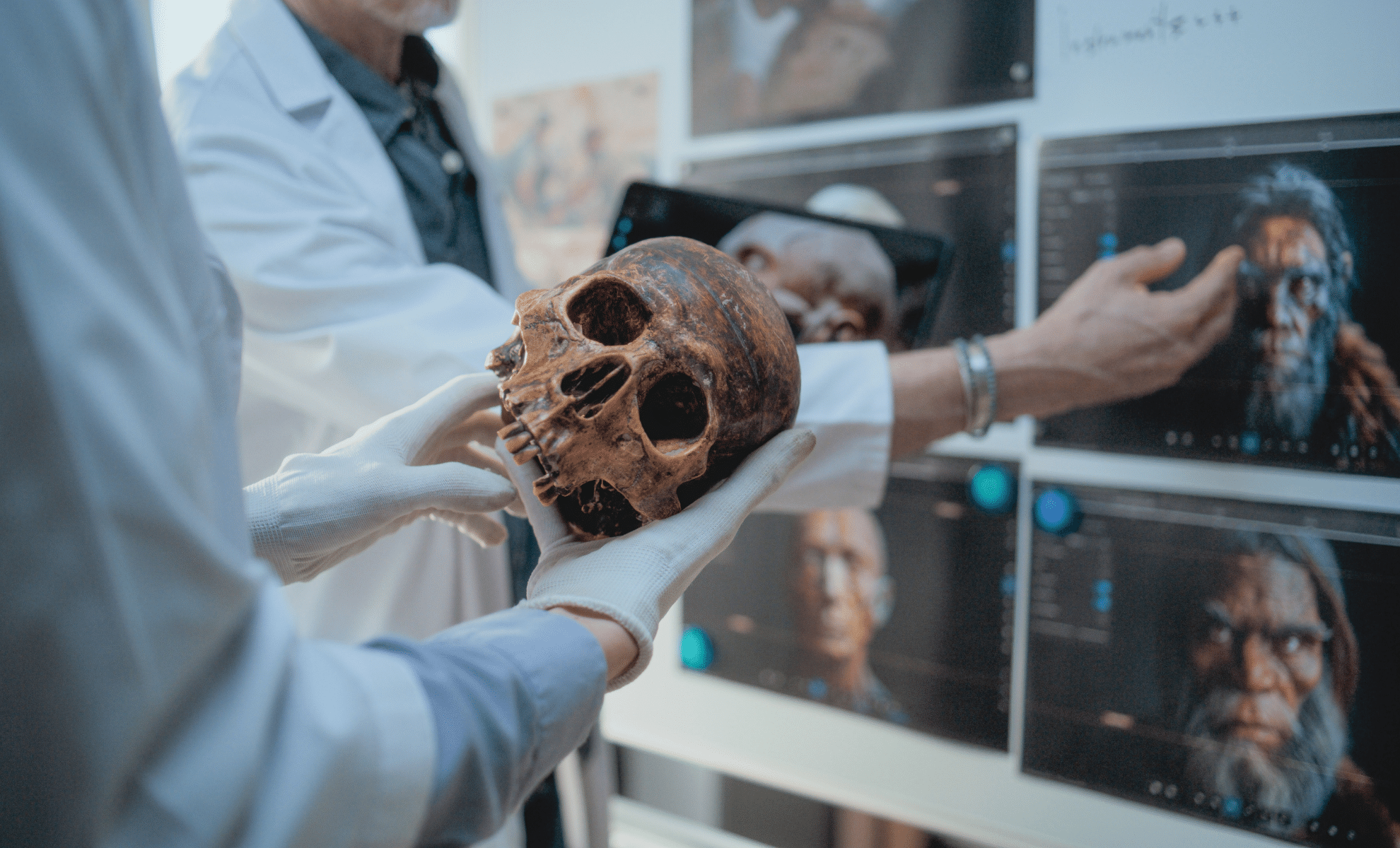
Scientists are close to potentially bringing back Neanderthals within 20 years using advanced genetic technologies like CRISPR, but this raises significant ethical, legal, and practical concerns, including the feasibility of the process, the well-being of any resurrected individuals, and the moral implications of creating a new human-like species. Most experts agree that such efforts are currently unwise and ethically problematic, emphasizing the importance of preserving existing human and animal species instead.

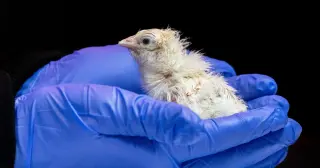
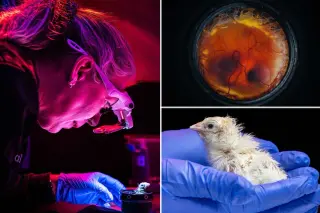
Scientists and startups make strides toward bringing back the dodo bird
science6 months ago

Scientists and startups make strides toward bringing back the dodo bird

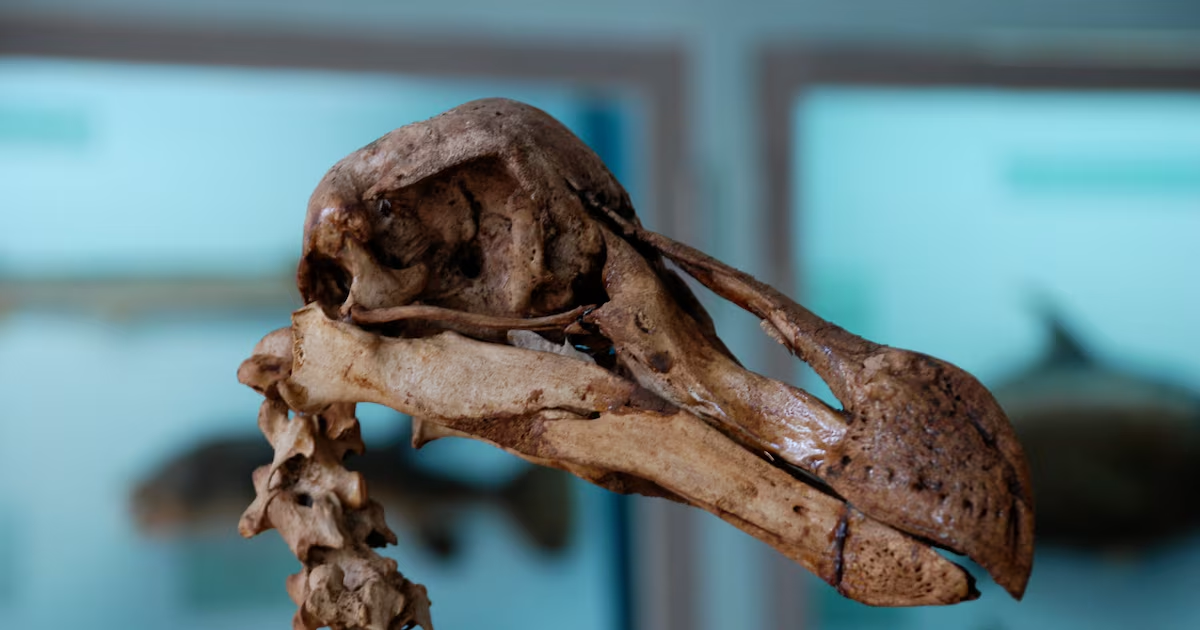
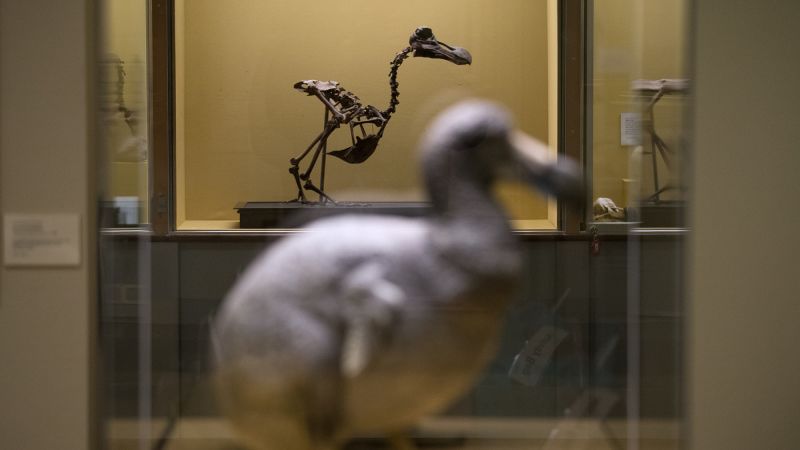
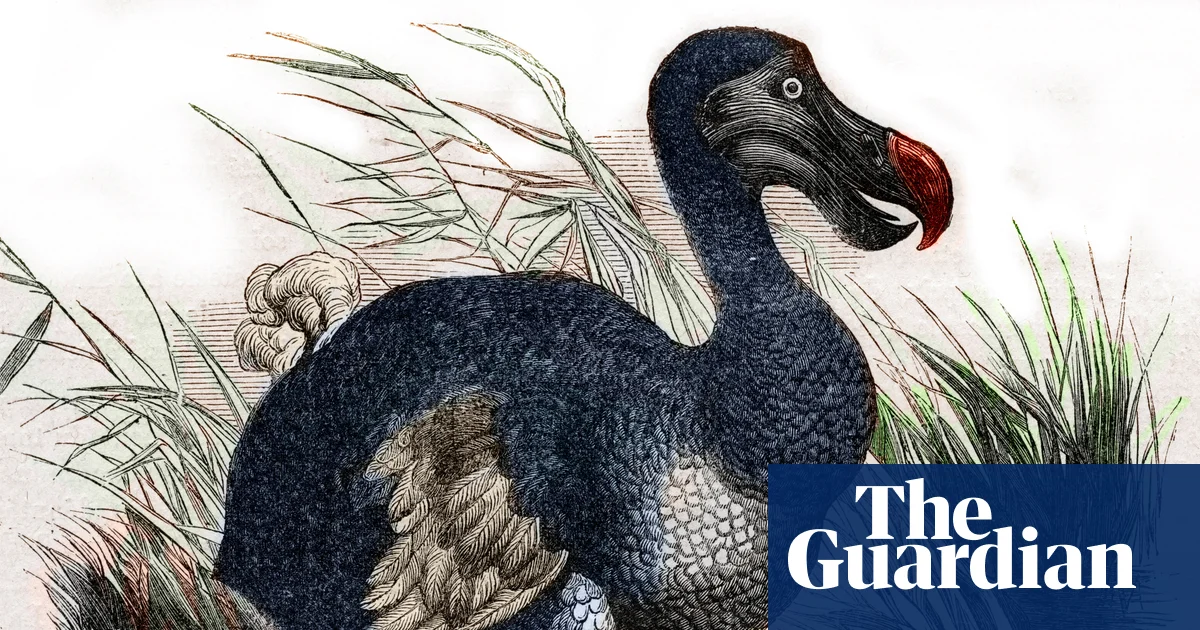
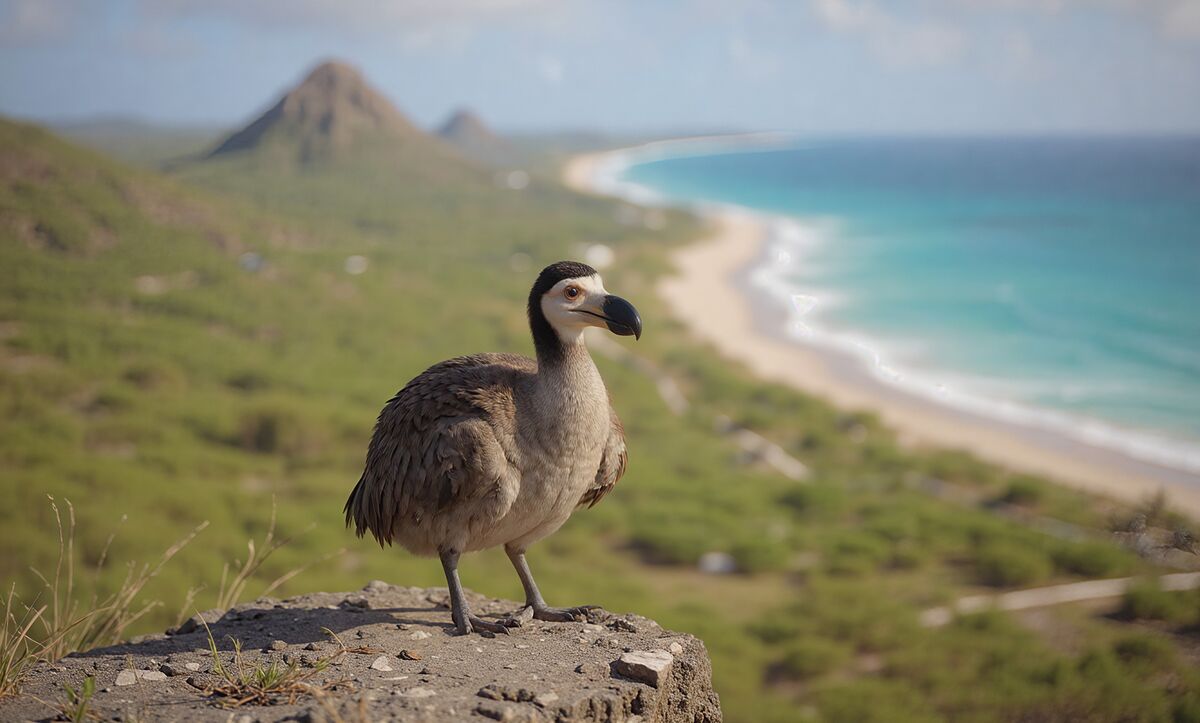
Scientists at Colossal Biosciences have achieved a major breakthrough in de-extinction by successfully growing primordial germ cells from pigeons, the closest relatives of dodos, marking a pivotal step toward potentially bringing the dodo back to life within the next five to seven years using gene editing and surrogate chickens. The project aims to reintroduce the species to Mauritius, but experts caution about ecological and ethical challenges involved.

De-Extinction Efforts Aim to Bring Back the Giant Moa and Shift Earth's Poles
science9 months ago

De-Extinction Efforts Aim to Bring Back the Giant Moa and Shift Earth's Poles

This week in science news, Earth's days are slightly shortening due to lunar gravitational effects, giant moa birds may be resurrected through de-extinction efforts, Earth's poles are shifting because of large dams, and new cosmic structures like the 'Cosmic Owl' have been observed by the James Webb Space Telescope. Additionally, climate-related health issues such as hyponatremia are increasing with global warming.

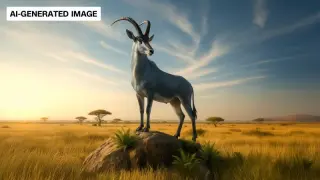
Colossal Biosciences Aims to Resurrect Extinct Giant Moa in Next Decade
science9 months ago

Colossal Biosciences Aims to Resurrect Extinct Giant Moa in Next Decade

Colossal Biosciences is working to resurrect New Zealand’s extinct giant moa using advanced genetic techniques, collaborating with indigenous groups and scientists, with aims to complete genome sequencing by 2026. The project sparks ethical debates about de-extinction's role in conservation and ecological impact, but also highlights the potential to restore lost biodiversity.