Tag

Colossal Biosciences

All articles tagged with #colossal biosciences

Chicks from artificial eggshell spark moa revival hopes and ethical debates
science6 days ago

Chicks from artificial eggshell spark moa revival hopes and ethical debates

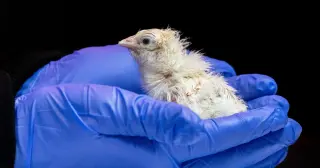
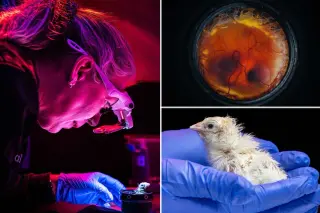
Colossal Biosciences announced it hatched 26 chicks from a 3D-printed artificial eggshell as part of its de-extinction efforts to resurrect the extinct 12-foot moa. The system uses a membrane-enabled shell but omits other egg components, prompting scientists to note it is not a true artificial egg and that reviving the moa remains speculative. If progress continues, challenges include validating DNA, scaling to larger eggs, ecological fit, and ethical considerations, though the company argues the platform could aid endangered birds and embryo rescue.

Breakthrough artificial eggs hatch chicks, boosting de-extinction hopes
science7 days ago

Breakthrough artificial eggs hatch chicks, boosting de-extinction hopes

Colossal Biosciences hatched 26 healthy chicks from a 3D-printed titanium artificial egg with a silicone membrane, proving a shell-free avian development system that could aid conservation and pave the way for reviving extinct birds like the moa and dodo; they aim for moa revival in New Zealand in the early- to mid-2030s, in collaboration with Ngāi Tahu and Peter Jackson, with future tests on larger eggs (emu/ostrich) to scale the technology.

Colossal plots bluebuck revival using a roan surrogate and gene editing
science26 days ago

Colossal plots bluebuck revival using a roan surrogate and gene editing

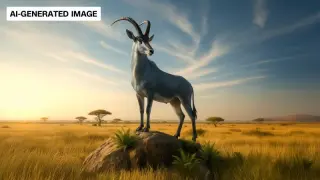
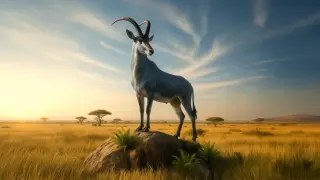
Colossal Biosciences unveiled a plan to revive the extinct African bluebuck by editing roan antelope DNA and using a roan as a surrogate mother, aided by breakthroughs like roan ovum pickup and roan-derived induced pluripotent stem cells; the company hopes for a birth in coming years and a future reintroduction within the bluebuck’s historic Southern Africa range, though conservation scientists question the practical value and ecological viability of such de‑extinction efforts.

Colossal Eyes 2028 Birth for Bluebuck in De-Extinction Drive
science26 days ago

Colossal Eyes 2028 Birth for Bluebuck in De-Extinction Drive

Colossal Biosciences says it has bluebuck DNA, has mapped it, and is in the final phase of genomic editing for a 2028-ish birth via a surrogate, part of a broader de-extinction portfolio aimed at re-wilding in native habitats with government and indigenous partners; critics warn of ecological risks and question practicality, while the company says the work focuses on ecosystem benefits rather than zoos.

Colossal’s de-extinction bid stirs science and ethics debate
science2 months ago

Colossal’s de-extinction bid stirs science and ethics debate

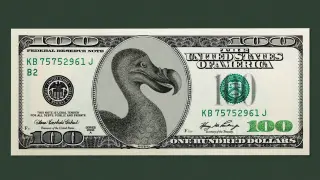
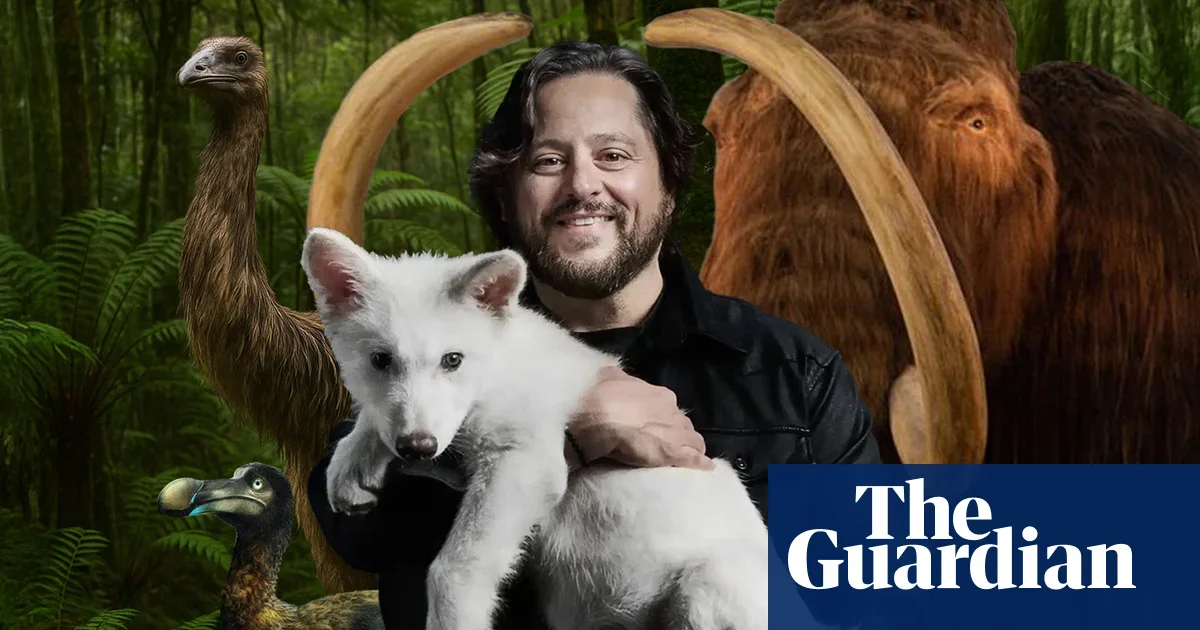
Dallas-based Colossal Biosciences is pursuing revival of extinct species—including dire wolves and the dodo—using ancient DNA and CRISPR. The effort has drawn praise for pushing conservation tech and public engagement, but also sharp criticism from scientists who question feasibility and ecological risks, warn against conflating revived animals with extinct ones, and worry about undermining habitat protection; supporters see potential conservation benefits and genetic diversity applications, while critics urge caution and rigorous science.

Dire Wolves Grow Up at Colossal Biosciences, Snacking on Deer Marks Maturation
science3 months ago

Dire Wolves Grow Up at Colossal Biosciences, Snacking on Deer Marks Maturation

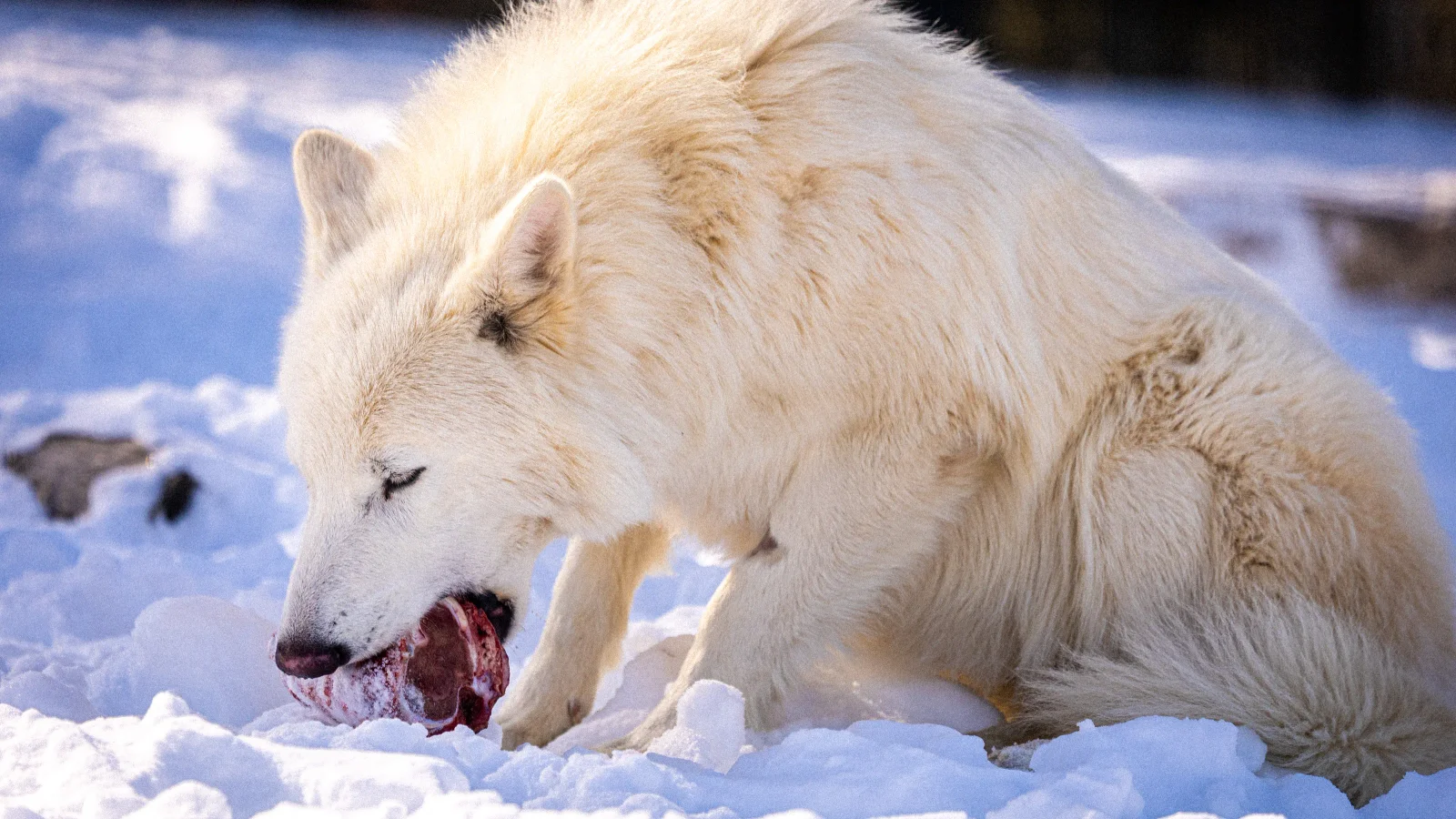
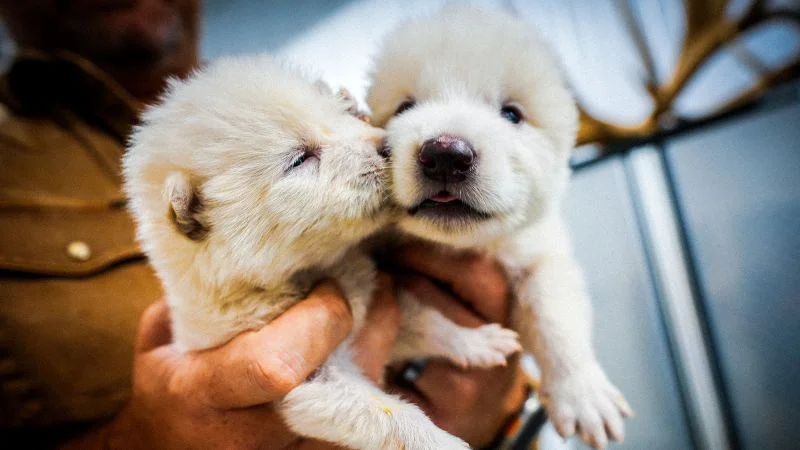
Colossal Biosciences has brought dire wolves Romulus and Remus to life from ancient DNA, raised with surrogate dog mothers, and they are now about 16 months old with maturation to around age three. They recently fed on their first deer carcass and also catch small prey on Colossal’s 2,000+ acre preserve, illustrating their wolf nature rather than domestication. A female pup named Khaleesi, born Jan. 2025, rounds out the trio. They’re friendly toward staff when fed but remain wild wolves, not pets.

Dubai unveils a high-tech biovault to safeguard thousands of species
environment3 months ago

Dubai unveils a high-tech biovault to safeguard thousands of species

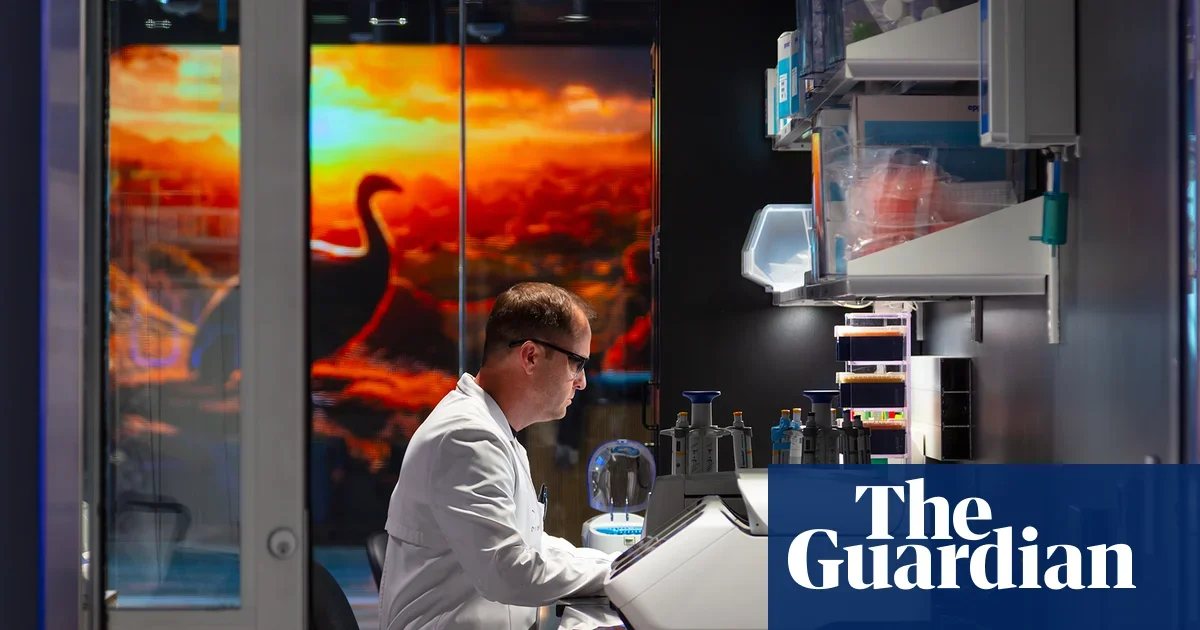
Colossal Biosciences is building a biovault inside Dubai’s Museum of the Future to store frozen tissue samples from up to 10,000 species, part of a broader biodiversity preservation effort that could also support future revival work. The UAE facility echoes seed vault concepts like the Arctic’s Svalbard and comes alongside other cryopreservation programs, but experts caution that cryobanking alone isn’t a substitute for habitat protection and call for clear governance and regulatory frameworks as it expands globally.

Colossal's Genetically Engineered Animals: Reality or Fiction?
science4 months ago

Colossal's Genetically Engineered Animals: Reality or Fiction?

Colossal Biosciences, led by Ben Lamm, claims to have made progress in de-extincting species like the dire wolf and woolly mammoth through genetic engineering, but scientists remain skeptical, arguing that these are not true resurrected species but genetically edited animals that do not fully replicate the original extinct species. Critics warn that overhyping such claims can undermine scientific trust and emphasize that traditional conservation efforts remain essential.

Tom Brady Clones His Dog: Costs and Controversies
entertainment6 months ago

Tom Brady Clones His Dog: Costs and Controversies

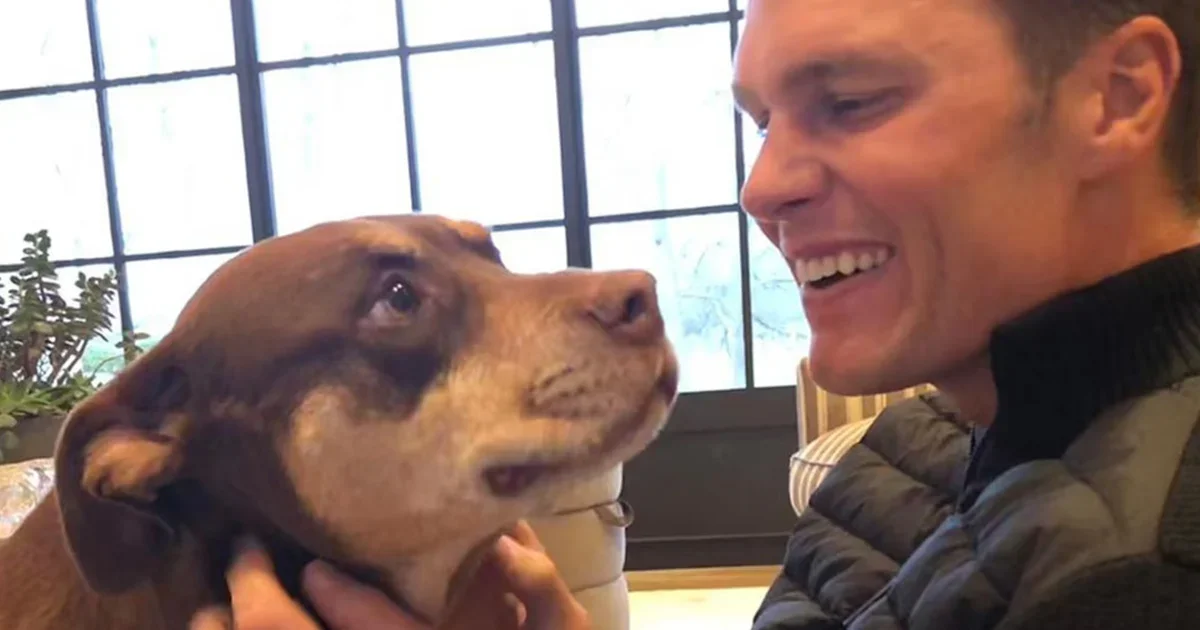
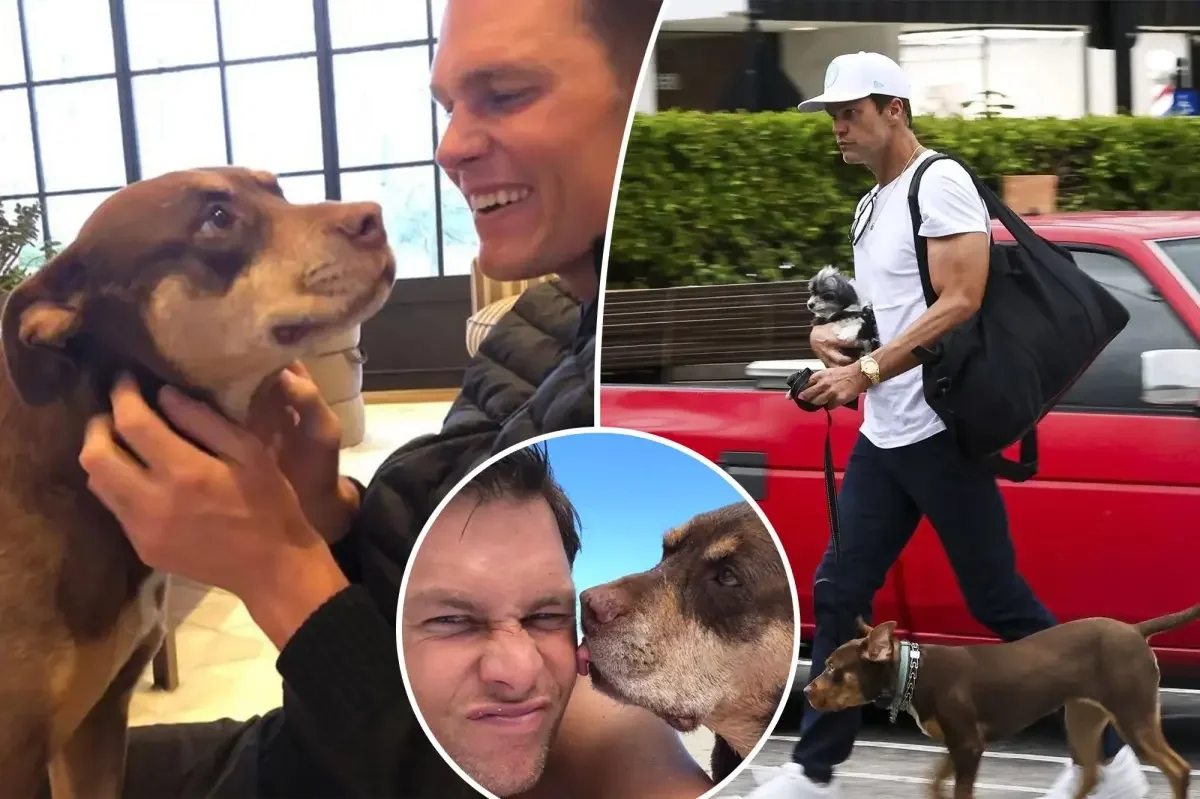
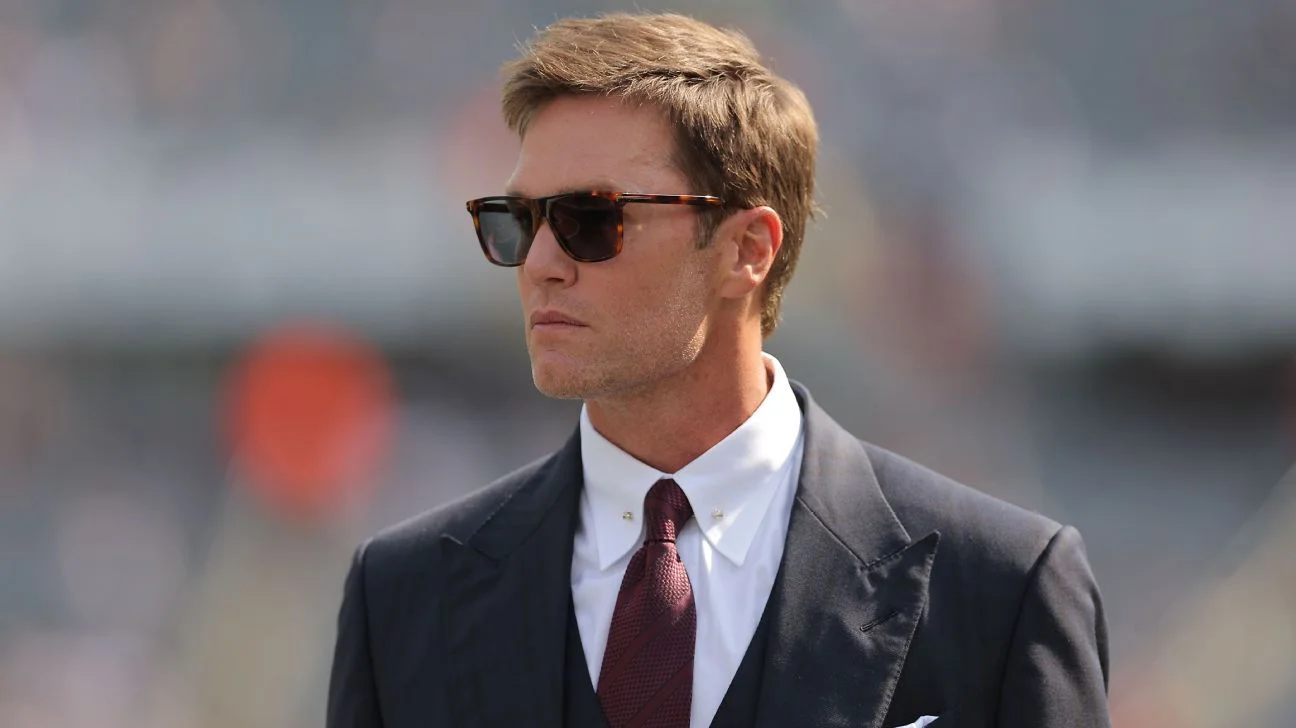
Tom Brady revealed he cloned his beloved dog Lua, who passed away in 2023, using Colossal Biosciences' technology, costing around $50,000. The process involves somatic cell nuclear transfer, creating an identical genetic copy, though behavioral traits may vary. Cloning pets is controversial, with costs comparable to buying a car, and other celebrities like Paris Hilton and Barbra Streisand have also cloned their pets.

Tom Brady Confirms His Dog Junie Is a Clone of Beloved Pet Lua
entertainment6 months ago

Tom Brady Confirms His Dog Junie Is a Clone of Beloved Pet Lua

Tom Brady revealed his dog Junie is a clone of his late family pet Lua, created by biotech company Colossal Biosciences, which he invested in. The cloning was done using a blood sample collected before Lua's death, offering his family a chance to have a part of their beloved pet again. The companies involved aim to expand cloning services for pets and conservation efforts.