
RISD Graduates Launch 'Eating the Whole Fish' to Revive New England Seafood Culture
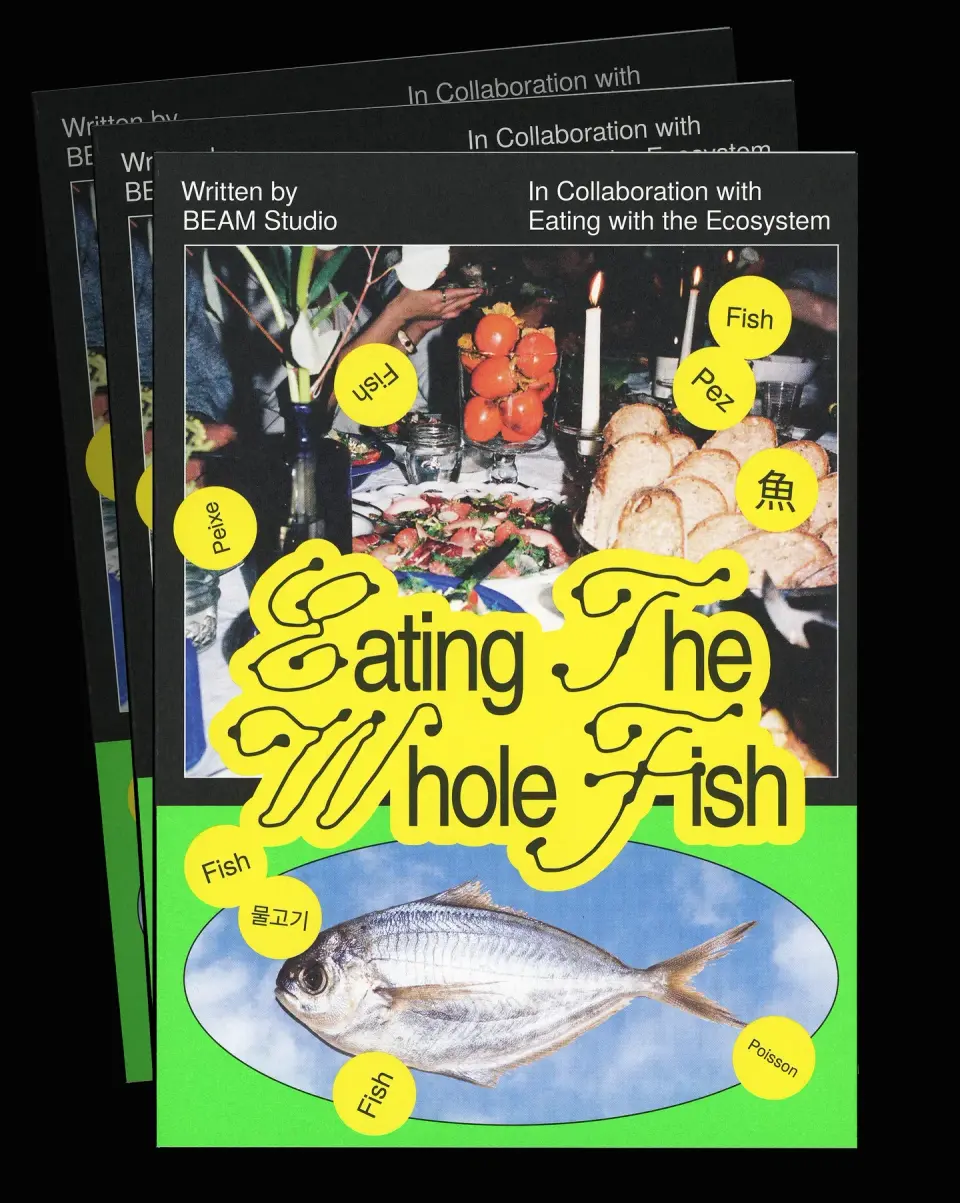
A 200-page publication by Rhode Island-based studio Beam aims to bridge the gap between local marine abundance and consumer habits by teaching people how to cook whole fish. The project, titled 'Eating the Whole Fish,' combines recipes, scientific data, and cultural history to address the disconnect between New England’s waters and its residents' dietary preferences.
Key points
- Beam, a studio founded in 2024 by RISD graduates Zoe Lee and Annie Chen, along with director Ryan Lettieri, created the magazine to address the underutilization of local fish species in New England.
- The 200-page publication functions as a hybrid of cookbook, cultural archive, and research paper, featuring interviews with chefs, fishermen, and scientists.
- The project originated from a question posed by Kate Masury of the nonprofit Eating with the Ecosystem regarding how to encourage eating with local waters.
- A primary barrier identified is that many local species are best prepared whole, a method unfamiliar to consumers accustomed to boneless fillets.
- The design incorporates checkerboard patterns, anatomical diagrams, and pixel motifs to blend playfulness with legibility, reflecting the diverse influences of diasporic and Indigenous food cultures.
Background
This release follows a broader trend in 2026 of design studios using publishing to address environmental and social issues. Earlier this year, coverage of the USC trial on fish oil highlighted public interest in the health implications of seafood consumption, while other cultural discussions, such as the backlash against Alix Earle's reading habits, underscored the public's engagement with media narratives about knowledge and consumption. Beam's work aligns with their previous collaborations with NASA and MIT, focusing on translating complex environmental data into accessible, human-centered design.
Why it matters
The initiative addresses a critical disconnect in local food systems by providing practical tools for consumers to engage with sustainable, local seafood. By reframing the consumption of whole fish as a cultural and culinary opportunity rather than a barrier, the project aims to strengthen the economic viability of local fishermen and foster a deeper connection between coastal communities and their marine ecosystems.
What to watch
The studio hopes that the curiosity generated by the magazine will translate into tangible changes in how people buy, cook, and eat seafood. They aim to create more opportunities for local fishermen and strengthen the connections between coastal communities and the waters that sustain them, potentially influencing future policy or consumer behavior in the New England region.
Want the full story? Read the original reporting
Read on It's Nice That