
Global Night Sky Brightens as Artificial Light Expands by 16%
TL;DR
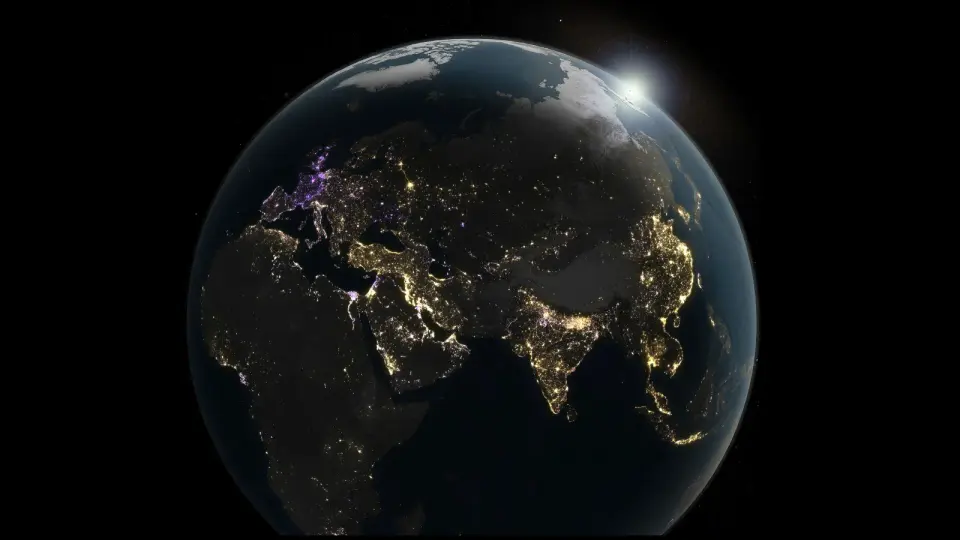
A Nature study using satellite imagery finds artificial nighttime lights increased worldwide by about 16% from 2014 to 2022, with the United States having the highest total luminosity in 2022 and regional variations driven by conflict and disasters (notably Europe dimming during the Russia–Ukraine energy crisis). The rise in light pollution affects wildlife by disrupting sleep, navigation, and feeding, and can disrupt human circadian rhythms; the issue is reversible and individual actions—such as dimming outdoor lighting and using shields—can help, with tools like the Light Pollution Map and DarkSky resources available for guidance.
Topics:scienceenvironment#artificial-lighting#circadian-rhythm#environment#light-pollution#night-sky#wildlife-impact
Want the full story? Read the original reporting
Read on USA Today