Tag

Light Pollution

All articles tagged with #light pollution

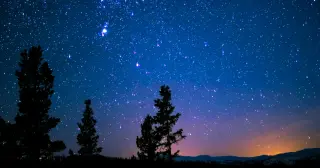
Global night glow up 16% since 2014, with pockets of dimming from conflict and policy
space16 hours ago

Global night glow up 16% since 2014, with pockets of dimming from conflict and policy

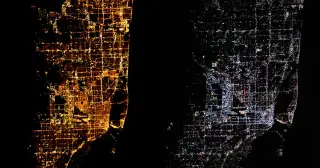
A Nature-published study using NASA’s VIIRS satellite data finds Earth’s night-time artificial lighting brightened by about 16% from 2014 to 2022, driven mainly by developing regions such as India, China and parts of Africa, indicating rising electricity access and activity. Yet some regions dimmed due to wars, disasters, or effective energy-saving policies (e.g., Ukraine, France), producing a flickering pattern rather than uniform brightening. The results highlight regional variability and note LED lighting can affect satellite measurements, with dimming areas expanding in certain regions even as overall brightness rises.

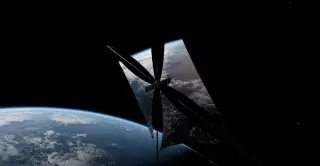
Startup Proposes 4,000 Orbital Sky Mirrors to Shine Daylight After Dusk, Draws Astronomers’ Fears
technology2 days ago

Startup Proposes 4,000 Orbital Sky Mirrors to Shine Daylight After Dusk, Draws Astronomers’ Fears

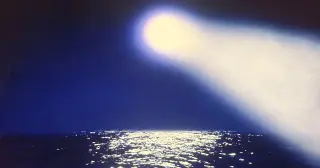
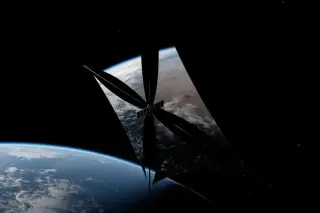
A California startup, Reflect Orbital, plans a constellation of up to 4,000 low-Earth-orbit satellites each carrying large tilting reflectors to redirect sunlight toward Earth after sunset, potentially delivering daylight-like illumination for hours. A demonstration mission (Eärendil-1) is in the works, with ambitions to scale to tens of thousands of satellites, raising major concerns among astronomers and ecologists about night-sky brightness, wildlife impacts, and orbital congestion before any large-scale deployment.

Satellites Flood the Night Sky: A Photographer’s Heartbreak and a Widening Light-Pollution Crisis
photography17 days ago

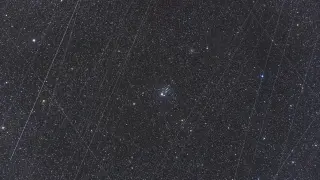
Satellites Flood the Night Sky: A Photographer’s Heartbreak and a Widening Light-Pollution Crisis

A 30‑minute composite by Alan Dyer shows satellite trails across the night sky, illustrating how the rapid growth of orbital satellites is increasing light pollution for astrophotography. A 2025 survey found 90% of astrophotographers affected; with Starlink's 10,000th satellite launched and estimates of tens of thousands more, experts warn the practice could degrade night-sky photography unless shooters time sessions to minimize satellite trails.

SpaceX Reaches 10,000 Satellites, Night Sky Art Exposes Light Pollution
space20 days ago

SpaceX Reaches 10,000 Satellites, Night Sky Art Exposes Light Pollution

SpaceX hit a milestone by launching its 10,000th satellite into low-Earth orbit, and photographer Joshua Rozells captured the night-sky impact in a 343-frame composite that highlights satellite trails. The image amplifies concerns about satellite light pollution affecting astrophotography and astronomy, and it spotlights regulatory gaps while acknowledging the benefits of widespread internet access.

Ad truck glare sparks neighborhood debate on light pollution
lifestyle1 month ago

Ad truck glare sparks neighborhood debate on light pollution

A Reddit post shows a bright, illegally parked truck in an apartment parking lot used to sell advertising, drawing concerns about light pollution and wasted energy. Studies have found light pollution rising about 10% annually since 2011, contributing to higher energy use and carbon emissions. The piece suggests actions like switching to LED bulbs and closing blinds to reduce stray light and its environmental impact.

Bat-Friendly Red Streetlights Spark Denmark’s Urban Ecology Experiment
environment1 month ago

Bat-Friendly Red Streetlights Spark Denmark’s Urban Ecology Experiment

In Gladsaxe near Copenhagen, Denmark replaced standard white LED streetlights with red LEDs along Frederiksborgvej to protect a nearby bat colony and reduce light pollution, balancing driver safety with wildlife. The project is part of a broader EU Lighting Metropolis program advancing greener urban lighting aligned with UNDP sustainable-city goals.

Northern Lights Could Dazzle U.S. This Weekend, NOAA Forecasts Geomagnetic Activity
science1 month ago

Northern Lights Could Dazzle U.S. This Weekend, NOAA Forecasts Geomagnetic Activity

A NOAA‑issued G1 geomagnetic storm watch due to a high‑speed solar wind could bring the Northern Lights as far south as the U.S. border this weekend, with the best displays in northern states and parts of Canada. For optimal viewing, seek dark, north‑facing spots away from city lights between 10 p.m. and 2 a.m.; the near‑90% illuminated moon may wash out faint auroras, so long‑exposure photography can help capture them.

Sky Mirrors in Orbit Could Light After-Dark Earth, Sparking Astronomers' Alarm
space1 month ago

Sky Mirrors in Orbit Could Light After-Dark Earth, Sparking Astronomers' Alarm

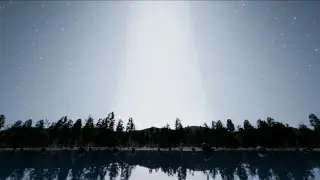
A California startup, Reflect Orbital, proposes a constellation of up to 4,000 sunlit satellites with large mirrors to redirect sunlight toward Earth after sunset for several minutes, testing with the Eärendil-1 demonstration (an ~18-by-18-meter reflector at ~600 km). The system would illuminate targeted areas briefly while in sunlight, potentially extending usable daylight for activities like solar power or night operations; future versions could have much larger mirrors. While the concept could aid nighttime tasks, astronomers warn it could brighten the sky and disrupt observations, worsen light pollution, and increase space debris, making the success of the initial demonstration crucial for determining whether the idea advances.

Dark skies saved: Chile plant near Paranal cancelled
space2 months ago

Dark skies saved: Chile plant near Paranal cancelled

A $10 billion plan to build a light-polluting green hydrogen plant near ESO’s Cerro Paranal observatory in Chile has been cancelled by AES Andes, relieving astronomers who warned the project would degrade the world-renowned dark skies and threaten facilities like the VLT and ELT. ESO calculations suggested up to a 35% increase in light pollution, which could undermine cutting-edge observations, prompting widespread concern in the astronomy community. The cancellation allows Paranal and Atacama-region telescopes to continue operating under optimal sky conditions while AES Andes shifts focus to renewable energy projects.

Night-Sky Brightening: 4,000 Orbital Mirrors Target Earth Illumination in 2026
spacescience2 months ago

Night-Sky Brightening: 4,000 Orbital Mirrors Target Earth Illumination in 2026

A California startup, Reflect Orbital, plans to deploy about 4,000 55-meter-wide mirrors in low Earth orbit to reflect sunlight back to Earth at night, with Earendil-1 launching in April 2026 to illuminate nighttime solar-power sites and other critical areas. The project has sparked backlash from astronomers, environmentalists, and sleep researchers due to potential sky brightness and telescope interference, as well as concerns about wildlife disruption and governance since private entities would control illumination. Simulations suggest beams could be bright enough to affect observations, and atmospheric scattering could spread light beyond the target zone, raising questions about data loss and fairness across borders.**

Leamington’s Greenhouse Boom Lights Up the Night Sky
environment-earth-science2 months ago

Leamington’s Greenhouse Boom Lights Up the Night Sky

NASA’s Earth Observatory uses Landsat 8 imagery to show Leamington, Ontario, expanding to about 8 square kilometers of greenhouses—the largest concentration in North America—producing year-round LED-lit glows visible at distances of tens of kilometers. A 2022 bylaw requires light-blocking curtains to reduce night-sky brightness, and studies indicate these curtains help when properly deployed, though cloud cover and the Moon still affect brightness. The growing glow also intersects with ecological concerns for migratory birds near Point Pelee.

Satellite proliferation jeopardizes space-based astronomy and research
science4 months ago

Satellite proliferation jeopardizes space-based astronomy and research

The increasing number of satellites, especially from megaconstellations like Starlink, is significantly impairing the ability of space telescopes like Hubble to capture clear images, with projections indicating a worsening problem that could hinder astronomical research and space safety. Solutions such as designing less reflective satellites and better coordination are urgently needed to ensure sustainable coexistence in space.