
Human Burning and Warming Reshape Andean Ecosystems: Study
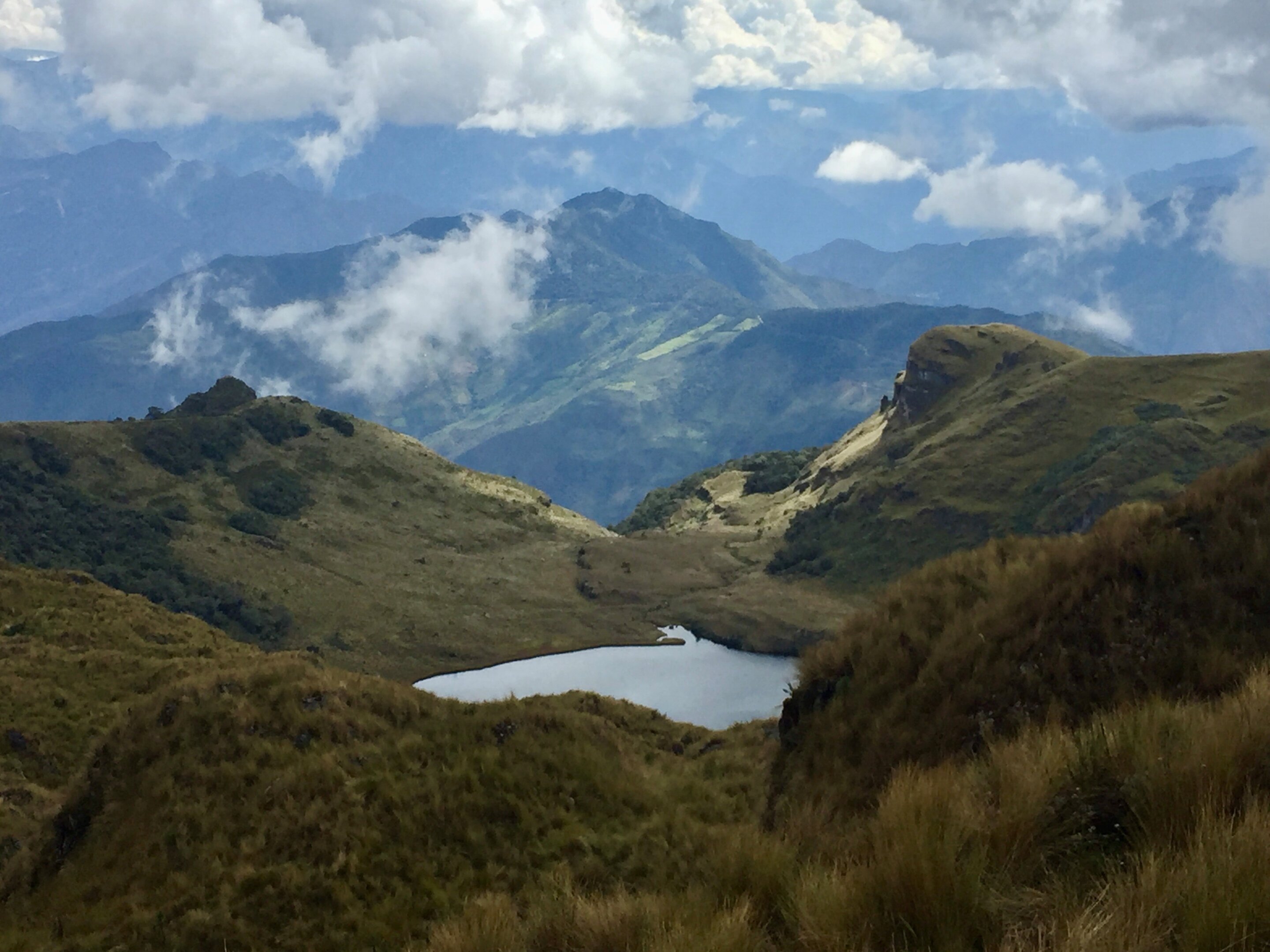
A new study published in Nature Communications reveals that the introduction of regular fire by humans in the Andean region around 15,000 years ago has significantly altered the local ecosystems. Researchers analyzed fossil pollen and charcoal samples from a sediment core in the Peruvian Andes, spanning the last 670,000 years, and found that the current high Andean grassland ecosystem is unique compared to previous interglacial periods. The study suggests that human burning practices, likely for hunting and promoting grass growth, have shaped the modern Andean grassland ecosystems for the past 4,000 years, indicating an early onset of the Anthropocene. Understanding the impact of human activities on tropical systems and their response to climate change is crucial for future ecological studies.
Reading Insights
0
10
2 min
vs 3 min read
77%
523 → 120 words
Want the full story? Read the original article
Read on Phys.org