
Transplanted Hearts Adopt Host’s Biological Age, Challenging Donor Age Limits
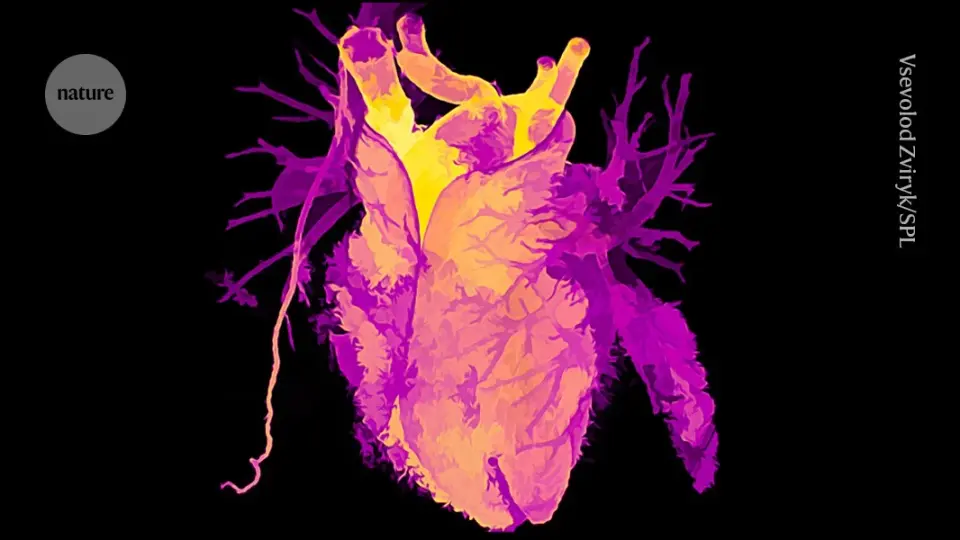
A new preprint study indicates that transplanted hearts rapidly adjust their biological age to match the recipient’s body, rather than retaining the donor’s age. This suggests that older donor hearts may be viable for younger recipients, potentially expanding the organ donor pool. The findings, based on mouse models and human biopsy data, show that the host’s systemic environment dictates the organ’s epigenetic aging markers, challenging current guidelines that prioritize younger donors.
Key points
- Research by Jesse Poganik at Harvard University shows that grafted hearts in mice and humans adopt the biological age of the recipient within four to six months.
- Young hearts transplanted into older recipients showed accelerated aging, while older hearts placed in younger recipients appeared rejuvenated, as measured by DNA methylation levels.
- Human data from 11 transplants with significant age gaps confirmed that the transplanted heart’s biological age tracked with the recipient, not the donor.
- Functional measures like exercise capacity and heart rate correlated with the recipient’s age, suggesting the host environment influences organ function.
- The study implies that donor age restrictions could be relaxed, as older hearts may function well in younger bodies, though some aging markers may be irreversible.
Background
Recent studies have explored organ-specific aging clocks and the impact of lifestyle factors like sleep on biological aging. A 2026 Cell Metabolism commentary emphasized that reversing aging requires both molecular and functional improvements, not just biomarker changes. This new research adds to the understanding of how systemic environments influence organ aging, building on previous findings that blood and immune factors can affect biological age across tissues.
How outlets are covering it
Nature and Scientific American highlight the potential for expanding donor pools by using older hearts for younger recipients, emphasizing the environmental influence on organ aging. MIT Technology Review and AOL.com frame the findings as a counter to the 'replacement theory' of longevity, noting that young organs do not rejuvenate the entire body. MIT Technology Review points out that the recipient’s immune system and overall body environment may dilute any rejuvenating effects of a young organ. AOL.com references Vladimir Putin’s past comments on organ transplantation for immortality, using the study to illustrate the complexity of aging reversal. All sources agree that the findings are preliminary and require further validation, but they differ in emphasis: Nature and Scientific American focus on practical implications for transplant medicine, while MIT Technology Review and AOL.com stress the limitations and complexity of aging reversal.
Why it matters
The study challenges current organ donation guidelines that prioritize younger donors, suggesting that older hearts could be suitable for younger recipients. This could increase the availability of donor organs, potentially saving more lives. However, the findings also highlight the complexity of aging, showing that not all aspects of biological age are reversible. The research underscores the need for further studies to determine the long-term functional outcomes of transplanted organs and to refine aging biomarkers for clinical use.
What to watch
Researchers will need to conduct larger, prospective studies to confirm the findings and assess the long-term functional outcomes of transplanted hearts. Clinical trials may explore the use of older donor hearts for younger recipients to evaluate safety and efficacy. Additionally, further research is needed to identify the specific mechanisms by which the host environment influences organ aging, potentially leading to new therapeutic approaches for rejuvenating organs or slowing aging in transplanted tissues.
- Old hearts age backwards: transplanted organs adjust to host's biological age Nature
- Donor hearts may take on the age of their new bodies Scientific American
- Young organs may not be a fountain of youth for recipients MIT Technology Review
- Putin's 'vampire' quest for immortality using organs of the young runs into trouble AOL.com
- Putin's 'vampire' transplant plan to live forever won't work, says science AOL.com
Want the full story? Read the original reporting
Read on Nature