
Florida Man’s Felony Charges for Destroying 3D-Printed Camera Decoy Reduced to Misdemeanors
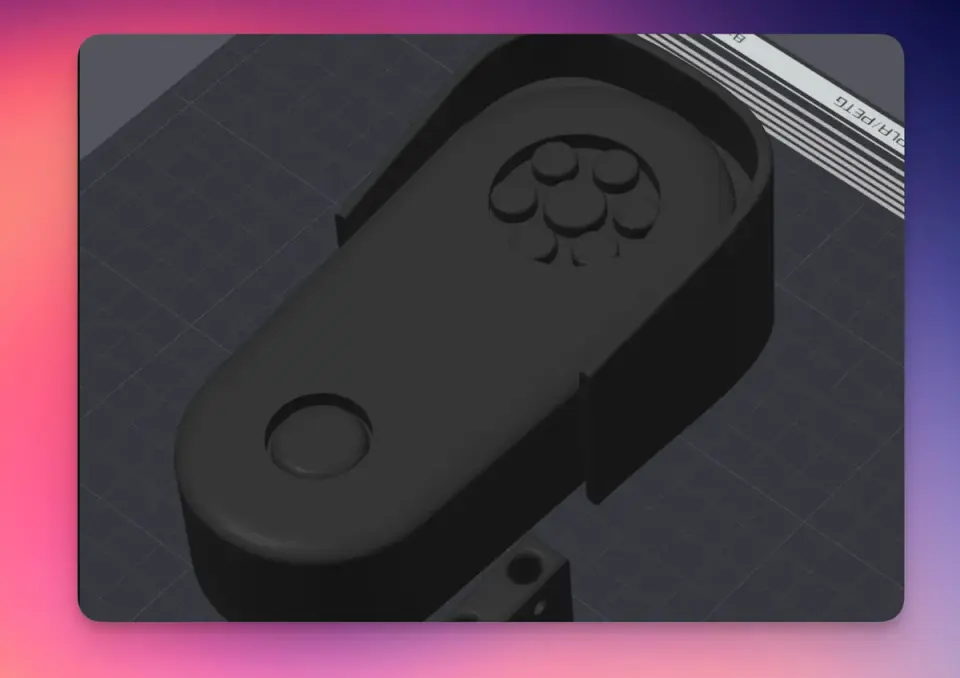
An assistant state attorney in Florida reduced three felony charges against Evan Meyer to two misdemeanors after acknowledging that the 3D-printed camera decoy he destroyed was valued at $200 or less. The original charges included grand theft and criminal mischief for property damage exceeding $1,000, but the new filing reflects the low actual value of the fake device.
Key points
- Evan Meyer was initially charged with three felonies for destroying a 3D-printed decoy camera in Oviedo, Florida, including destruction of computer equipment, criminal mischief for damage over $1,000, and grand theft.
- The charges were reduced to two second-degree misdemeanors after the state admitted the decoy camera was worth $200 or less.
- The new filing charges Meyer with damaging property valued at $200 or less and petty theft of less than $750.
- The Oviedo Police Department had previously refused to release records about the camera's construction, citing an ongoing criminal investigation.
- The reduction highlights the discrepancy between the initial felony charges and the actual low value of the 3D-printed shell used to deter vandals.
Background
This development follows earlier reports in August 2026 regarding the Oviedo Police Department's use of 3D-printed decoy Flock cameras to catch vandals. The strategy sparked privacy debates and a city council review, with the council planning to invite a Flock representative and consider discontinuing the cameras. Broader backlash against Flock license-plate cameras has grown due to privacy concerns, with activists challenging their use and several cities reworking contracts. Additionally, a Florida DOT order to remove state-road license-plate readers has not significantly reduced the surveillance network in South Florida, where Flock cameras remain pervasive.
Why it matters
The case illustrates the legal and ethical complexities of using low-value decoy technology to enforce high-level criminal charges. It raises questions about proportionality in law enforcement and the potential for overcharging individuals for destroying property that has minimal actual value. The reduction in charges may influence how other jurisdictions approach the use of decoy surveillance technology and the legal consequences for its destruction.
What to watch
Meyer will face trial on the two misdemeanor charges. The Oviedo City Council may continue its review of Flock camera usage, potentially leading to a decision to discontinue the cameras. The case may also prompt further scrutiny of the Oviedo Police Department's practices and the broader use of decoy technology in law enforcement.
Want the full story? Read the original reporting
Read on 404 Media