
China resolves Tiangong window breach with uncrewed rescue launch and 270-day orbital test
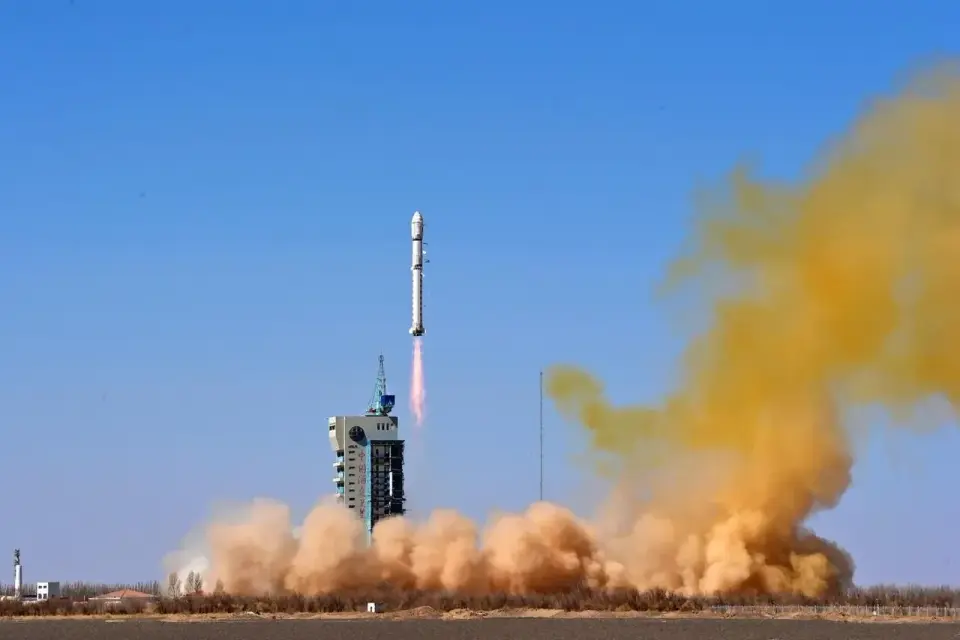
A suspected debris impact cracked the window of the Shenzhou 20 capsule docked at China's Tiangong space station, forcing an emergency response. The China Manned Space Agency (CMSA) launched an uncrewed Shenzhou 22 spacecraft in November 2025 to provide a safe return vehicle for the crew. The Shenzhou 20 astronauts returned safely on Shenzhou 21, while the damaged capsule remained in orbit for 270 days before landing uncrewed in January 2026.
Key points
- Shenzhou 20 astronauts discovered window cracks just before their scheduled departure, raising concerns about reentry safety.
- CMSA launched an uncrewed Shenzhou 22 from Jiuquan on November 25, 2025, to dock with Tiangong and provide a return vehicle.
- Shenzhou 20 crew returned to Earth on Shenzhou 21 on November 14, 2025, avoiding the damaged capsule.
- A specially developed device delivered by Shenzhou 22 was installed in Shenzhou 20 to improve thermal protection and sealing.
- Shenzhou 20 undocked and landed uncrewed at the Dongfeng site in Inner Mongolia on January 19, 2026, after 270 days in orbit.
Background
This incident occurred shortly after Tiangong crews achieved a record-low temperature of 9.7 picokelvins using microgravity experiments. The station also recently hosted its first foreign astronaut, Pakistani pilot Muhammad Zeeshan Ali, who launched on Shenzhou 24 in November 2026. The emergency response highlighted the importance of contingency planning for long-duration missions, a theme consistent with China's expanding human spaceflight program.
Why it matters
The event demonstrated China's ability to manage unexpected orbital hazards without exposing astronauts to risk. It validated the feasibility of long-duration docking (270 days) and the effectiveness of emergency uncrewed launches. The successful uncrewed return confirmed that damaged capsules can be safely recovered, reinforcing the value of having redundant return vehicles available for crewed missions.
What to watch
China's human spaceflight program will continue routine crew rotations, with Shenzhou 23 and subsequent missions following standard schedules. The CMSA will likely analyze data from the Shenzhou 20 return to refine debris impact protocols and thermal protection standards for future capsules.
Want the full story? Read the original reporting
Read on Futura, le média qui explore le monde