
Why Bird Enthusiasts Are Slicing Apples for Winter Feeding
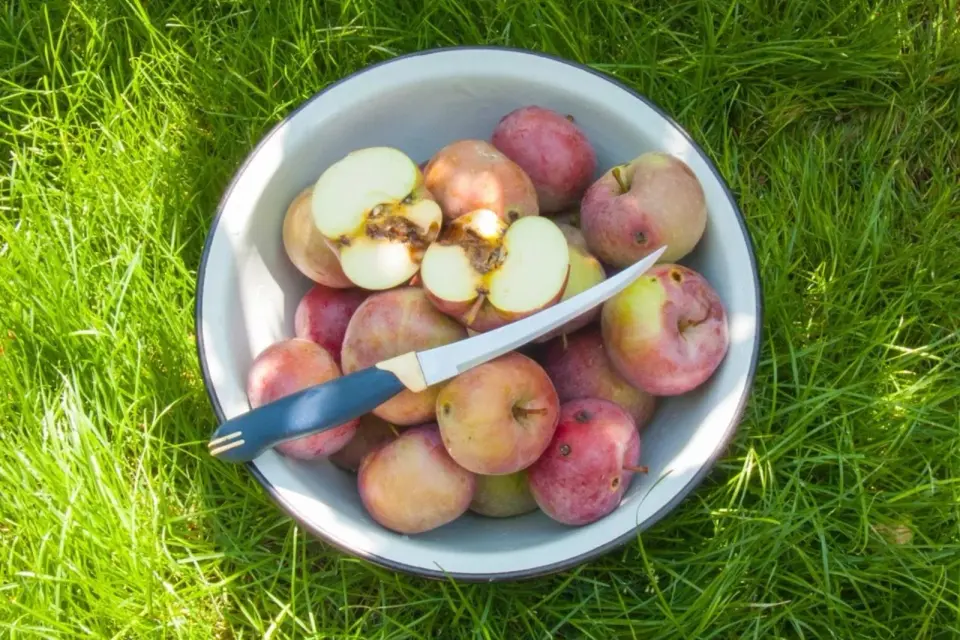
Bird lovers recommend slicing apples and placing them on low platforms in winter to attract fruit-eating species that ignore standard seed feeders. This method provides accessible nutrition for robins, thrushes, and bluebirds when natural food sources are scarce, requiring careful hygiene and placement to ensure safety.
Key points
- Sliced apples attract fruit-preferring birds like robins, thrushes, and waxwings that often ignore sunflower seed or suet feeders.
- Slicing exposes moist flesh and thin edges, making the fruit easier for birds to grip and peck compared to a whole apple with taut skin.
- Placing food low on the ground or on a shallow platform accommodates birds that avoid swinging tube feeders and prefer foraging near the ground.
- Hygiene is critical; plates must be washed in hot, soapy water, and leftovers removed by dusk to prevent mold, bacteria, and rodent attraction.
- Consistency is key; placing food in the same spot for several mornings helps birds recognize the location as safe and reliable.
Background
As winter approaches, birds face challenges in finding food due to snow and ice covering natural sources. Previous coverage highlighted that providing unfrozen water and high-energy foods like suet is vital for survival, particularly for small species like chickadees. While seeds and suet are common, fruit offers a different nutritional profile for specific species, complementing the standard winter feeding strategy.
Why it matters
Offering sliced apples diversifies the food available in backyards, supporting a wider range of bird species that might otherwise struggle to find sufficient nutrition. This practice can help maintain local bird populations through the cold months by providing an accessible, high-energy food source that mimics natural fruit availability.
What to watch
Bird watchers should monitor their feeding stations for mold or signs of illness and adjust their offerings accordingly. As winter progresses, they may need to provide fresh servings during the warmest part of the day if slices freeze solid. Long-term, planting native berry-producing shrubs can provide a more sustainable food source for birds.
Want the full story? Read the original reporting
Read on TheCoolist