
Pleistocene Giant Megapode Unearthed in Flores Cave Linked to Homo floresiensis
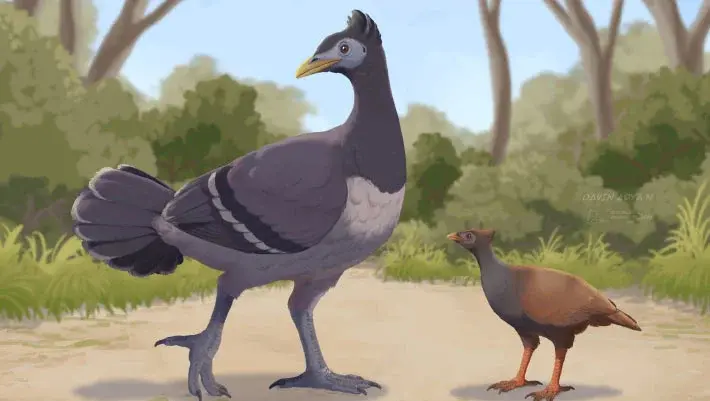
Researchers have identified a new extinct bird species, Megapodius rokusi, from a leg bone fragment found in Liang Bua cave on Flores, Indonesia. Weighing approximately 3.9 kg, this ancient megapode was significantly larger than the current orange-footed megapode, which ranges from 0.5 to 1.2 kg. The fossil dates to between 190,000 and 120,000 years ago, coinciding with the presence of Homo floresiensis. This discovery marks the first fossil megapode described from the Wallacea region and the first species named after an Indonesian researcher, honoring zooarchaeologist Rokus Due Awe. The study suggests the large bird may have gone extinct before the smaller species arrived, though its flight capability remains unknown due to the absence of wing bones.
Key points
- The new species, Megapodius rokusi, was identified from a single lower leg bone fragment excavated in 2009 at Liang Bua cave.
- The fossil dates to approximately 190,000 to 120,000 years ago, placing it in the Pleistocene epoch.
- Megapodius rokusi weighed about 3.9 kg, making it several times heavier than the living orange-footed megapode on Flores.
- The species is the first fossil megapode described from Wallacea, the island region between mainland Asia and Australia.
- The name honors Rokus Due Awe, an Indonesian zooarchaeologist who was instrumental in identifying early hominin remains at the site.
- Researchers cannot determine if the bird could fly because no shoulder or wing bones were recovered.
Background
This discovery adds to the growing body of evidence regarding the biodiversity of Flores during the Pleistocene. The cave where the bone was found, Liang Bua, is also known for the discovery of Homo floresiensis, a small-bodied human relative. The presence of large, nutritious megapode eggs, which make up 50-60% of the egg weight, suggests these birds were a significant food source for both Homo floresiensis and later modern humans. The distribution of megapodes is limited to regions east of Wallace’s line, a pattern attributed to historical factors such as ancient relic distributions, competition, and predation pressures in mainland Asia and the Greater Sunda Islands.
Why it matters
The identification of Megapodius rokusi provides critical insights into the prehistoric ecosystem of Flores and the interactions between early humans and local fauna. By confirming the presence of a large, ground-dwelling bird during the time of Homo floresiensis, the study highlights the potential role of megapode eggs as a reliable nutrient source for early human populations. Furthermore, this discovery expands the known fossil record of megapodes in the Wallacea region, helping to clarify the evolutionary history and distribution patterns of this bird group across Southeast Asia and Oceania.
What to watch
Researchers will continue to investigate the fossil record of Flores to determine the exact timeline of extinction for Megapodius rokusi and whether it coexisted with the smaller orange-footed megapode. Further excavations may yield additional bones, particularly wing or shoulder fragments, which could clarify whether the species was capable of flight. Additionally, studies may explore the dietary habits of Homo floresiensis to assess the extent to which megapode eggs contributed to their nutrition.
Want the full story? Read the original reporting
Read on Sci.News