
Matt Suess: Why Landscape Photographers Should Stay for the Full Day
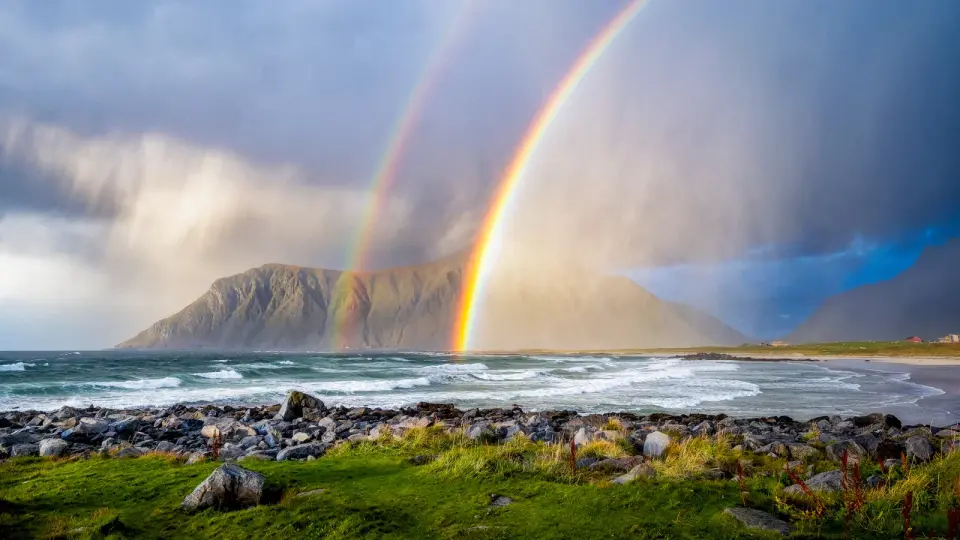
OM SYSTEM ambassador Matt Suess argues that landscape photographers should spend an entire day in a single location to capture light conditions beyond sunrise and sunset. He recommends choosing variable weather over clear skies to ensure dynamic lighting at midday. Suess emphasizes safety, carrying minimal gear like a single zoom lens, and using in-body stabilization to shoot handheld. He advises using a wide-to-tight sequence at sunrise and exploring astrophotography or light painting after dark. The goal is to expand technical range and creative vision, not just to produce a perfect image.
Key points
- Suess recommends staying in one location from before sunrise until after dark to experience all light conditions.
- Variable weather with clouds is preferred over clear skies to provide changing light at midday.
- Safety is prioritized over gear; Suess carries a satellite communicator and bear spray.
- A single 12-100mm lens is recommended for its versatility across wide and telephoto shots.
- Sunrise is best captured using a wide-to-tight sequence to tell a visual story.
- Midday is used for close-ups, shade pockets, or experimental ART modes.
Background
This advice follows broader discussions on optimizing daily routines for health and performance, such as recent studies on sleep duration and aging. While those studies focus on biological rhythms, Suess’s approach applies similar principles of consistency and environmental adaptation to artistic practice. The focus on full-day engagement contrasts with the typical 'golden hour' focus of most photographers.
Why it matters
This strategy challenges the conventional wisdom that only dawn and dusk are worth photographing. By committing to a full day, photographers can develop a deeper understanding of light transitions and improve their adaptability to changing conditions. It also highlights the importance of safety and minimalism in fieldwork, reducing the burden of carrying excessive gear while maximizing creative output.
What to watch
Photographers interested in this method can start by selecting a local park or national park with variable weather forecasts. They should plan to stay from pre-dawn to late night, focusing on composition and light rather than just waiting for the sun. Suess suggests using apps like PhotoPills for timing and WeatherMate for cloud cover. Future workshops led by Suess may expand on these techniques, and OM SYSTEM may continue to feature similar content in their documentary series.
Want the full story? Read the original reporting
Read on PetaPixel