
Ancient Skeleton Found at Mexico Airport Dated to Late Ice Age
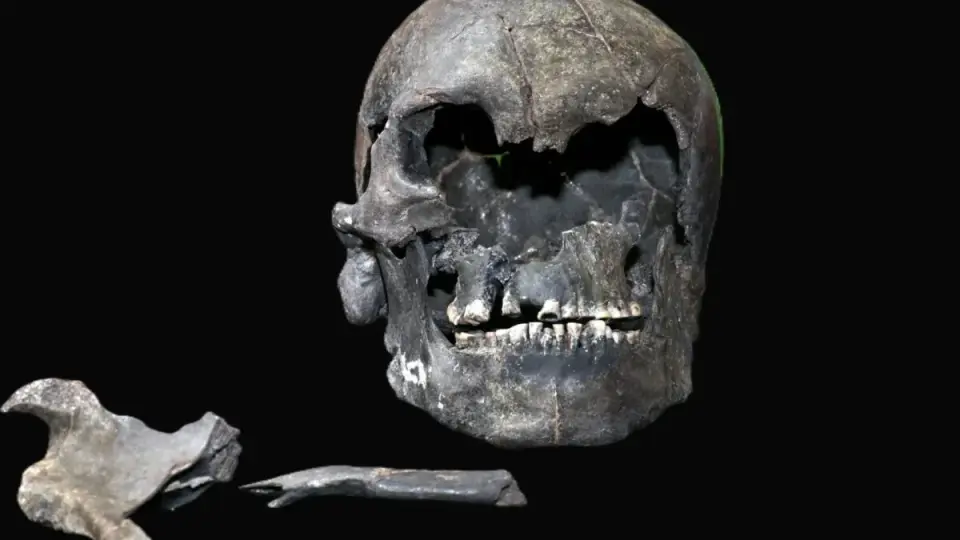
A nearly complete human skeleton discovered during the construction of Mexico’s Felipe Ángeles International Airport has been dated to between 11,700 and 13,087 years ago. Known as 'Yotzin,' the remains of an adult male represent some of the oldest human evidence found in the Valley of Mexico, offering critical insights into early human migration and lifestyle during the transition from the Pleistocene to the Holocene.
Key points
- The skeleton, named 'Yotzin' (meaning 'unique' in Nahuatl), was unearthed in 2021 during construction for the Felipe Ángeles International Airport in Mexico.
- Two independent radiocarbon analyses placed the individual’s age between 13,087 and 11,700 years ago, situating him at the end of the last glacial period.
- The remains are approximately 80% complete, including a partial skull, and belong to an adult male estimated to be between 25 and 30 years old at the time of death.
- Physical analysis indicates the individual was roughly 175 centimeters tall, with heavy tooth wear but no cavities, suggesting a diet lacking refined sugars.
- Genomic analysis is expected to be completed by the first quarter of 2027 to determine lineage and migration patterns.
Background
This discovery follows a broader trend of significant archaeological finds in 2026, such as the Bronze Age kidney stone found in Russia and the ancient shipwreck off Turkey, which have similarly challenged existing historical timelines. The Yotzin find specifically addresses a gap in evidence regarding early human presence in the Americas, a period previously marked by limited physical remains.
Why it matters
The Yotzin skeleton provides rare, direct physical evidence of human life in the Americas during the late Pleistocene, a period with scant archaeological record. By confirming the presence of humans in the Valley of Mexico over 11,000 years ago, the find helps reconstruct migration routes and population dynamics. Future genomic data may further clarify ancestral connections, potentially reshaping understanding of how early populations moved across the continent.
What to watch
Researchers are awaiting genomic results, expected by early 2027, to analyze the lineage of the Yotzin individual. This data will help determine genetic connections to other ancient populations and shed light on human migration patterns in the Americas. Ongoing studies will also examine the distinct osteological traits of the remains to understand how different populations inhabited the region over time.
Want the full story? Read the original reporting
Read on Gizmodo