
Australia's Feral Camels: The World's Last Disease-Free Breeding Stock
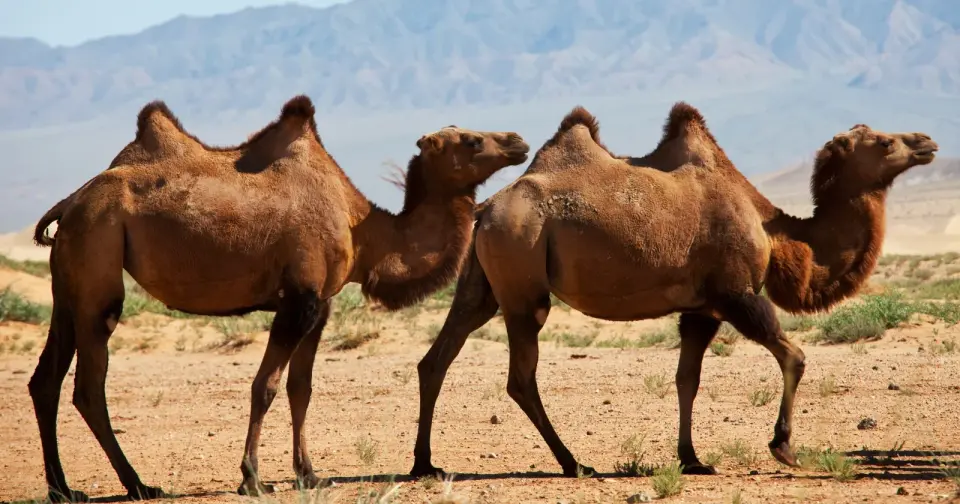
Australia’s feral camel population, estimated between 300,000 and one million, offers Gulf nations a rare opportunity to acquire disease-free breeding stock. While these animals are considered pests domestically, their isolation from Middle East respiratory syndrome (MERS) makes them highly valuable, though logistical costs keep the trade niche.
Key points
- Australia hosts the world's largest wild dromedary herd, with numbers fluctuating between 300,000 and one million due to culling efforts and natural breeding rates.
- The animals are free from MERS, a coronavirus prevalent in Middle Eastern herds, because they have been isolated from imported stock since 1907.
- Gulf buyers seek these camels for breeding, but high logistics costs, ranging from US$1,000 to US$1,500 per animal, limit trade volume to approximately 150 animals annually.
- Domestically, the camels are managed as pests through helicopter culling, as they damage fences, foul waterholes, and consume over 80% of available plant species.
- Despite the genetic value, the trade remains small, with only 68 whole camels exported to Southeast Asia by August 2026, and no major deals secured from Middle Eastern breeders.
Background
This story follows earlier coverage of regional tensions in the Middle East, where Gulf states have been engaged in diplomatic and military standoffs with Iran. While those conflicts focus on geopolitical and economic sanctions, the camel trade highlights a different, quieter interaction between Australia and the Gulf, driven by agricultural and biological needs rather than political disputes.
Why it matters
The situation highlights a paradox in wildlife management: a population viewed as a destructive pest in Australia represents a critical genetic asset for the global camel industry. The inability to monetize this asset due to high logistics costs underscores the challenges of balancing conservation, economic viability, and public health in international trade.
What to watch
Australian authorities will likely continue helicopter culling to manage the feral population, while researchers may persist in outreach to Middle Eastern breeders. The trade is expected to remain small-scale unless logistics costs decrease or new markets emerge for camel meat and milk.
Want the full story? Read the original reporting
Read on Space Daily