
Utah’s 70-Year Aerial Fish Stocking Program Relies on Tiny Fingerlings to Survive Plane Dumps
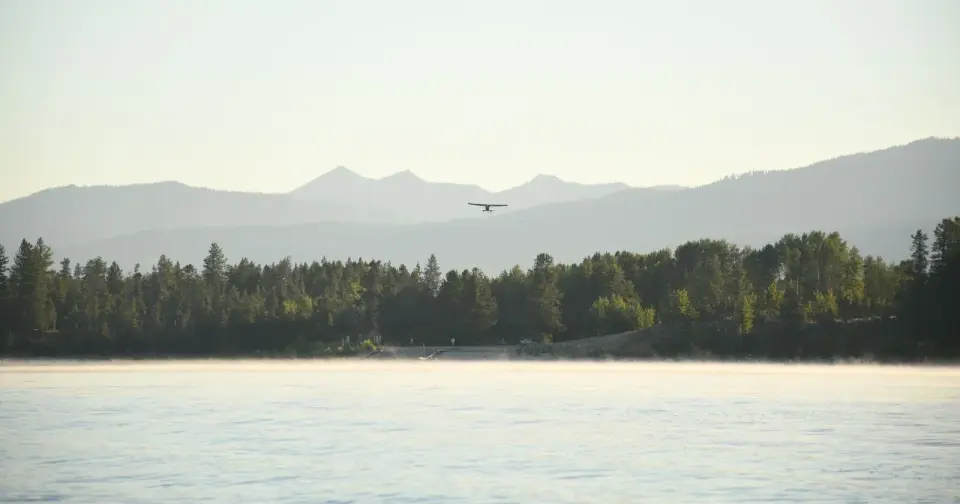
Utah has used small aircraft to stock over 300 remote mountain lakes with fish annually since 1956. The method involves dropping 1-3 inch fingerlings from a Cessna plane into water, relying on their small size to survive the fall. This approach replaces earlier, less efficient methods like horseback transport and ensures recreational fishing access in areas without road access.
Key points
- Utah Division of Wildlife Resources stocks more than 300 high-elevation lakes annually using aerial drops, a practice dating back to 1956.
- A single Cessna flight carries a tank divided into seven chambers, allowing the plane to stock seven different lakes in one loop without landing.
- Fish are released from 50 to 150 feet above the water; their small size (1-3 inches) allows air resistance to slow their fall, ensuring survival.
- The program addresses the challenge of stocking lakes inaccessible by vehicle, replacing earlier methods that involved carrying fish in milk cans on horseback.
- Stocking is necessary because many alpine lakes lack natural fish populations due to steep outlets and long winters, making them unsuitable for self-sustaining breeding.
Background
This practice has been a staple of Utah wildlife management for decades, evolving from early 20th-century horseback transport to modern aerial methods. While our archive covers unrelated topics like the Great Salt Lake meteorite and presidential security, this story highlights a long-standing logistical solution for remote conservation and recreation in Utah's mountainous terrain.
Why it matters
The aerial stocking program demonstrates a practical, low-impact solution for maintaining recreational fishing opportunities in remote, roadless areas. It highlights how biological constraints (fish size) can be leveraged to overcome logistical barriers (lack of road access), ensuring that hundreds of isolated lakes remain viable for anglers despite their inability to support natural fish populations.
What to watch
The program is expected to continue as a standard practice for Utah's Division of Wildlife Resources, with no indication of changes to the method or the number of lakes stocked. The reliance on fingerlings and small aircraft remains the core strategy for managing remote alpine fisheries.
Want the full story? Read the original reporting
Read on spacedaily.com