
Wildlife Researcher Survives Alligator Ambush in Everglades by Using Camera as Shield
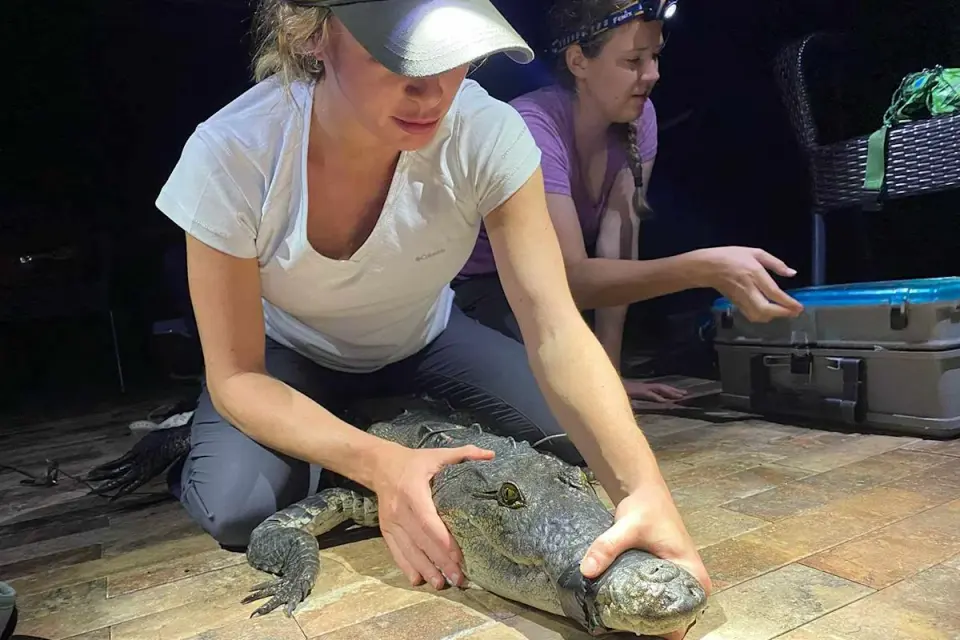
Rosie Moore, a 30-year-old wildlife researcher, narrowly escaped a fatal alligator attack during a night swim in the Everglades. While filming one alligator, she failed to notice a second one approaching from behind. She reacted by swinging her camera between herself and the animal, which bit the equipment instead of her. The alligator dropped the camera upon realizing it was not food, allowing Moore to escape to the bank. The incident left her traumatized for two months but she has since returned to her fieldwork.
Key points
- Rosie Moore is a wildlife researcher who works for the International SeaKeepers Society and runs a nonprofit for reptile research.
- The incident occurred during a night swim in the Everglades, where Moore was filming an alligator but did not realize others were nearby.
- Moore used her camera as a shield when a second alligator lunged at her, causing the animal to bite the equipment instead of her.
- The alligator dropped the camera after realizing it was not food, allowing Moore to escape to the bank.
- Moore experienced two months of trauma after the incident but returned to her career, which involves extreme marine expeditions and tagging dangerous wildlife.
Background
This incident highlights the inherent risks faced by wildlife researchers who work closely with dangerous species. Moore’s background includes encounters with sharks, crocodiles, and pythons, and she advocates for understanding animal behavior to mitigate risks. Her work with the International SeaKeepers Society involves locating rare species and tagging dangerous wildlife, often in extreme conditions.
Why it matters
This event underscores the critical importance of situational awareness and quick decision-making in high-risk environments. It also illustrates the psychological toll such encounters can have on professionals, yet highlights their resilience and commitment to their work. Moore’s experience serves as a reminder of the dangers involved in wildlife research and the necessity of safety protocols.
What to watch
Moore has resumed her fieldwork despite the trauma, indicating her continued dedication to wildlife research. There is no indication of new safety protocols or changes in her work, but her experience may influence how similar expeditions are conducted in the future.
Want the full story? Read the original reporting
Read on Yahoo Lifestyle Canada