
Jelly Bean and Rubber Ducky Isopods Gain Popularity as Exotic Pets
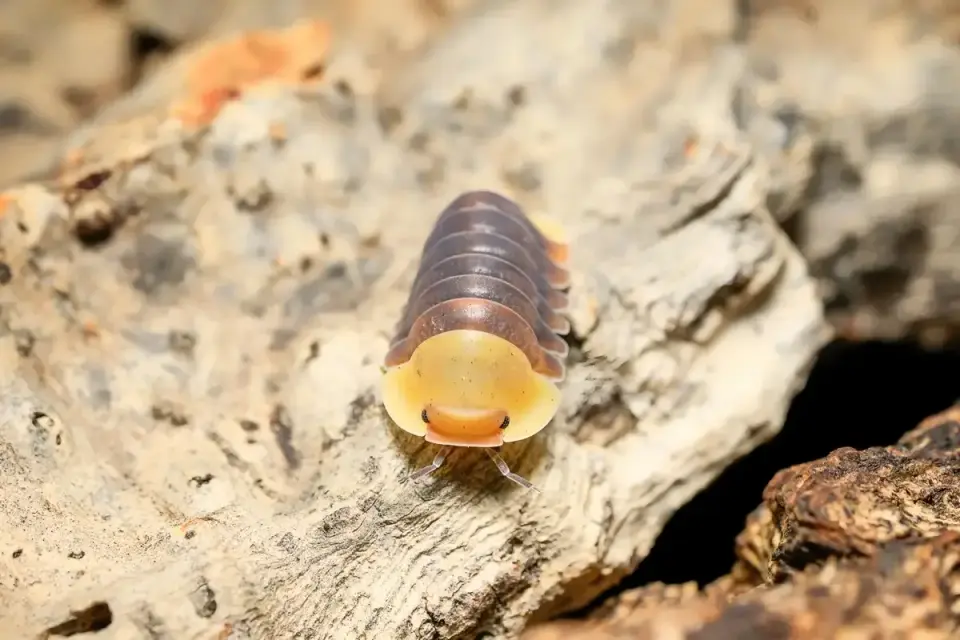
Jelly bean isopods, a rare color variety originating from Saint Lucia, and rubber ducky isopods from Thailand are emerging as popular pets among crustacean enthusiasts. Jelly beans come in various hues like orange and gold, while rubber duckies feature yellow markings resembling a duck. These creatures are sold for approximately $10 each on platforms like MorphMarket, with new breeds such as the 'blonde rubber ducky' emerging from selective breeding. Isopods, which predate dinosaurs, include over 10,000 species ranging from 0.3 millimeters to 20 inches in length. They are crustaceans, not insects, and possess unique biological traits, such as copper-based blood and the ability to excrete waste as ammonia gas. A notable deep-sea giant isopod in Japan survived without eating for five years, highlighting their resilience.
Key points
- Jelly bean isopods are a rare color variety from Saint Lucia, available in orange, gold, red, yellow, black, striped, and speckled patterns.
- Rubber ducky isopods, discovered in Thailand in 2017, have yellow faces and markings that resemble a rubber duck.
- Pet isopods are sold for around $10 each on marketplaces like MorphMarket, with new breeds like the 'blonde rubber ducky' and 'blue pigeon' emerging from breeding.
- Isopods are crustaceans, not insects, and have existed for over 325 million years, with fossils dating back to that period.
- There are over 10,000 known isopod species, with sizes ranging from 0.3 millimeters to 20 inches, including the deep-sea giant isopod.
- Land isopods excrete waste as ammonia gas and absorb water through grooves on their rear legs.
Background
Recent trends in pet care have seen owners investing in experimental longevity treatments and novel food sources, reflecting a broader interest in unconventional pet care and scientific innovation. While these trends focus on dogs and cats, the rise of exotic invertebrate pets like isopods indicates a growing niche market for unique and resilient creatures. The pet care market, valued at $165 billion, continues to expand into diverse and experimental areas, including the breeding and sale of rare crustacean varieties.
Why it matters
The popularity of jelly bean and rubber ducky isopods highlights a growing interest in exotic and resilient pets, reflecting broader trends in the pet care market. These creatures, with their unique biological traits and long evolutionary history, offer insights into crustacean biology and adaptation. The commercialization of these pets, including selective breeding and online sales, indicates a niche market for rare and visually distinct invertebrates, contributing to the diversification of the pet industry.
What to watch
The isopod pet market may continue to expand as breeders develop new varieties and colors, driven by consumer demand for unique and visually appealing pets. Further research into isopod biology, such as their ability to survive without food and their unique excretion methods, could provide insights into crustacean resilience and adaptation. The commercialization of these pets may also lead to increased awareness and conservation efforts for wild isopod populations, as the demand for rare varieties grows.
Want the full story? Read the original reporting
Read on Boing Boing