
Enhancing Astronaut Eyesight for Extended Space Missions
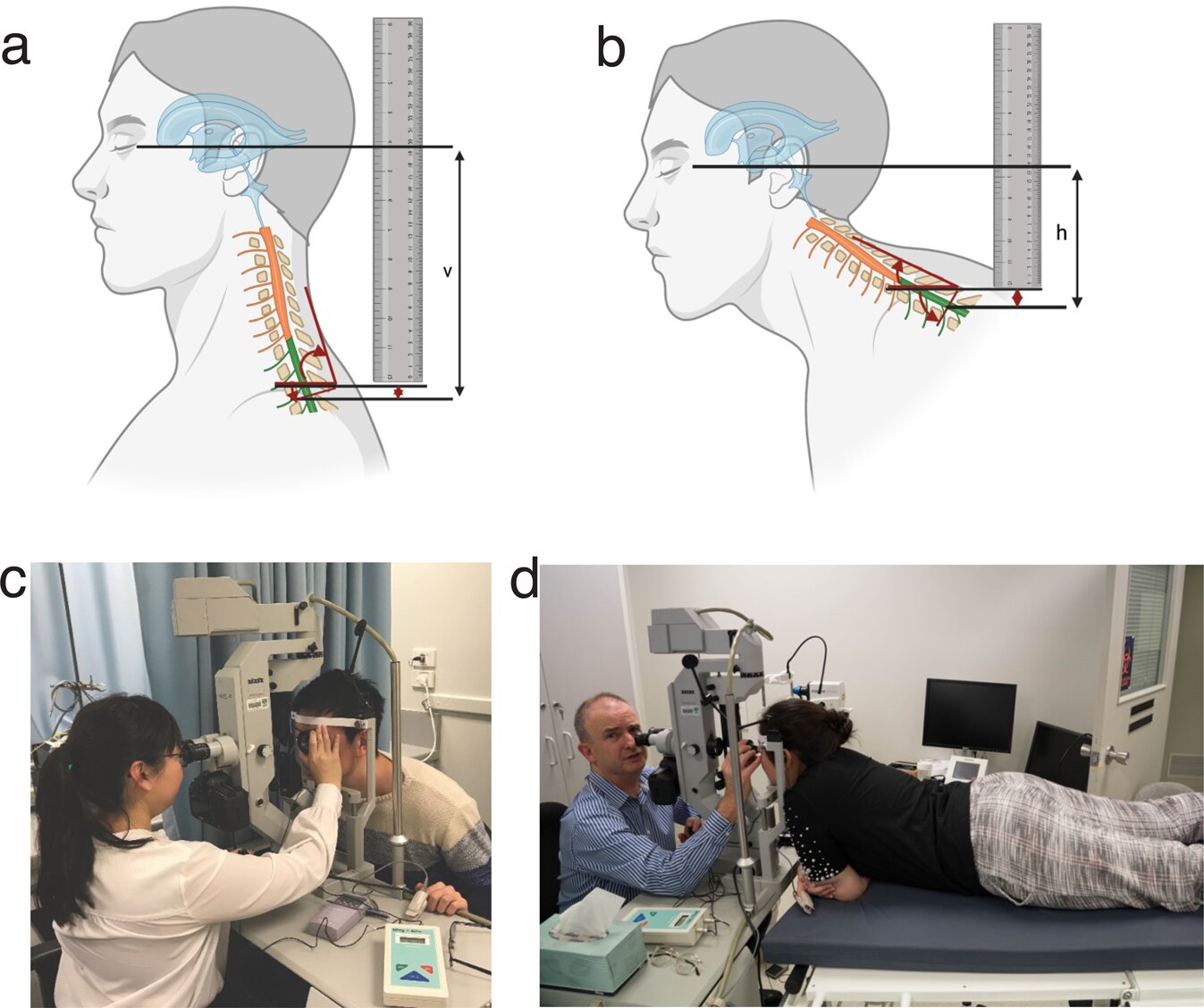
Researchers from the Lions Eye Institute and the International Space Center at The University of Western Australia have developed a non-invasive method to measure brain fluid pressure in humans, which may reduce vision damage experienced by astronauts on long-haul space flights. The method involves using a special eye camera to measure tiny pulsation changes while subjects are put into different positions on a tilt-table, mimicking the effects of variable gravity on the cerebrospinal fluid pressure. The findings provide a basis for the use of a handheld portable non-invasive device in microgravity conditions that can monitor intracranial pressure, ultimately improving astronaut health in long-haul flights.
Reading Insights
0
11
3 min
vs 4 min read
83%
615 → 104 words
Want the full story? Read the original article
Read on Phys.org