
Lead Ink Illuminates Herculaneum Scrolls for AI Reading
TL;DR
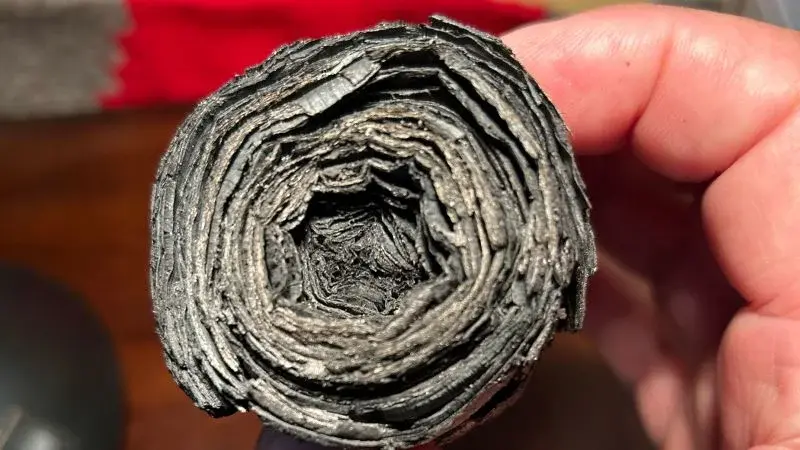
Researchers recreated carbonized Herculaneum scrolls using inks with varying lead content and found that X-ray imaging can detect leaded ink more readily than nonmetal ink, enabling AI to read the hidden text. The team scanned replicas with X-ray tomography at the National Institute of Standards and Technology and showed that lead provides a strong signal to identify readable passages, potentially helping prioritize real scrolls for noninvasive unrolling among the 600+ unopened scrolls in Naples, advancing decipherment efforts tied to the Vesuvius Challenge.
Topics:science#artificial-intelligence#herculaneum-scrolls#lead-ink#science#vesuvius-challenge#x-ray-imaging
- How lead-based ink may reveal hidden text on scorched Herculaneum scrolls CNN
- Scientists burn their own scrolls to help read 2,000-year-old Herculaneum papyri Archaeology News Online Magazine
- Mount Vesuvius Buried These Scrolls for 2,000 Years – Now Scientists May Read Them SciTechDaily
- To read 2,000-year-old burned scrolls, scientists burn their own University of California, Berkeley
- A Volcano Toasted This Scroll 2,000 Years Ago. Here's How Scientists Read It Without Ever Opening It Gizmodo
Want the full story? Read the original reporting
Read on CNN