
Paddles, Proteins, and the Dawn of Photosynthesis
TL;DR
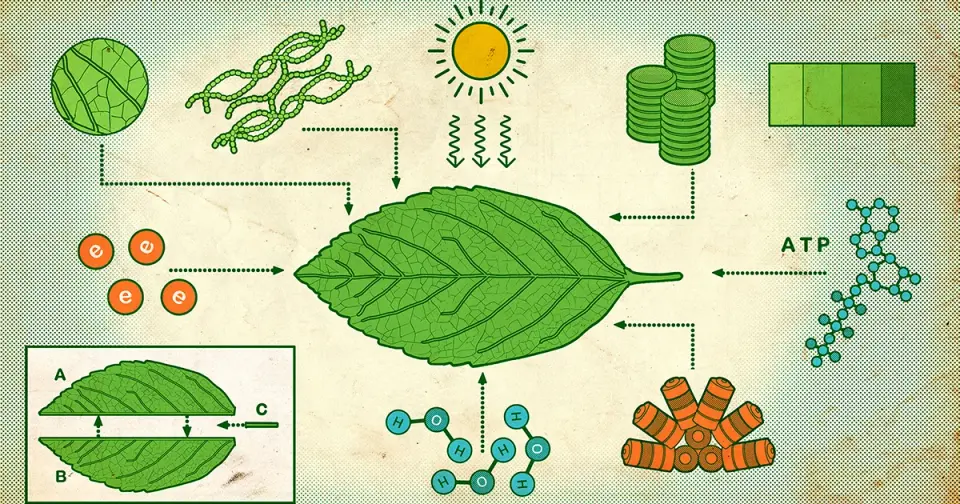
Researchers study ancient cyanobacteria, especially Gloeobacteria such as Anthocerotibacter panamensis, to glimpse how oxygen-producing photosynthesis evolved. A. panamensis has a paddle-shaped antenna and lacks thylakoids, while its photosystem core remains highly conserved, suggesting core machinery persisted while light-harvesting structures diversified; finding more early-branching species could reveal whether oxygenic photosynthesis arose once or multiple times and which photosystem came first.
An Early Step on the Long, Strange Road to Photosynthesis Quanta Magazine
Want the full story? Read the original reporting
Read on Quanta Magazine